Predator control for everyone in Te Karamū.
Towards Predator Free Karamū
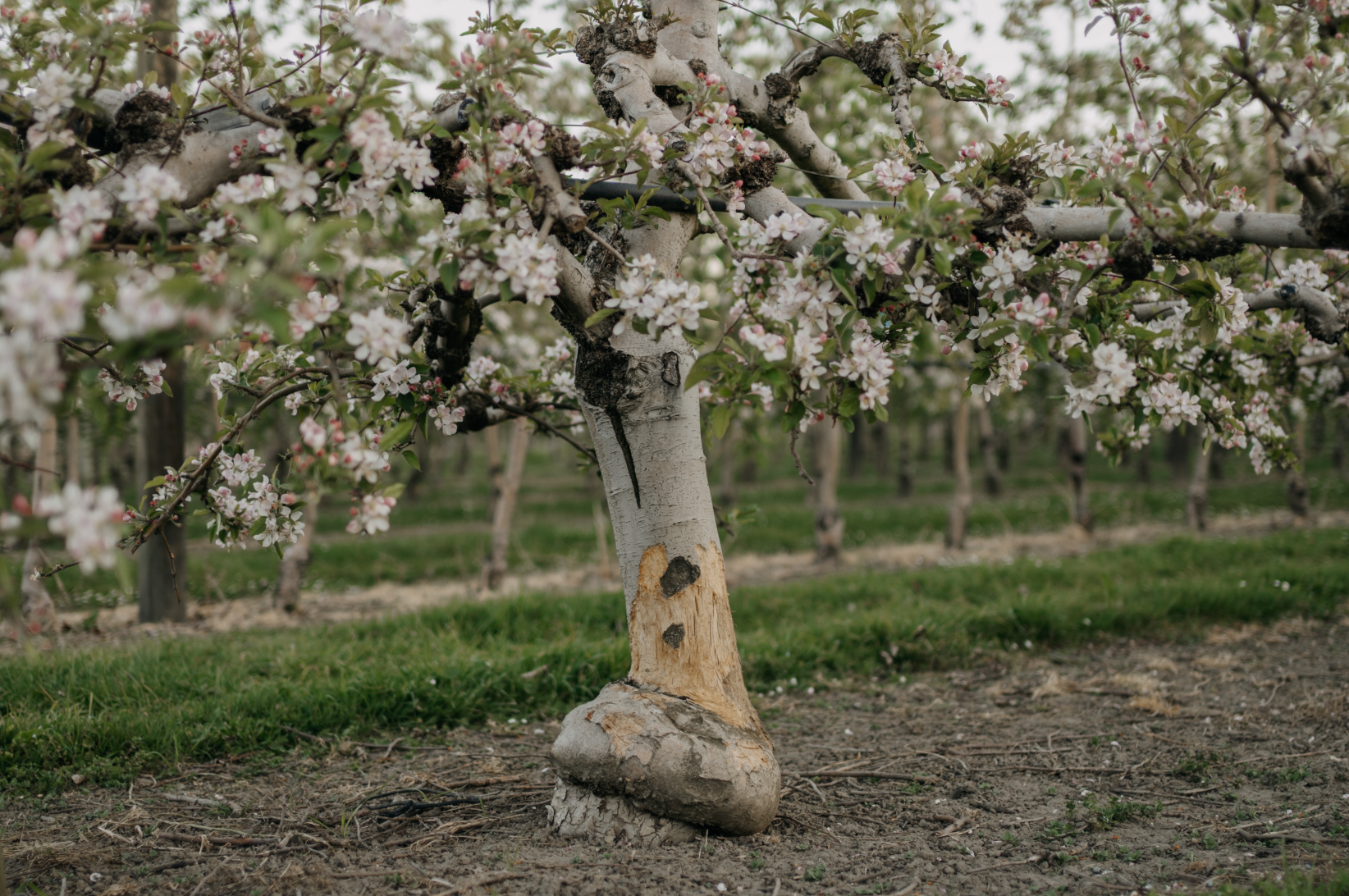
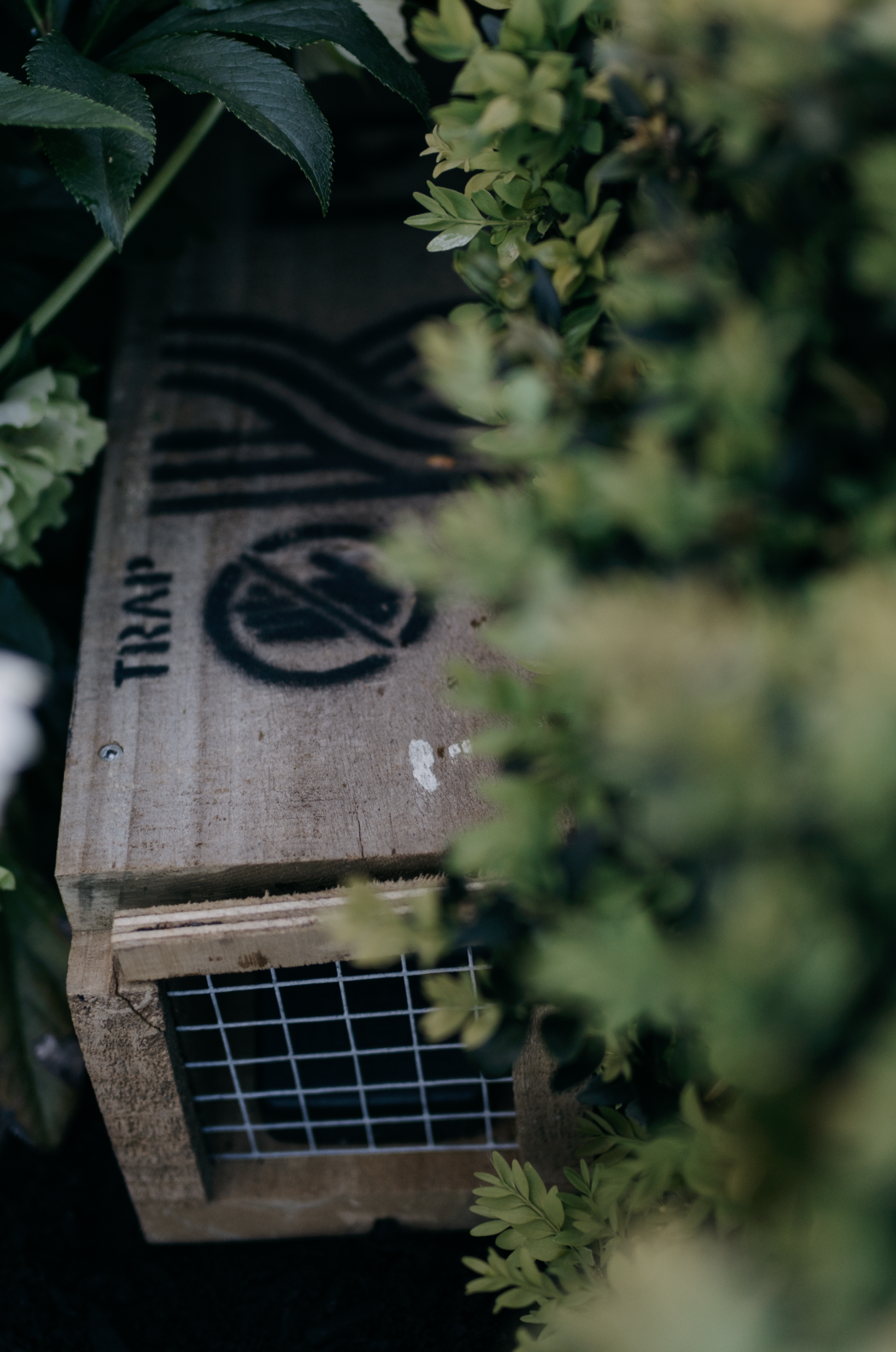
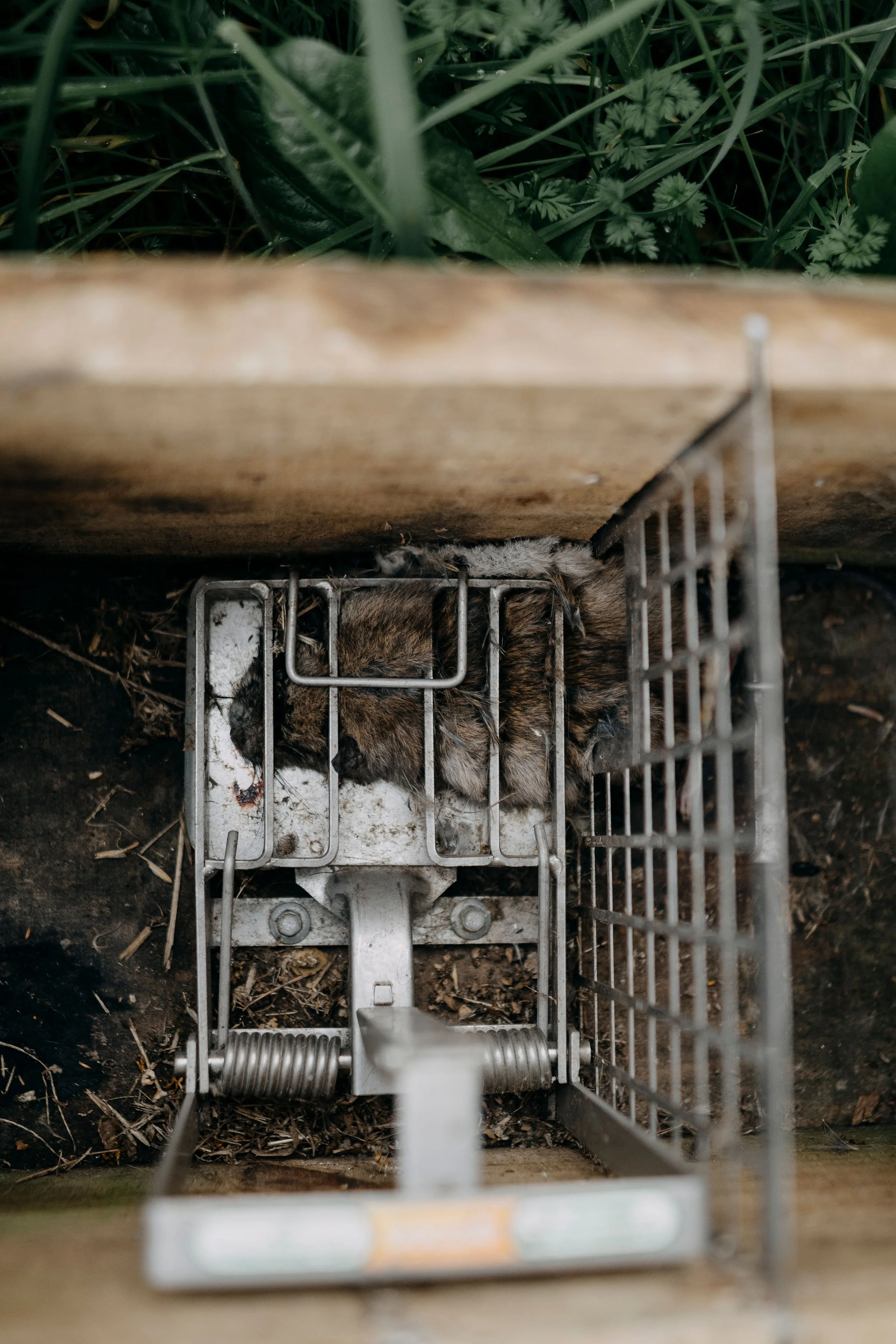
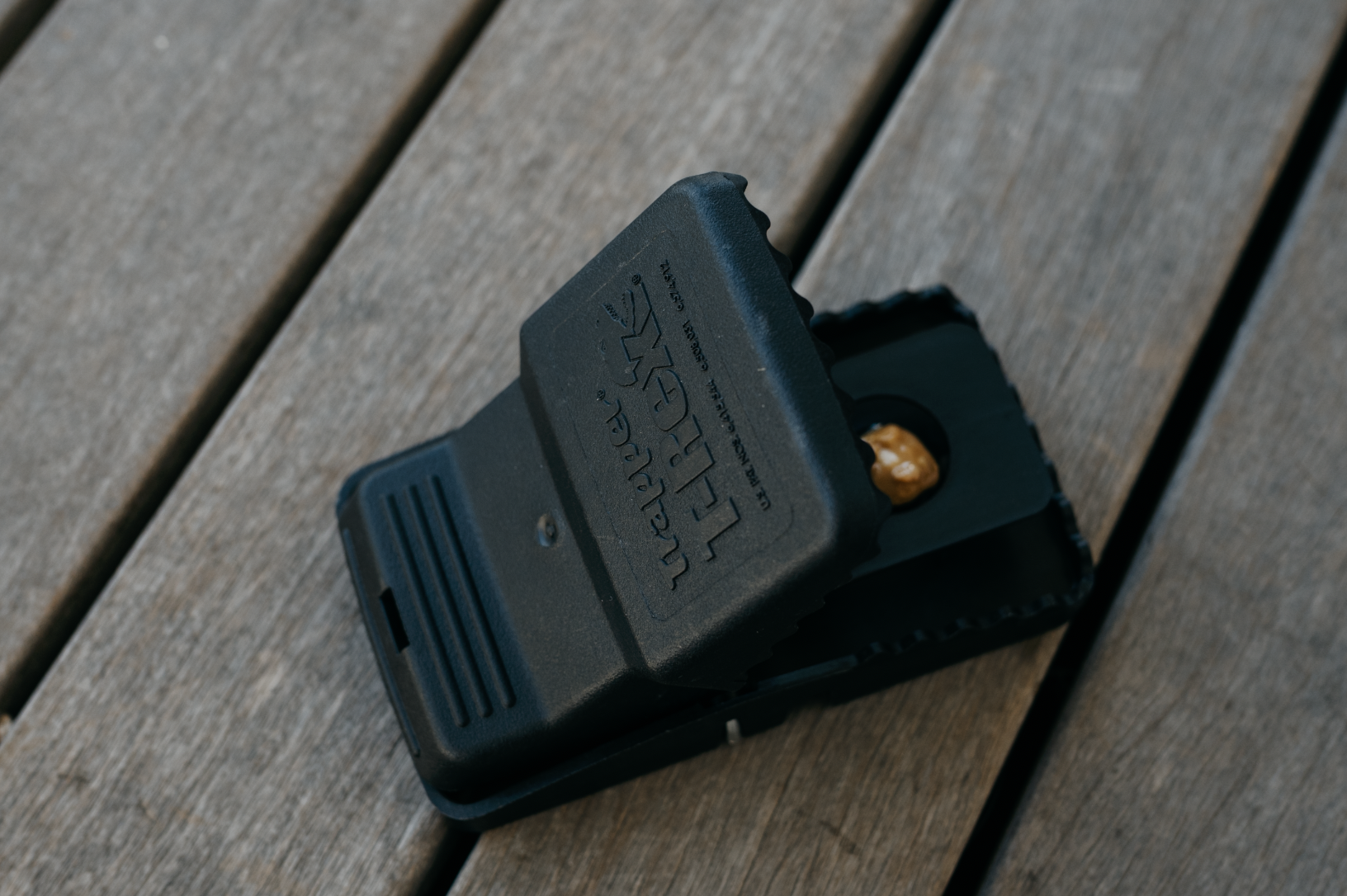
We bring neighbours, landowners, schools and businesses together to remove introduced predators, so nature can thrive.
What we do for a predator free Karamū
We bring people together to protect native species by reducing rats, stoats, ferrets, possums and other introduced predators across our catchment.
We connect landowners, community groups, schools, businesses and mana whenua so that trapping efforts link up rather than stand alone. Predators don't stop at property boundaries, so we help neighbours coordinate their efforts across fences, streams and paddocks. We support trap lines, hire equipment, provide resources, host training events, and help people record what they catch, so we can see what's working and where to focus next.
Our role is to see where the connections are, bring the right people together and help turn a good idea into something that can happen on the ground.
Hire a trap
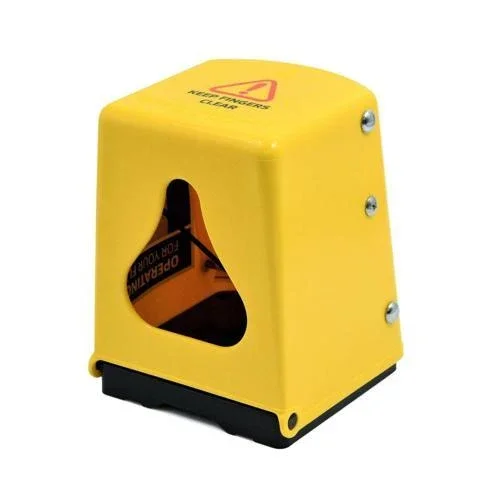
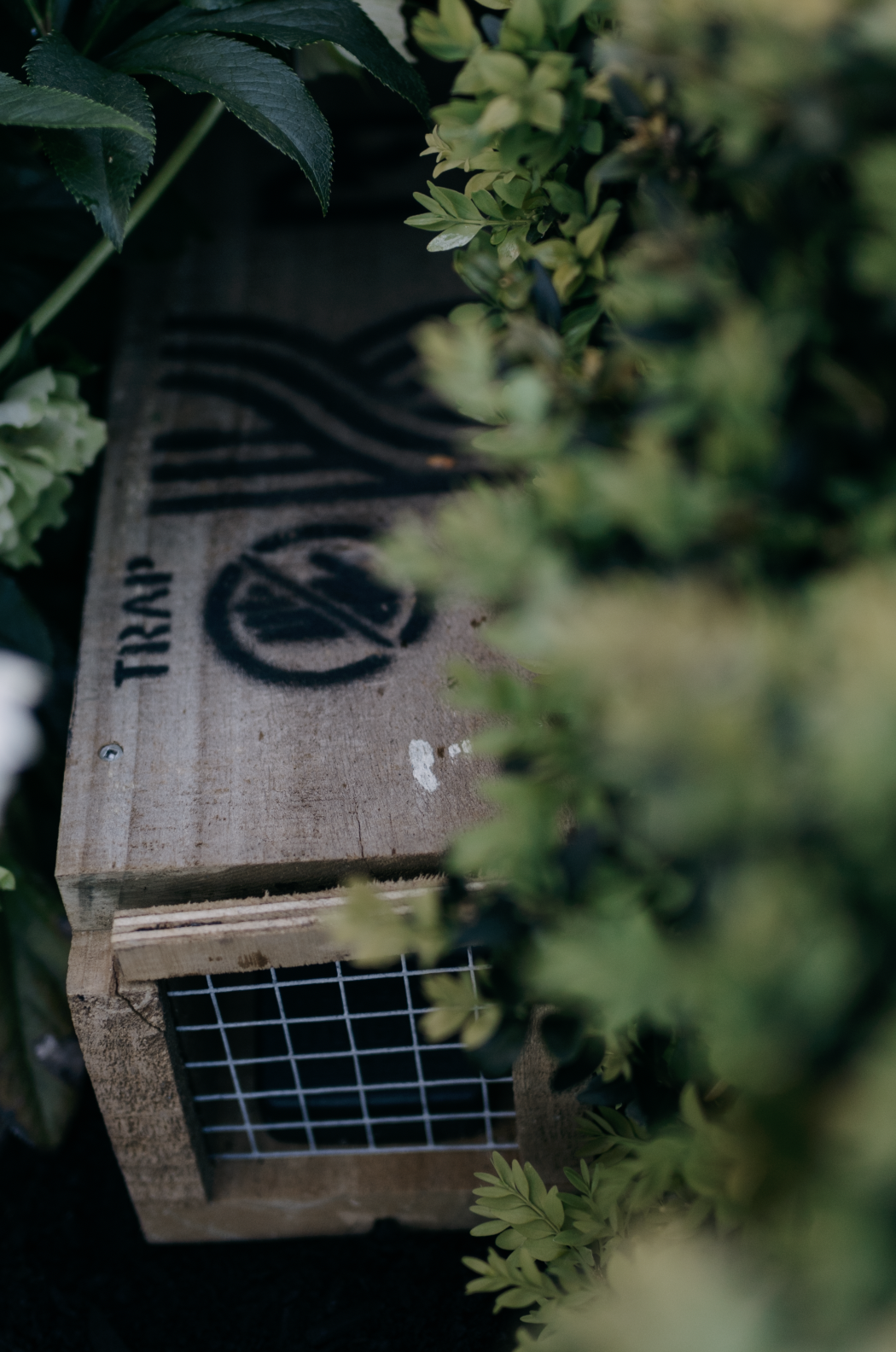
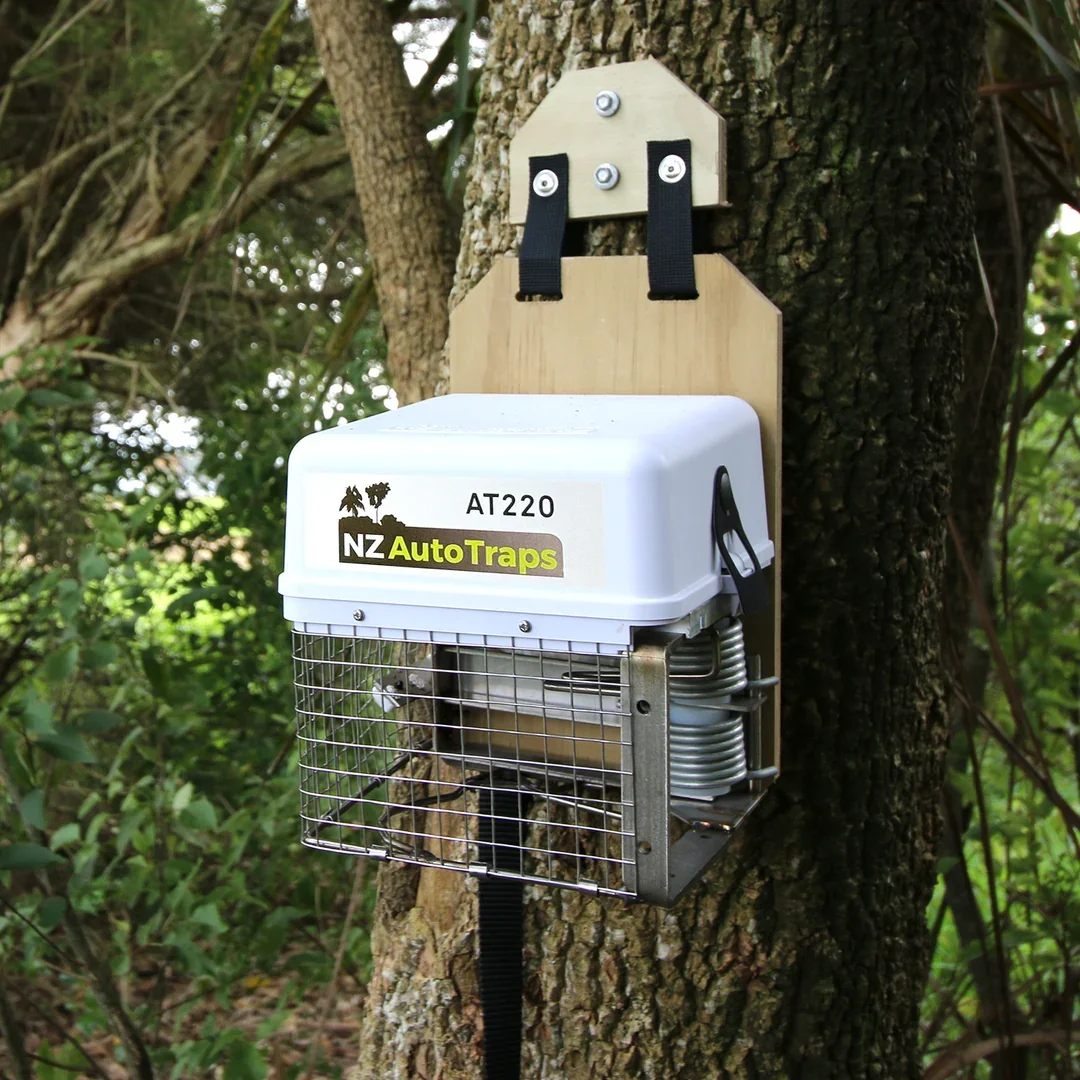
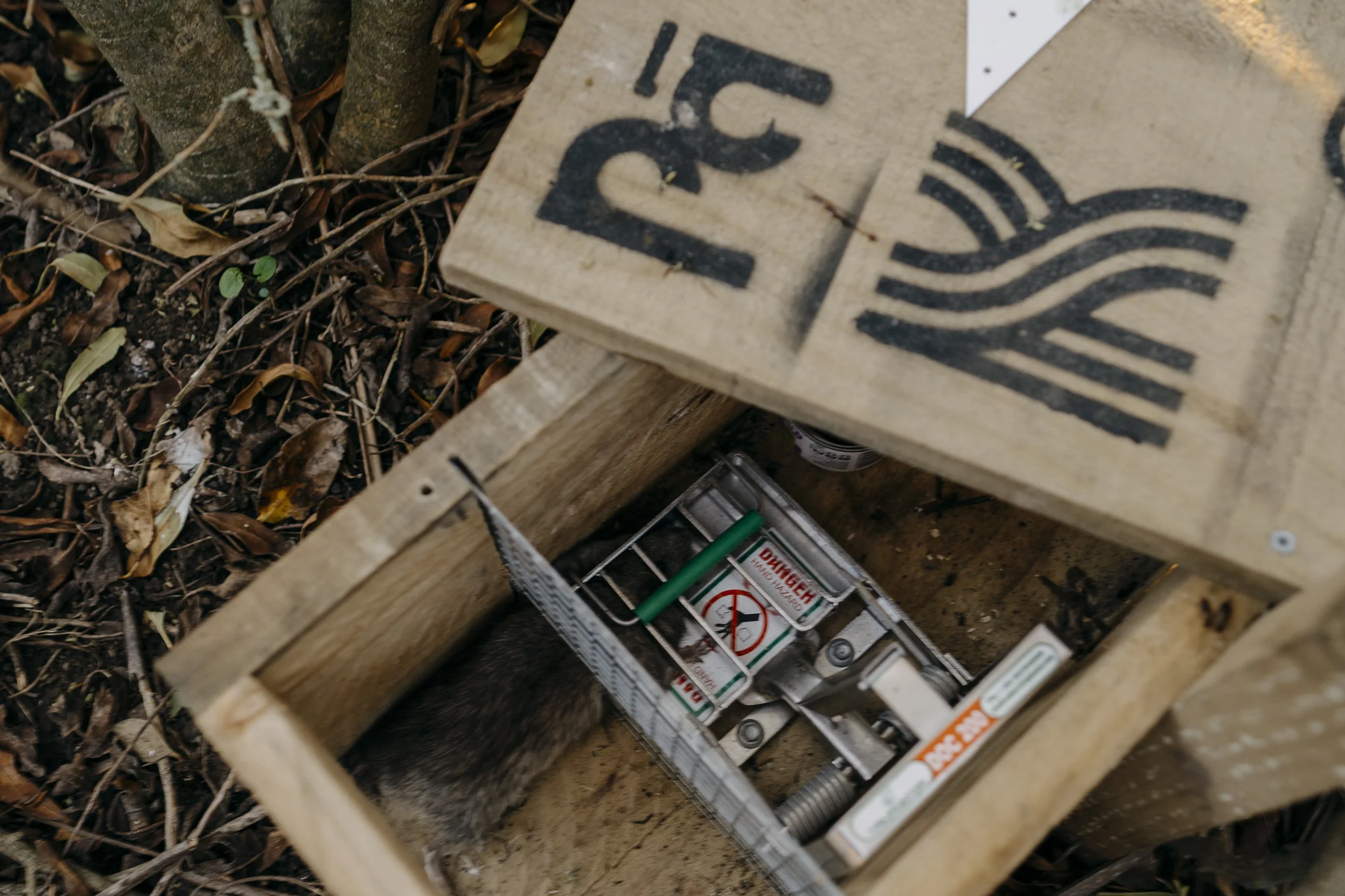
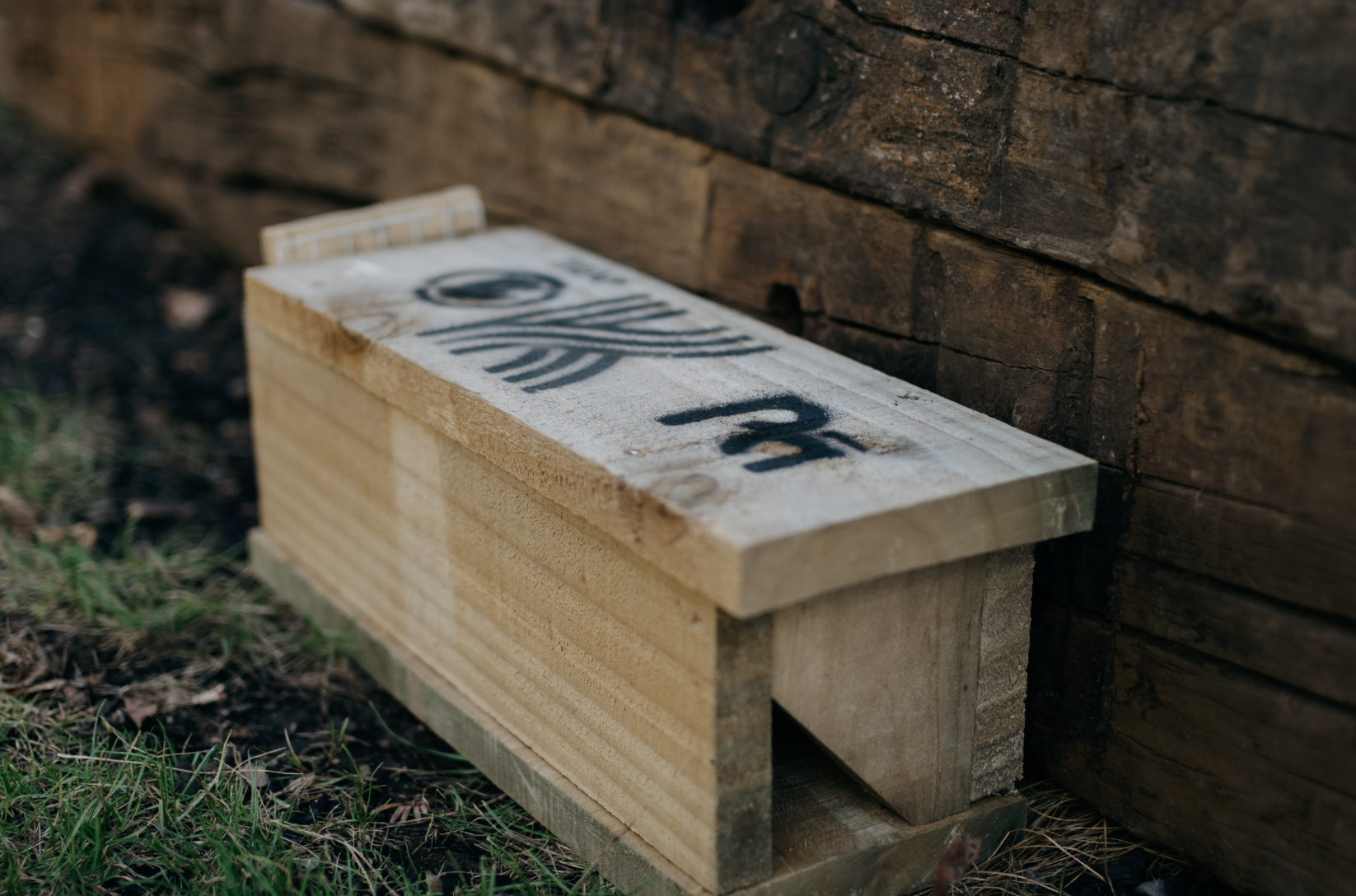
Whether you're a first-timer with a few rats in the woodshed or a seasoned trapper chasing stoats along a waterway, we have a trap for you. Our five traps cover everything from possums in the shelterbelt to feral cats on the prowl. Every one is free to borrow and comes with Predator Free NZ how-to videos and setup tips, so you can start with confidence.
Support available to you
-
Borrow from the trap library
Borrow traps, bait stations and tools from our trap library, so you can get started without buying everything up front. We'll help you choose the right gear for your site and the predators you're targeting.
-
Resources and how-to guides
Practical guides on health and safety trap placement, baiting, safe handling and recording your catches, written for people doing the work on real properties. If you can't find what you need, ask us and we'll point you to it.
-
Talk to a trusted specialist
We work with ecologists and pest control specialists who know the catchment and what works here. We'll connect you with the right person for your property, whether it's a farm, a lifestyle block or a school.
-
Help with funding applications
We know which funds are open, what they'll cover and what a strong application looks like. We'll help you write it, and we'll tell you honestly if your project isn't a fit for a particular fund.
-
Connecting you to neighbouring trap programmes
Predators don't stop at the fence, so neither should your efforts. We link you with trapping groups and landowners nearby, so you know your work is being matched next door and across the catchment. Together, that collective action protects far more than any one property can.
-
Support for community trapping programmes
Already running a trapping programme in your neighbourhood, school or reserve? We can help with lure, new volunteers, extra traps and other practical needs, so your group can keep going and grow. Contact pest@karamucollective.nz for more info
Have a chat.
Tell us what you're thinking about, or what's been bothering you on your property. Rats in the shed, possums in the orchard, or a trap line you'd like to start. No commitment, no cost.

How it works
We help you plan it.
We work out the right traps and lure for your site, connect you with a specialist if you need one, and link you with neighbouring trap programmes so your efforts join up. We'll also help you find funding that fits.
We help you do it.
Traps from the library, volunteers, lure, and ongoing support once your line is in. You're not left holding it alone.

Questions volunteers ask us
-
It's a community effort to reduce introduced predators like rats, stoats, ferrets and possums across the Karamū catchment, so native birds, lizards, insects and freshwater life can recover. We bring neighbours, landowners, schools, businesses and mana whenua together so that trapping efforts join up rather than stand alone.
-
Predators move across fences, streams and paddocks. A trap line on one property helps, but results are much stronger when nearby properties are working at the same time. We connect you with neighbouring trap programmes so you know your efforts are matched next door.
-
No. We can help you choose traps, set them up safely and learn what to check and when. If you'd like more guidance, we can connect you with a specialist we work with.
-
Membership is free, and means you can borrow from the trap library. To volunteer the cost is your time.
-
You can borrow traps, and tools without buying everything up front. Each trap has a loan period of 3 months which can be renewed pending availability.
-
Yes. We can help with lure, extra traps, new volunteers and connections to nearby groups. If you run a community trapping programme, we'd love to hear about it.
-
Yes. We know which funds are open, what they cover and what a strong application looks like. We'll help you write it, and we'll tell you honestly if your project isn't a fit for a particular fund.
-
Dispose of catches safely and hygienically, and to record them on TrapNZ or email details to pest@karamucollective.nz
-
Join our free membership or get in touch. Have a chat with us about your property or group, and we'll help you plan the next step.
Working together with






Hire a trap
Terms of Hire
Our Trap Library lends predator traps to the Te Karamū community so that cost is never the reason a trap doesn't go out. Because these traps are a shared resource, we ask everyone who borrows one to agree to the terms below. They're written to be short and fair, and if anything is unclear, email us at pest@karamucollective.nz. By hiring a trap, you agree to these terms.1. Who can borrowTraps are free to borrow for Karamū Collective members. Non-members can hire traps for a fee per trap for three months (email for the price list). Not a member yet? Joining is free.2. Booking and availabilityYour booking is a request, not a guaranteed reservation. Traps are limited, so our team will confirm what's available and arrange pick up. We may adjust the number or type of traps you receive to share stock fairly.3. Loan period and renewalsTraps are loaned for three months.You can ask to renew your loan if stock allows. We will let you know if we need the traps back for other borrowers.Please return your traps on or before the due date. If you can't, contact us beforehand.
4. Using the trapsThe traps belong to Karamū Collective. Use them for predator control at the property you gave us in your booking, and don't lend them to anyone else.Follow the setup instructions and safety guidance on our Trap Library page, including the Predator Free NZ resources linked there.Keep traps out of reach of children and pets wherever you can.Check and clear your traps at least once twice a month.
5. Live capture cat trapsLive capture traps need extra care.Check them every day they are set, within 12 hours after sunrise. This is a legal requirement.Treat any animal you catch humanely.If you catch a pet cat, release it unharmed.
6. Recording your catchesRecording catches is part of borrowing a trap. It shows us what's working and helps us direct effort to where it counts.Record your traps and catches using the Trap.NZ app, or email them to pest@karamucollective.nz, whichever you chose on your booking form.Please also record checks where you didn't catch anything.If you need help setting up, just ask, and we are happy to support you.If we don't receive records, we will ask you to return the traps early, or decline renewals and future loans.
7. Care, loss, theft and damagePlease take reasonable care of the traps and keep them secure. For ground traps in public spaces, get permission from HDC or HBRC and fix to the ground with the supplied stake and screws.Normal wear and tear from use is expected, and we cover that.If a trap is lost, stolen or damaged by misuse or neglect, please tell us as soon as you can. We will ask you to cover tthe cost of repair or replacement. Replacement costs are listed below.If a trap is stolen from your property, let us know straight away.
Trap Replacement cost Flipping Timmy $82, AT220 $620, DOC 200 $142, Tunnel Rat Trap (T-Rex) $50, Live capture cat trap $190. 8. Returning trapsReturn your traps clean, as directed by our team. If traps aren't returned or we can't reach you after repeated attempts, we will charge the replacement cost / arrange to collect them.9. Safety and your responsibilitiesUsing traps carries some risk, including injury from handling them and illness from handling catches. You are responsible for using the traps carefully and for your own safety, and for anyone who helps you. Please read the safety guidance on our Trap Library page before you start.10. Your informationWe collect your contact details, property location and catch records to manage the Trap Library and to report on predator control in Te Karamū. We use your information only for that purpose. Catch data may be shared in summary form with our partners and funders, without identifying you. You can ask to see the information we hold about you by emailing info@karamucollective.nz.