
Our catchment
One catchment, fourteen communities.
Our landscape | 96,920 ha spanning from Clive to Kererū, across much of the Heretaunga Plains is the productive heart of Hawke’s Bay and one of New Zealand’s most recognised food growing landscapes, where land, water, communities and industry intersect.
From the Raukawa Range and the Poukawa Basin, past Havelock North and Hastings, to the Clive River and the sea. Each sub-catchment has its own waterways, land uses and priorities.
Overview
-
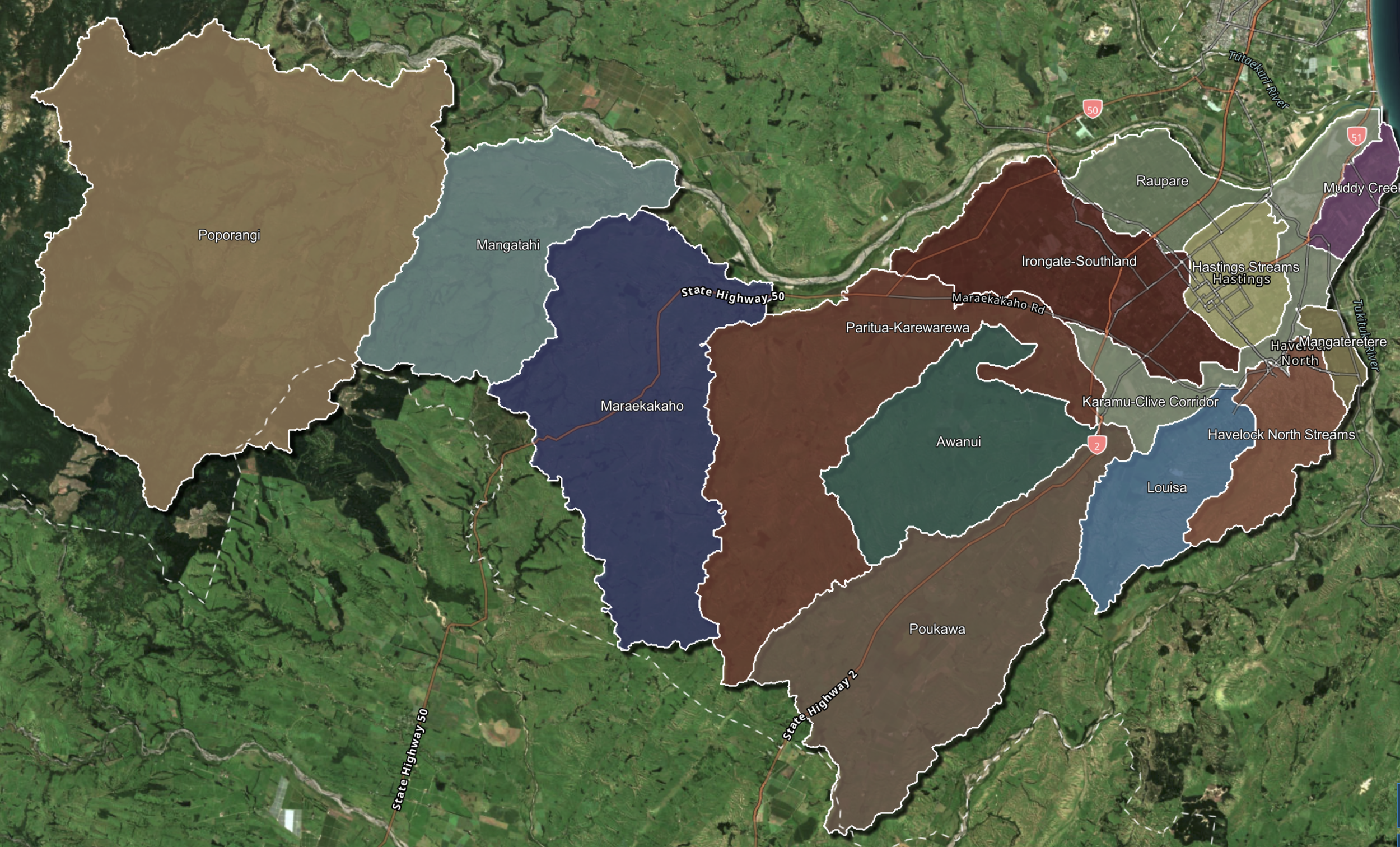
The Karamū River Catchment Collective is a local led network working across 96,920 hectares and 12 unique sub-catchments throughout Te Karamū and the Heretaunga Plains.
-
Our purpose is to help nature thrive within working and living landscapes.
We focus on practical, locally led action that shows how biodiversity and productive land use can exist side by side strengthening each other over time.
We work across the catchment to show what becomes possible when nature is integrated into everyday land use.
-
We deliver and support projects and learning across the Karamū catchment, including:
Wetland restoration
Riparian planting and drainage network enhancement
Predator trapping and biodiversity recovery programmes
Urban and peri-urban biodiversity initiatives
On farm demonstration projects across sheep and beef, horticulture and viticulture systems
Each project is designed to demonstrate nature in practice showing what works, where it works, and how it benefits different land uses across the catchment.
-
Karamū River Catchment Collective is a learning network.
Members gain access to:
resources
locally relevant funding opportunities
workshops and field based learning
By connecting across subcatchments, members share experience, test ideas and build practical solutions together.
-
Muddy Creek
Mangateretere / Havelock Streams
Raupare
Louisa
Karamū Clive Corridor
Irongate
Paritua
Awanui
Poukawa
Maraekakaho
Mangatahi
Poporangi
A stream that changed course, and a landscape that changed with it.
In 160 years the Heretaunga Plains have changed almost beyond recognition.
Te Karamū was once the main channel of the Ngaruroro River. After the great flood of 1867 the river changed course, and the streams from Irongate to Longlands, around Havelock North and on to Waipatu, joined to become Te Karamū.
Māori named the stream for the karamū (Coprosma robusta) that once covered much of Hastings. The Karamū and its tributaries gave an abundance of kai to the whānau and hapū of the area, and marae such as Ruahāpia and Waipatu still stand in the catchment today.
Today the same stream waters some of New Zealand's most productive land, carries most of Hastings' stormwater, and still flows past the places people fish, walk and swim. Looking after it is a shared job.
Working together with







Get Involved
Find your place in the Collective.
Whether you farm 500 hectares or live beside the stream, there's a way to be part of this.
-
Farmers & growers
Funding, advice and on-farm support for the changes you want to make.
Help finding and applying for funding
Co-investment in fencing and planting
Field days with people who farm like you
-
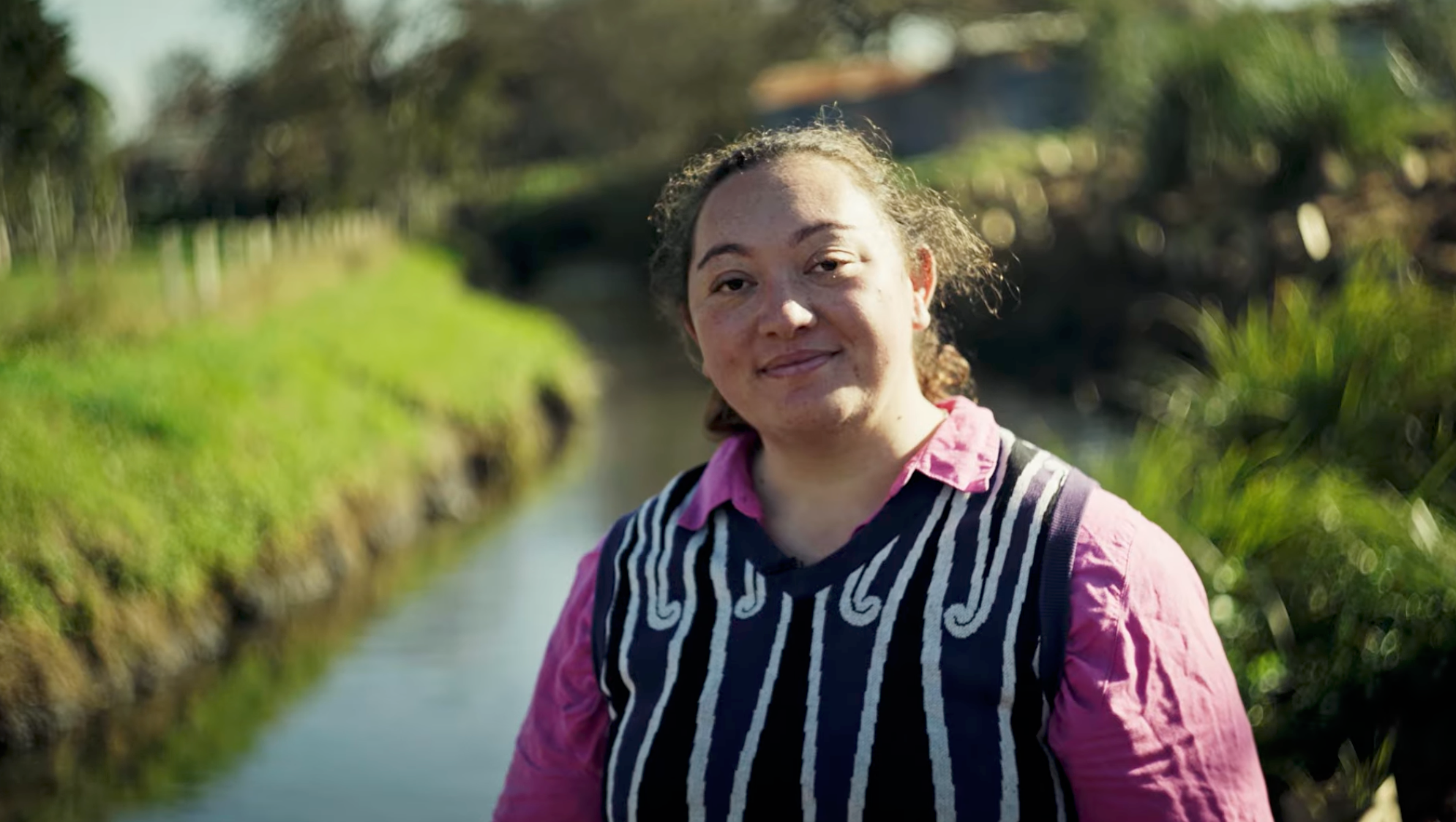
Iwi & mana whenua
Caring for the mauri of Te Karamū, together and on your terms.
Support for marae and hapū-led restoration
Connection to science and monitoring
Space to share mātauranga
-
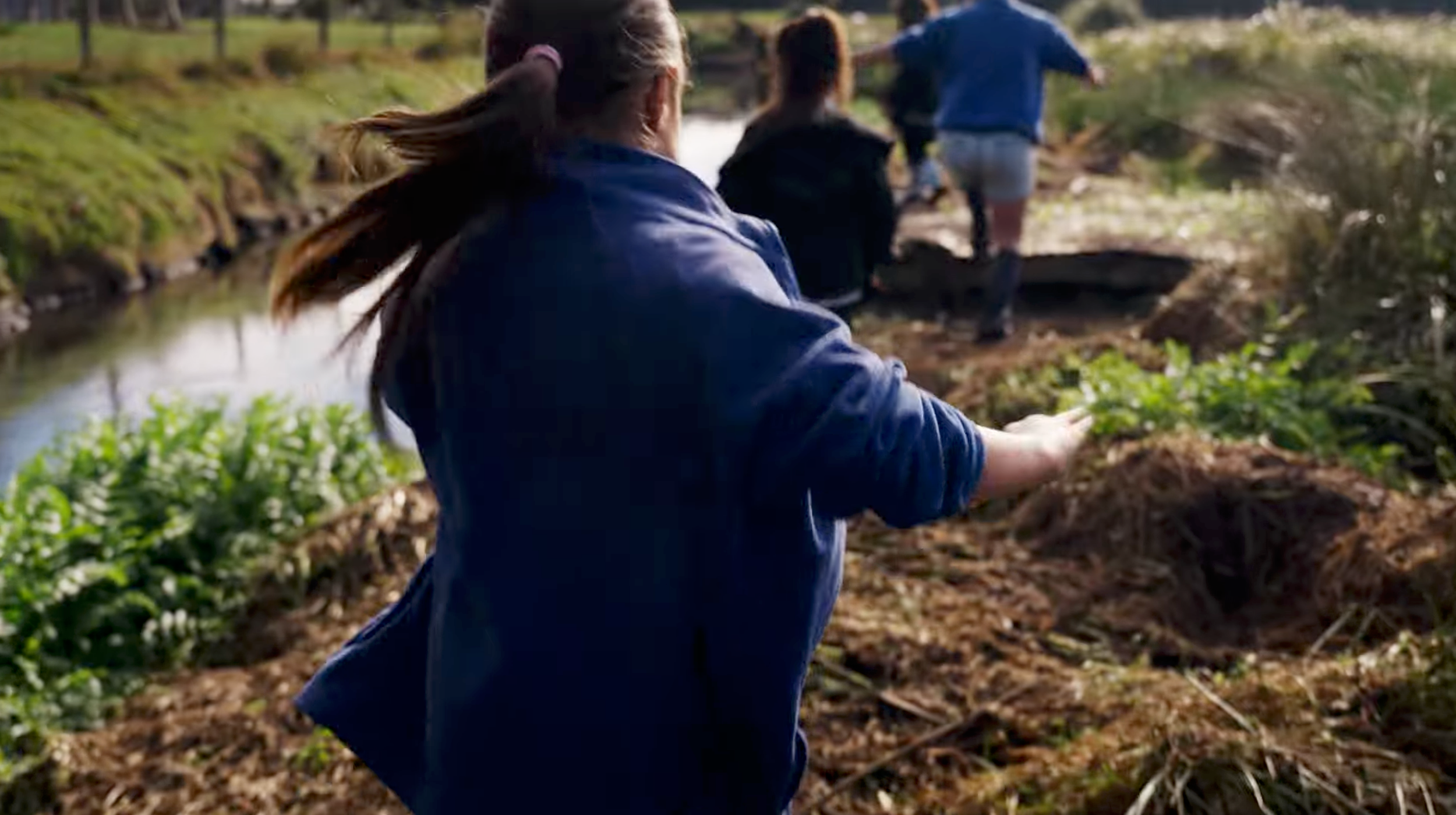
Schools & community
Plant, count, test and learn about the stream on your doorstep.
Community and school planting days
Citizen science you can join
Borrow a trap from the Trap Library
-
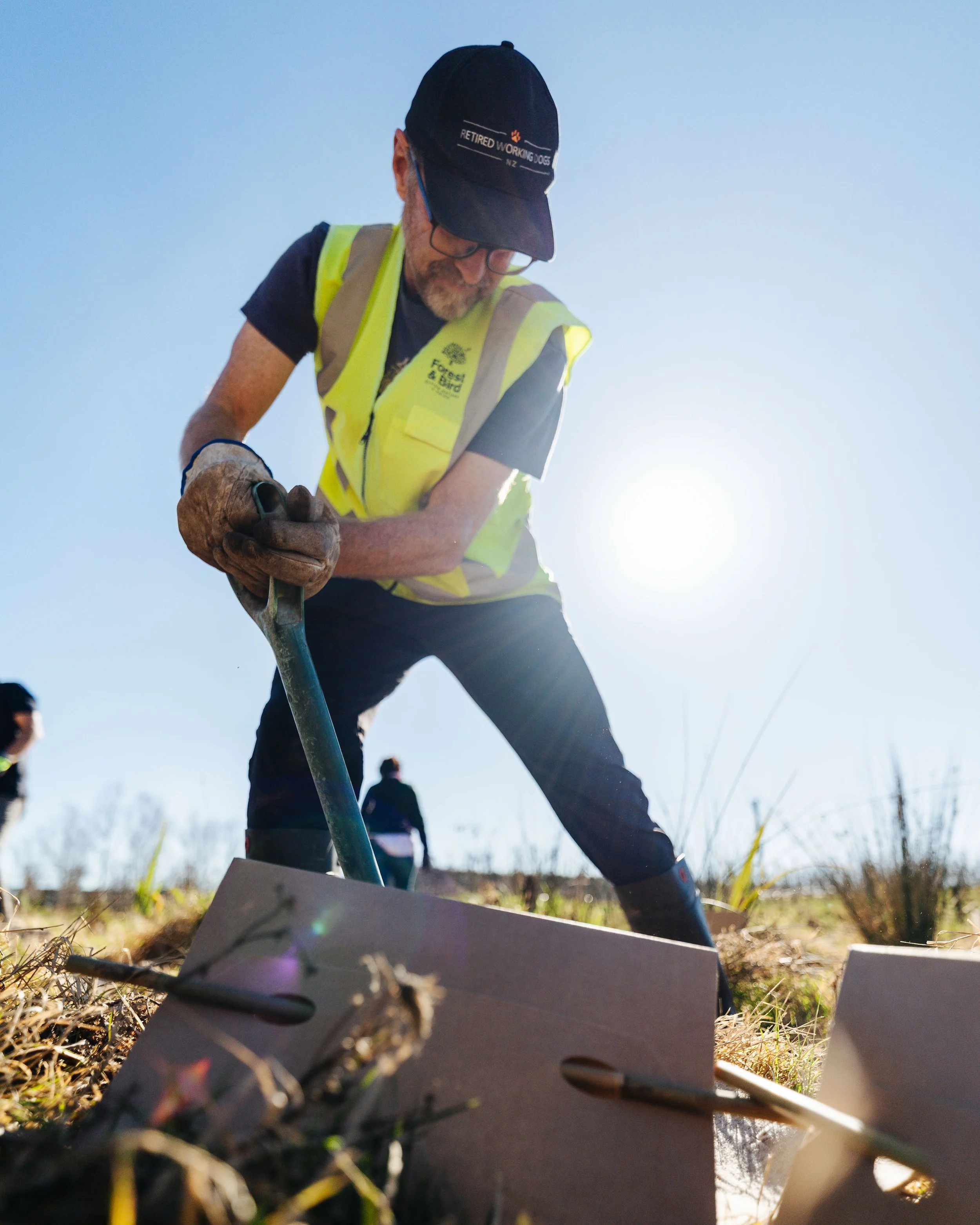
Local businesses
Put your support into local, visible projects your team can be part of.
Project sponsorship
Staff volunteer days
Reporting on the difference you make