About Us
Reawakening Te Karamū.
A locally led network of farmers, growers, iwi, businesses and neighbours, working across 14 sub-catchments of the Heretaunga Plains.
The Karamū River Catchment Collective is a locally led network working across Te Karamū to show how nature positive action strengthens productive landscapes, restores biodiversity and builds long-term resilience.
We bring together farmers, growers, landowners, iwi, urban communities and industry partners who share a commitment to caring for the land in ways that also support its future productivity and wellbeing.
OUR PURPOSE
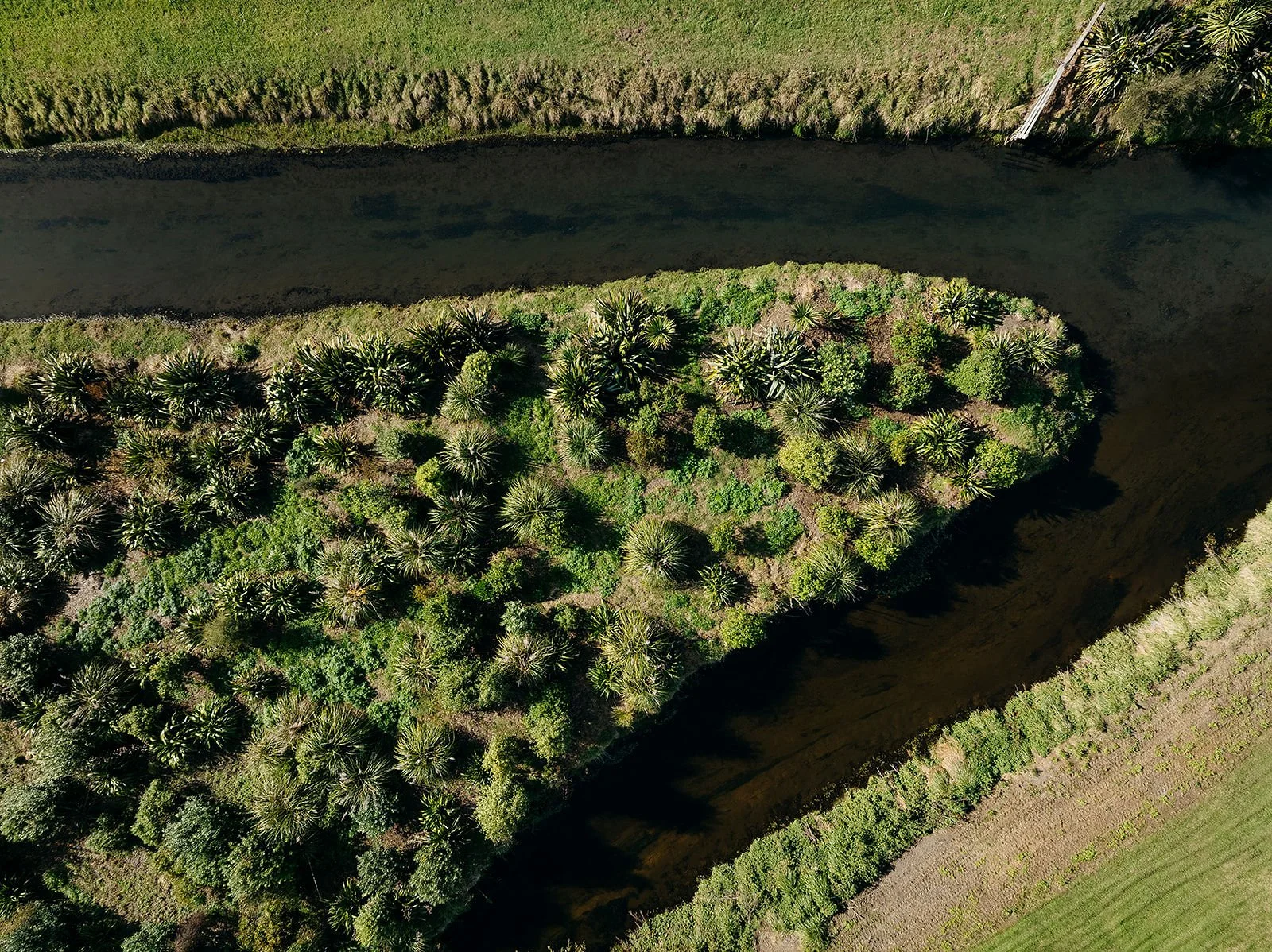
To help nature thrive within working and living landscapes.
We focus on practical, locally led action that shows how biodiversity and productive land use sit side by side, strengthening each other over time. And we work across the whole catchment to show what becomes possible when nature is part of everyday land use.

Nature and the economy are the same system.
Healthy soils, functioning waterways and resilient ecosystems reduce risk and keep primary production viable.
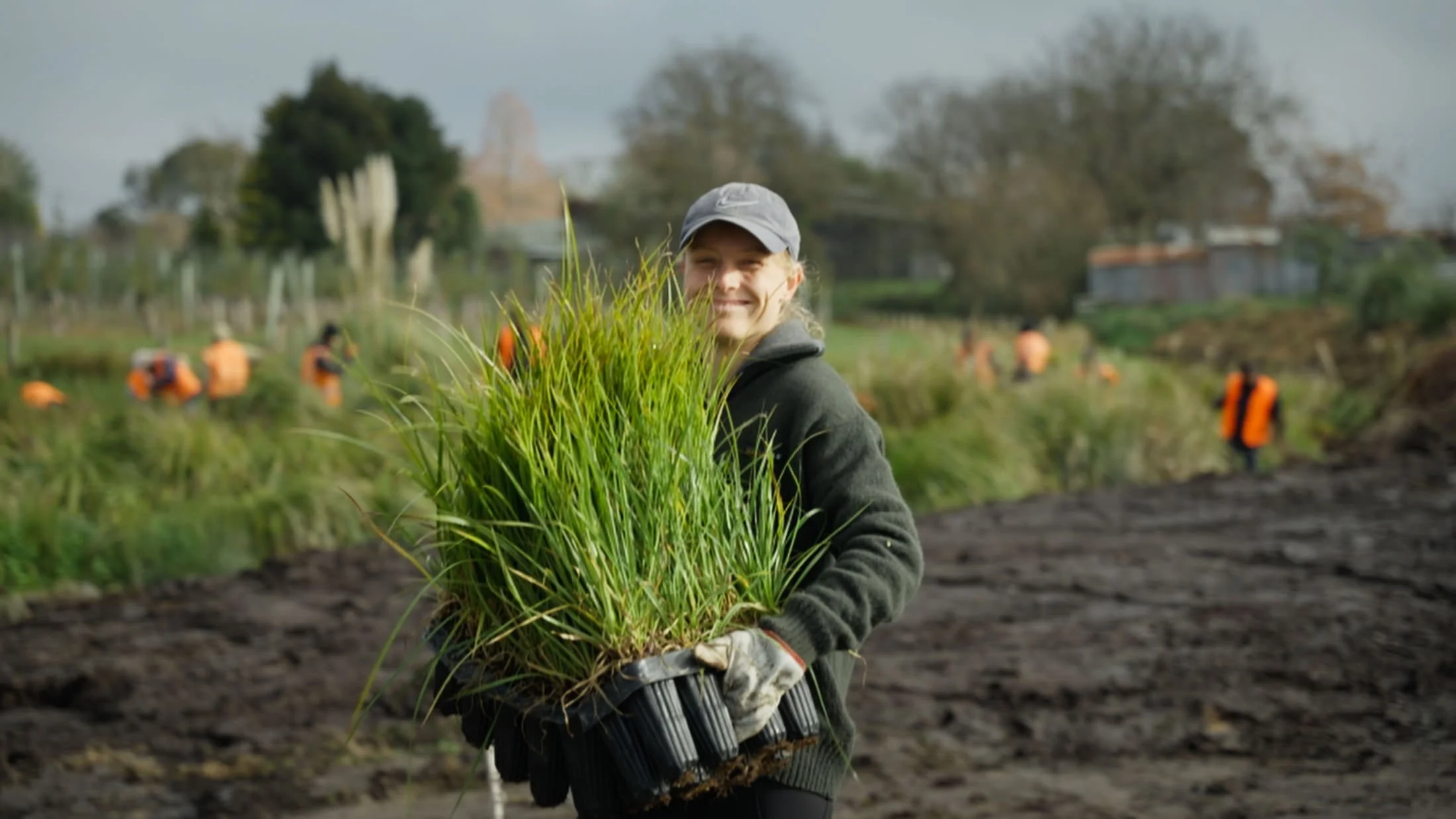
Te Karamū sits at the heart of Hawke's Bay's productive landscape, supporting the orchards, vineyards, farms and rural communities behind the region's economic performance and export base.
Those same landscapes shape local identity, wellbeing and the mauri of the Karamū and its tributaries. By supporting innovation on the land, improving environmental outcomes and strengthening the reputation of the region's primary industries, we help make sure ecological restoration and economic resilience are built together, as part of the same system.
To keep decisions close to the land, we operate across 14 sub-catchments, so priorities and investment are shaped by the people who live and work in each one.
How we work
We deliver and support projects and learning right across the catchment.
Every project is designed to demonstrate nature in practice: what works, where it works, and how it benefits different land uses.
The story of Te Karamū
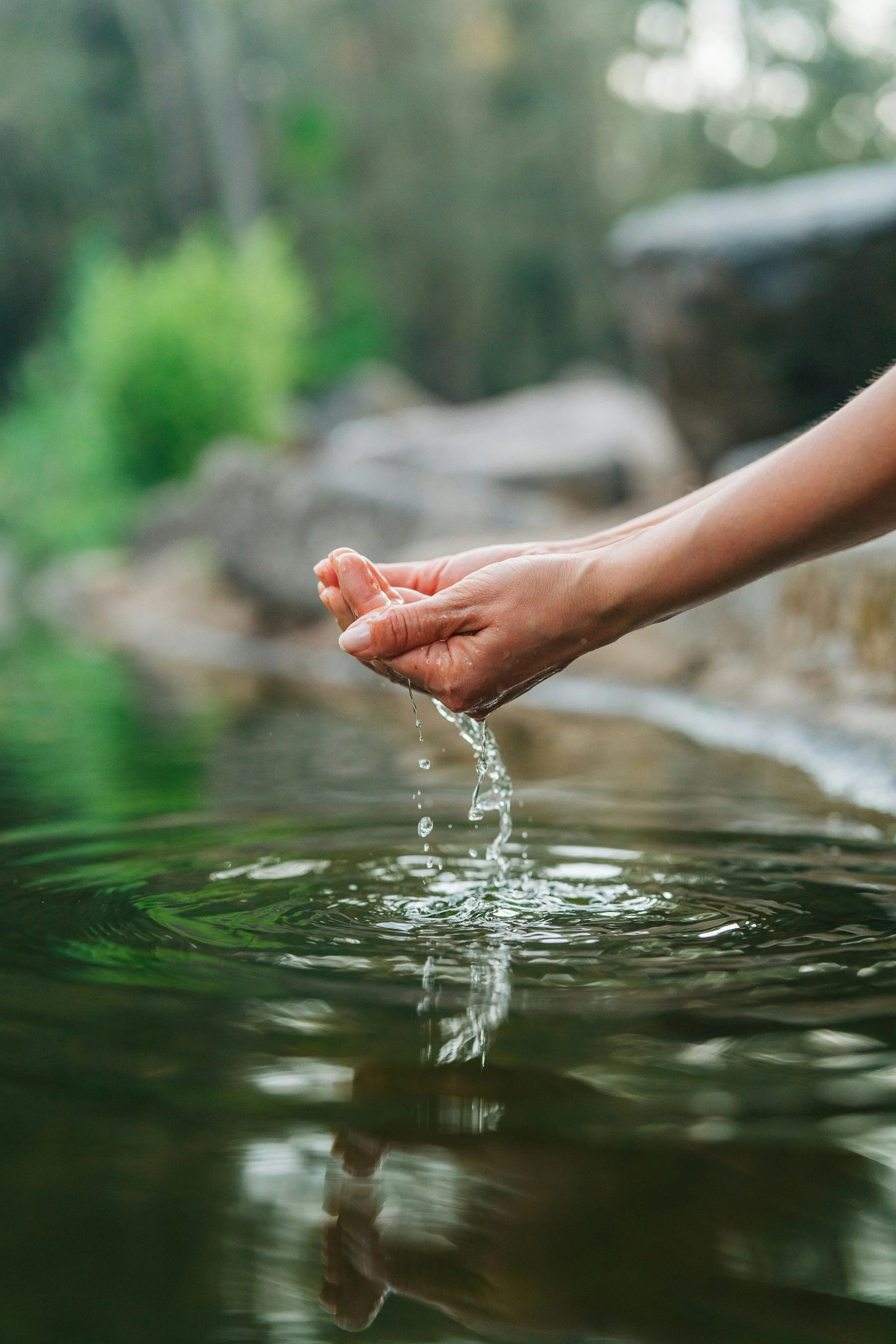
The Karamū was once the main channel of the Ngaruroro River. After the great flood of 1867 the river changed course, and the streams from Irongate to Longlands, around Havelock North and on to Waipatu, joined to become Te Karamū.
Māori named the stream for the karamū (Coprosma robusta) that once covered much of Hastings. The Karamū and its tributaries gave an abundance of kai to the whānau and hapū of the area, and marae such as Ruahāpia and Waipatu still stand in the catchment today.
In 160 years the Heretaunga Plains have changed almost beyond recognition. Looking after what remains, and bringing back what we can, is a shared job.
Everything we learn, shared with everyone who joins
Resources
Guides, maps, monitoring data and practical tools you can use on your own place.
Funding opportunities
Locally relevant funding rounds, and help putting an application together that stands up.
Workshops and field days
Learning on real sites with the people doing the work, not in a meeting room.
By connecting across sub-catchments, members share experience, test ideas and build practical solutions together.
The catchment
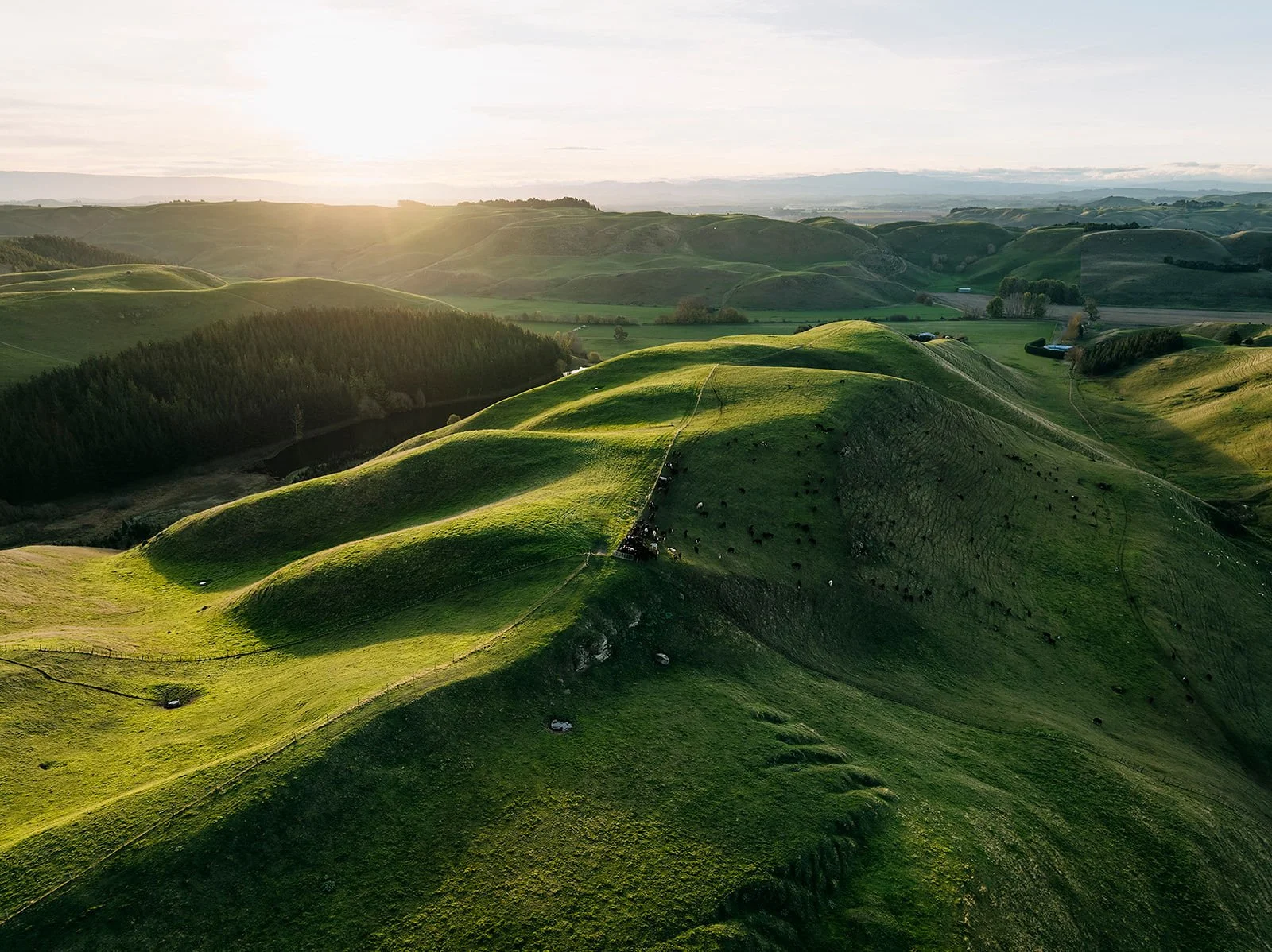
Te Karamū is the working heart of the Heretaunga Plains.
The Greater Karamū covers cropland, orchards, vineyards, sheep and beef country, towns and industry. We divide it into sub-catchments, local areas that work like neighbourhoods within a wider community.
96,920
Hectares across the Greater Karamū
14
sub-catchments, each with local priorities
1867
the flood that shaped Te Karamū
Our Progress
What we’ve achieved together so far
$900k MPI funding secured for sub-catchment groups through to 2028
525landowners, farmers & growers engaged
505 hours of volunteer service contributed in 2025-2026 by 175 volunteers
$41,860invested in Predator Free Karamū including 120 traps
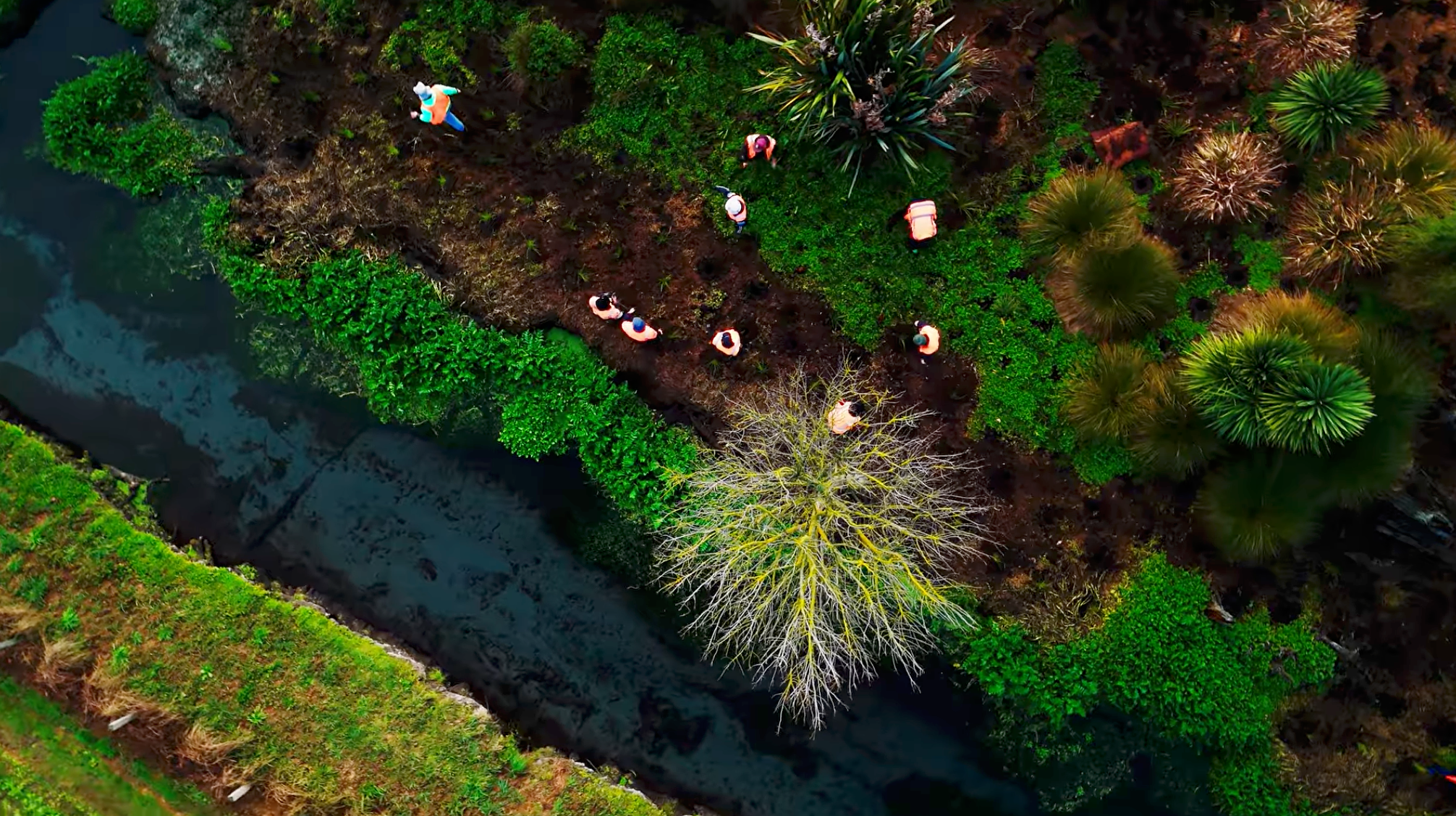
5100 native plants in the ground
478landowners, farmers & growers engaged
7 local scools, 212 students & 142 hours of environmental learning in 2025-2026
Questions we’re often asked
-
We support projects, education, research, events, and collaboration across the catchment. This includes wetland restoration, biodiversity projects, water quality initiatives, pest control programmes, environmental monitoring, farmer events, and community engagement activities.
-
Anyone with an interest in the future of the Karamū catchment can get involved. This includes farmers, growers, rural professionals, iwi, schools, businesses, community groups, residents and sponsors.
-
No. Many of our projects and events are open to the wider community. Improving the health of the catchment is a collective effort that extends beyond farm boundaries.
-
The Karamū catchment is made up of multiple smaller sub-catchments, each with its own waterways, geography, land uses, challenges, and opportunities. Local catchment groups help identify priorities and lead projects that are relevant to their area.
-
Projects are developed in collaboration with local communities, landowners, technical experts, and partners. We focus on practical initiatives that can deliver positive environmental, social, and economic outcomes for the catchment.
-
Our work is supported through a combination of MPI funding, grants, sponsorship, project co-funding, partnerships, and community contributions. We are grateful to the organisations, funders, and individuals who help make this work possible.
-
Nature-based restoration uses natural processes to improve environmental outcomes. Examples include wetland restoration, riparian planting, biodiversity enhancement, and erosion control projects that support healthier ecosystems while benefiting communities and productive land.
-
You can support KRCC by attending events, volunteering, sharing knowledge, participating in projects, partnering with us, sponsoring initiatives, or helping spread awareness of the work happening across the catchment.
-
Follow us on social media, subscribe to our newsletter, and regularly visit our website to keep up with projects, events, opportunities, and catchment news.
-
We'd love to hear from you. Whether you have an idea, a question, a project proposal, or simply want to learn more, please contact us through our website or email info@karamucollective.nz
Working together with