Project
Karamu Trap Library
Discovering where one of Aotearoa’s rarest bats live throughout Karamū
At a glance
-
Whole catchment
-
Karamū Collective
-
Underway
-
The Bat Co Lab

-
Long-tailed bats are known to live in the Karamū catchment, but we don't yet know where they are active, which habitats they rely on, or how they move through the landscape. Without this catchment wide picture, it is difficult to identify priority habitat, target restoration and predator control, or measure how our actions are supporting one of Aotearoa’s most threatened native mammals.
-
The long-tailed bat (pekapeka-tou-roa) is one of Aotearoa’s most threatened native species, yet we have limited information about where it lives and how it uses the Karamū landscape. Building a clear picture of bat activity means we can protect important habitat, target restoration and predator control, and measure change over time. It also gives the catchment the evidence needed to direct future biodiversity investment where it can have the greatest benefit.
-
We are building a catchment-wide picture of long-tailed bat activity across Karamū, identifying where bats are present and which habitats they use. By combining citizen science with targeted acoustic surveys, we can uncover important roosting, foraging and commuting areas and identify priorities for future restoration and predator control. The goal is to build a reliable baseline that can guide action, track change and strengthen protection for pekapeka-tou-roa across the catchment.
-
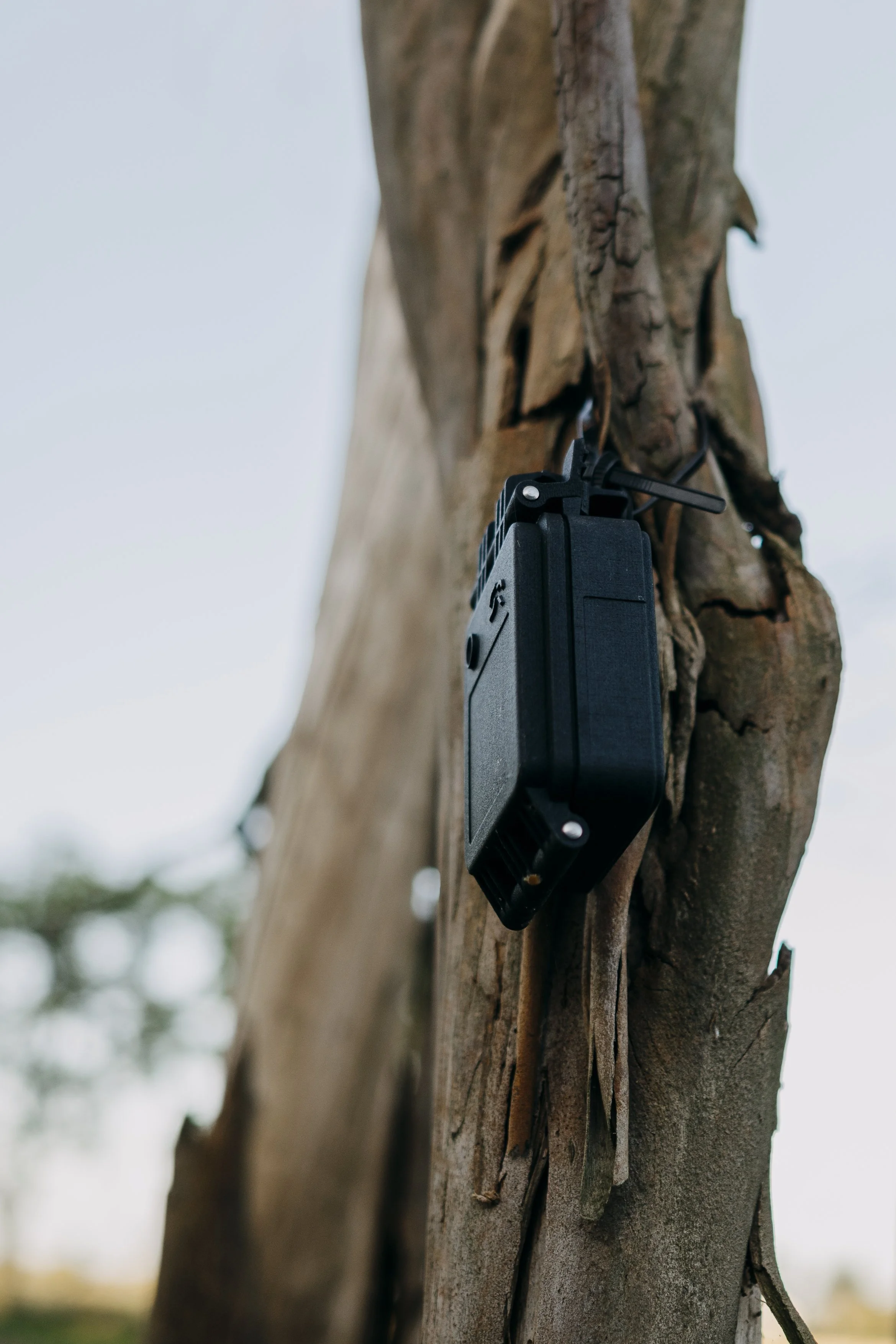
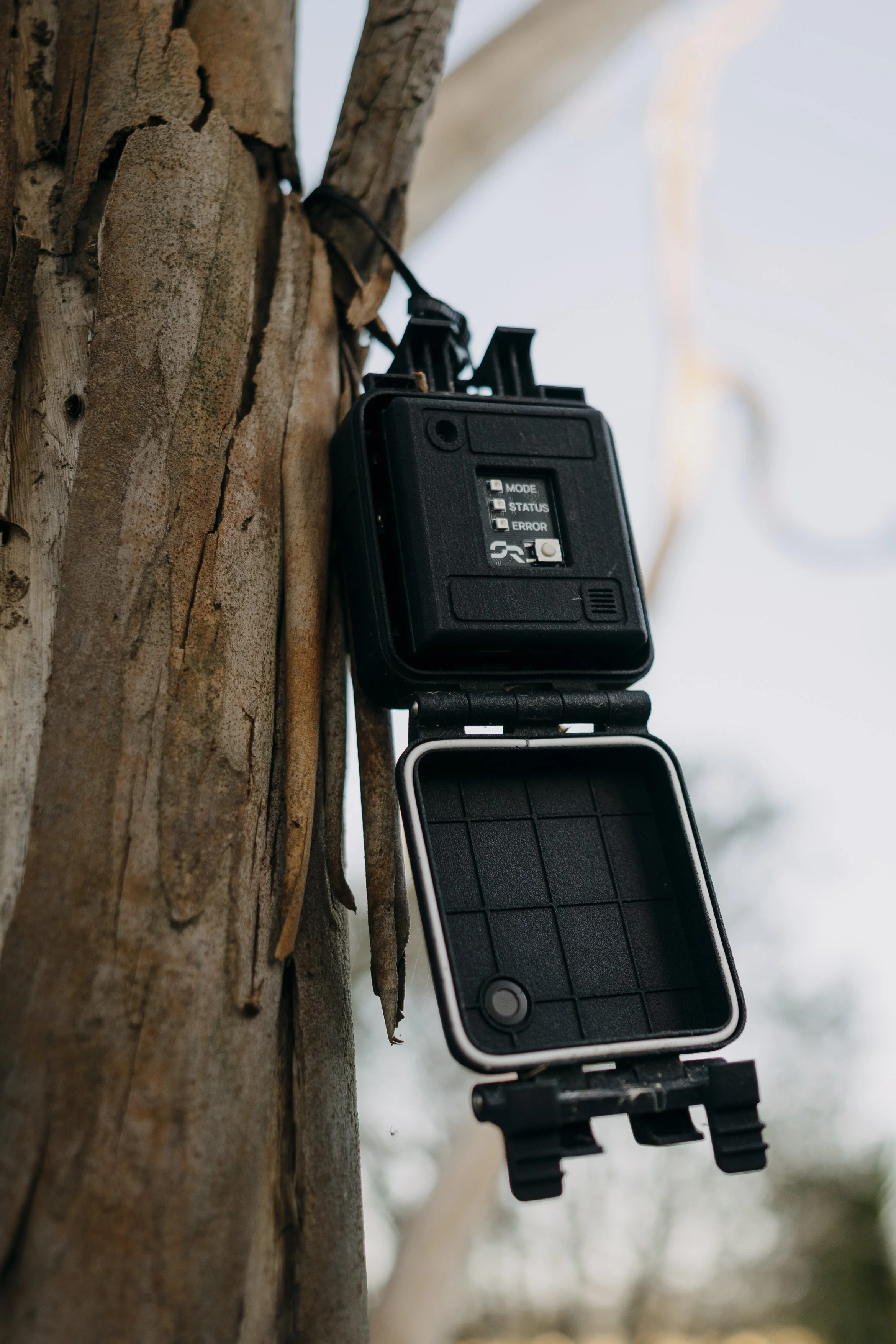
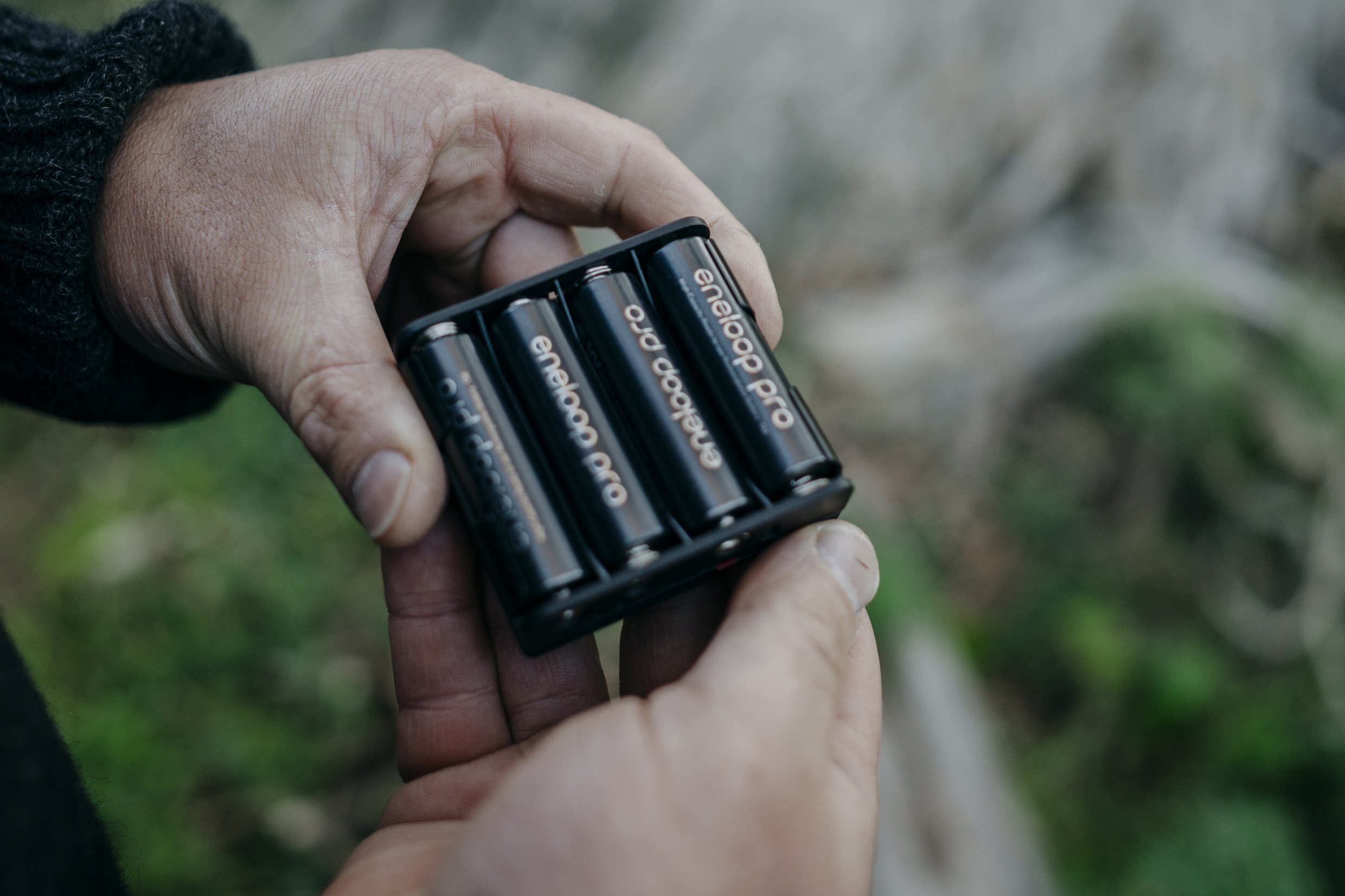
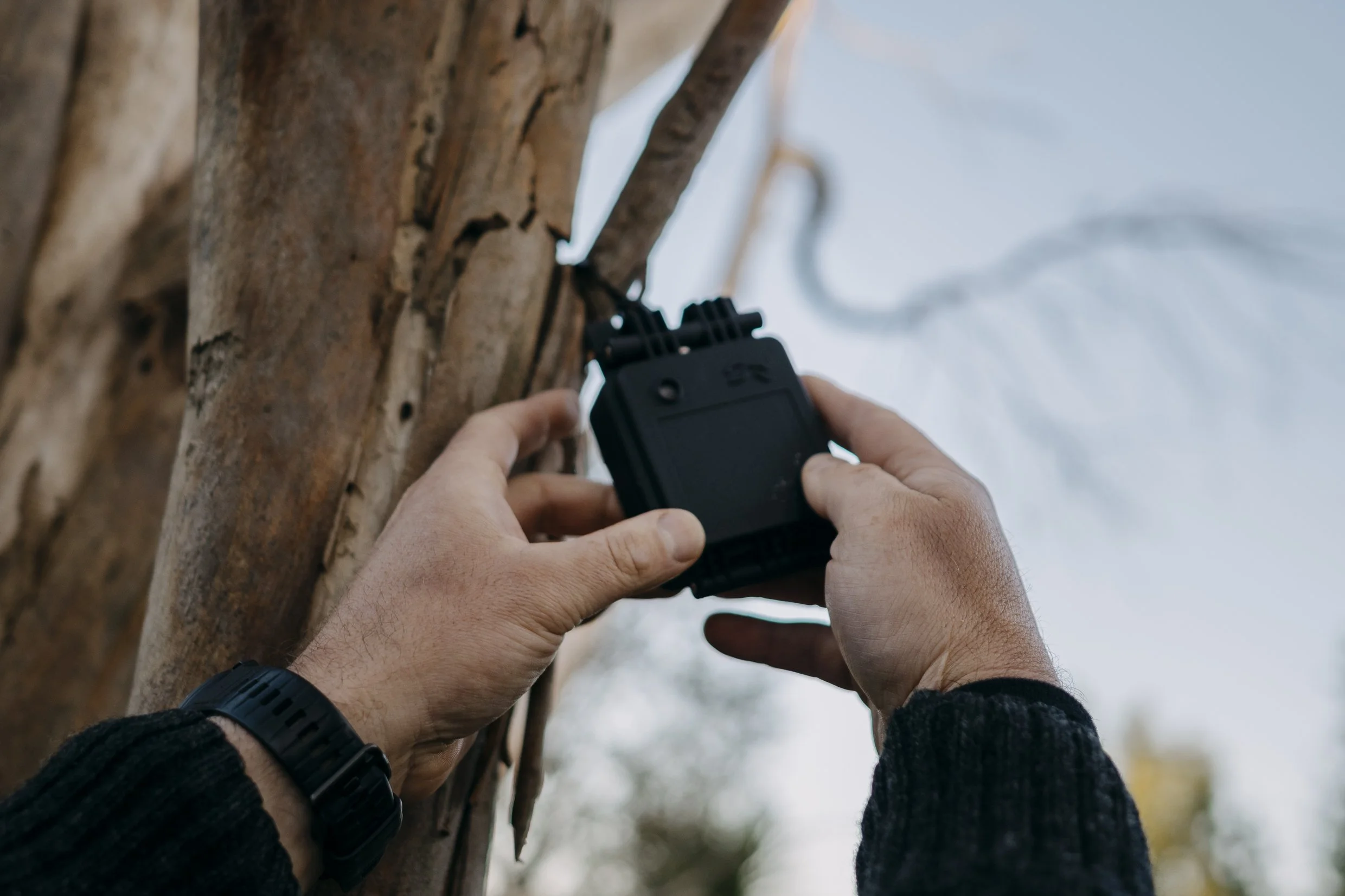
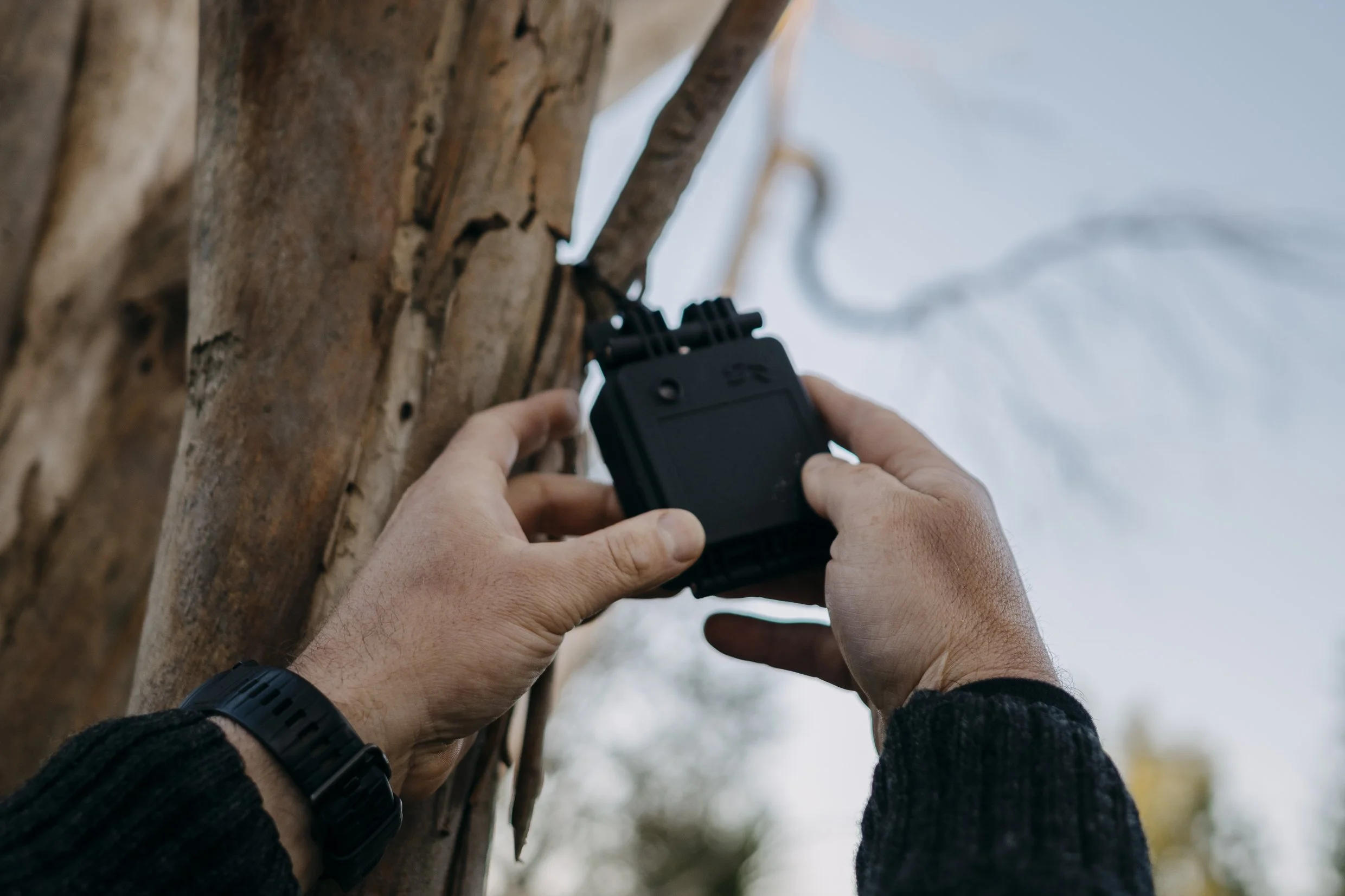
Five acoustic detectors will be used across areas of interest, with volunteers able to survey from homes, farms and other accessible sites, while targeted surveys will focus on remote bush remnants and priority biodiversity sites. The recordings will be analysed to identify bat presence and activity, with results mapped and contributed to the National Bat Database. This approach will help us build a baseline of where bats are active, identify important habitat and guide future restoration, predator control and biodiversity projects across Karamū.
-
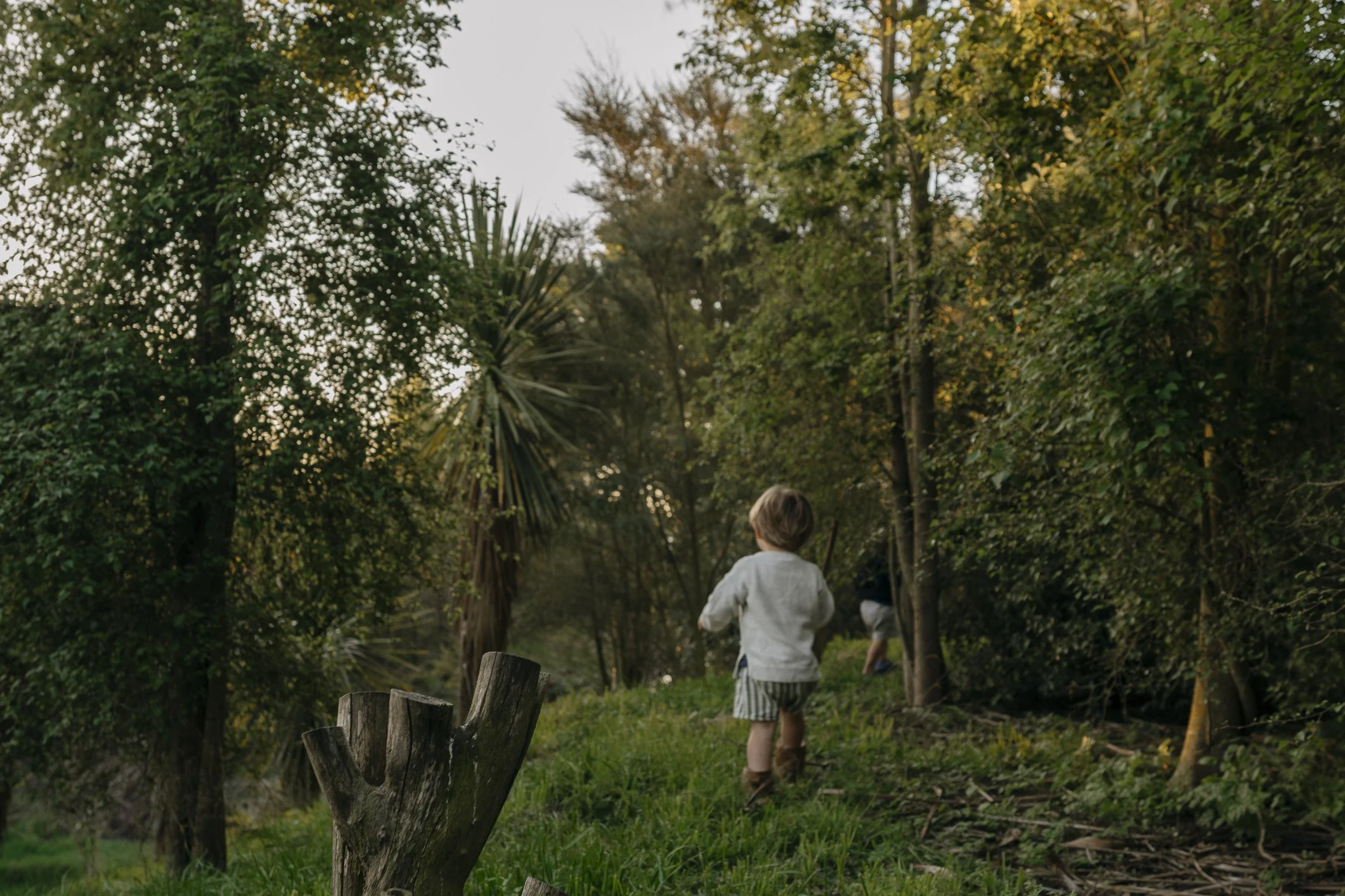
Success looks like knowing where long tailed bats are active across Karamū and having a clearer understanding of the habitats they rely on. It also looks like a new generation of citizen scientists (our kids) discovering pekapeka tou roa, learning how to monitor a taonga species and becoming part of the science happening in their own catchment. Already, a student from Havelock North Intermediate has volunteered with the project, while students at Maraekakaho School have helped redeploy acoustic detectors. These experiences build curiosity, connection and practical science skills, while the data they help collect creates a foundation for protecting habitat, targeting restoration and predator control, and tracking change over time.
-
This project has been made possible by Mark Roper at The Bat Co.Lab