
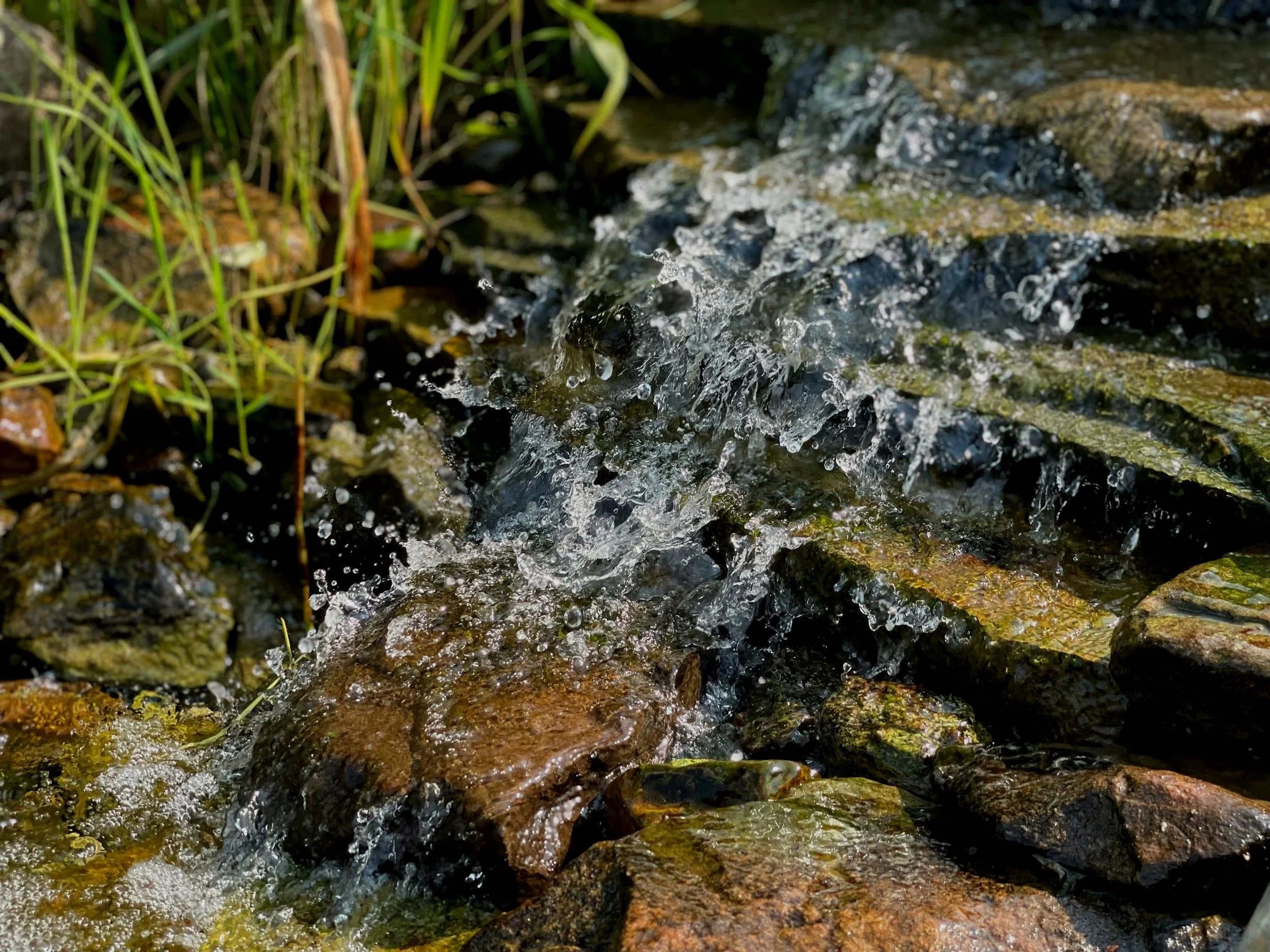
Freshwater
Caring for our streams and rivers in Karamū
Practical guidance for landowners, growers and anyone with a waterway running through their patch of Te Karamū.
Where to start
Freshwater is one of our most valued natural resources. It supports our communities, our livelihoods, our wildlife and the landscapes we call home.
Looking after it is a shared responsibility. We also know that understanding freshwater health, navigating the rules and working out where to begin can feel complicated.
There is no one-size-fits-all approach. Every waterway, property and catchment is different, and positive change takes time, knowledge and people working together.
What's on this page
We've brought these resources together to help guide landowners, growers and our wider community. Whether you want to understand your stream better, find practical ways to improve freshwater health, or work out who can help, this is a place to start.
This is about sharing knowledge, supporting good decisions and working together towards enduring change, so future generations can enjoy healthy freshwater systems and thriving waterways.
What good stream care looks like
Caring for the waterways that flow through your property protects your land, supports healthy ecosystems and builds resilience across the wider catchment.
Every property has a role to play. Start with one and build from there.
-

Keep stock out of streams
Excluding stock is the single most effective step for most properties. It reduces bank damage, sediment and direct contamination.
-
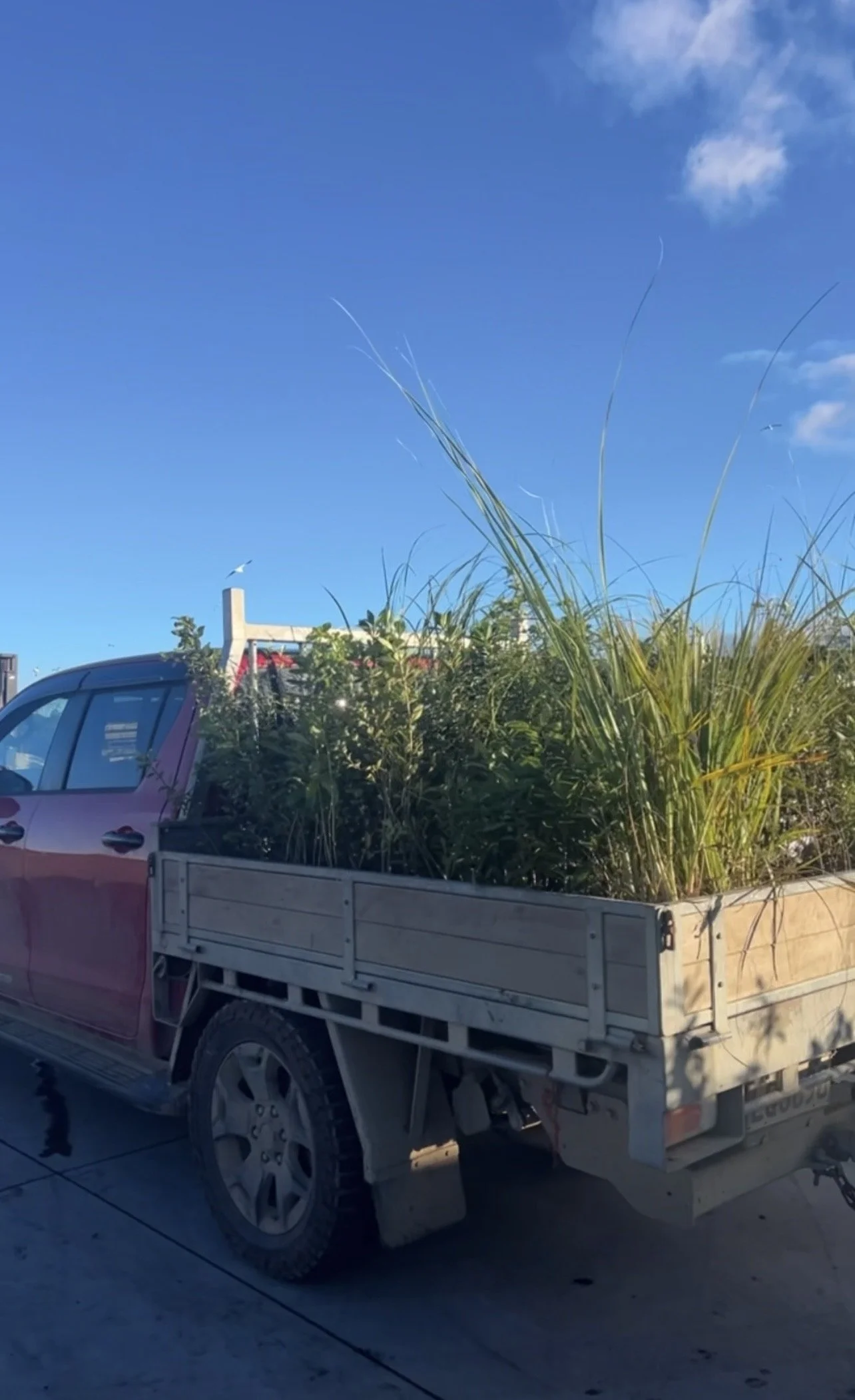
Fence stream margins
Fencing protects new planting and gives the waterway room to function. Funding is often available to help with the cost.
-
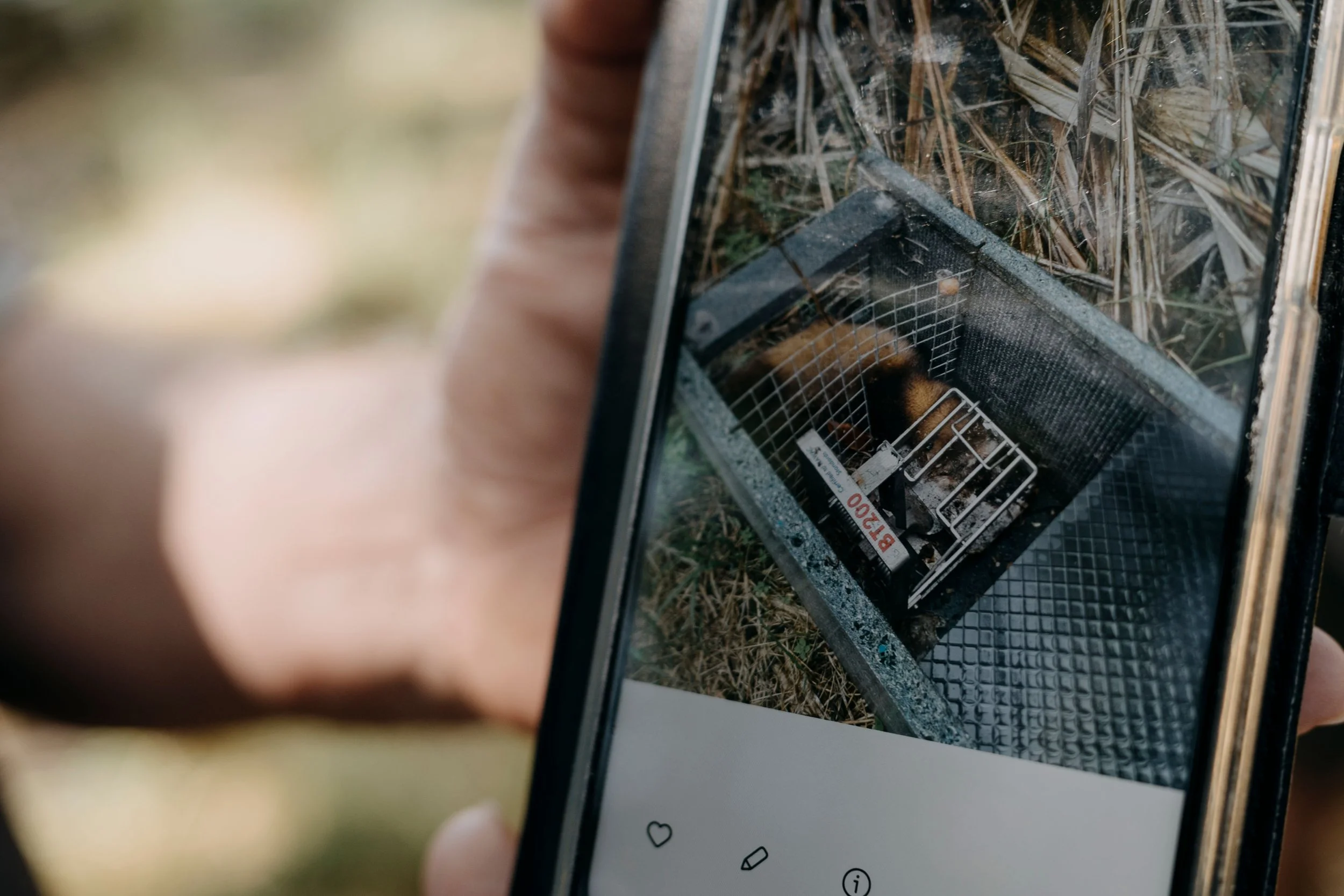
Control pest plants and animals
Weeds and pests undo good work quickly. Control protects your investment and the habitat it creates.
-
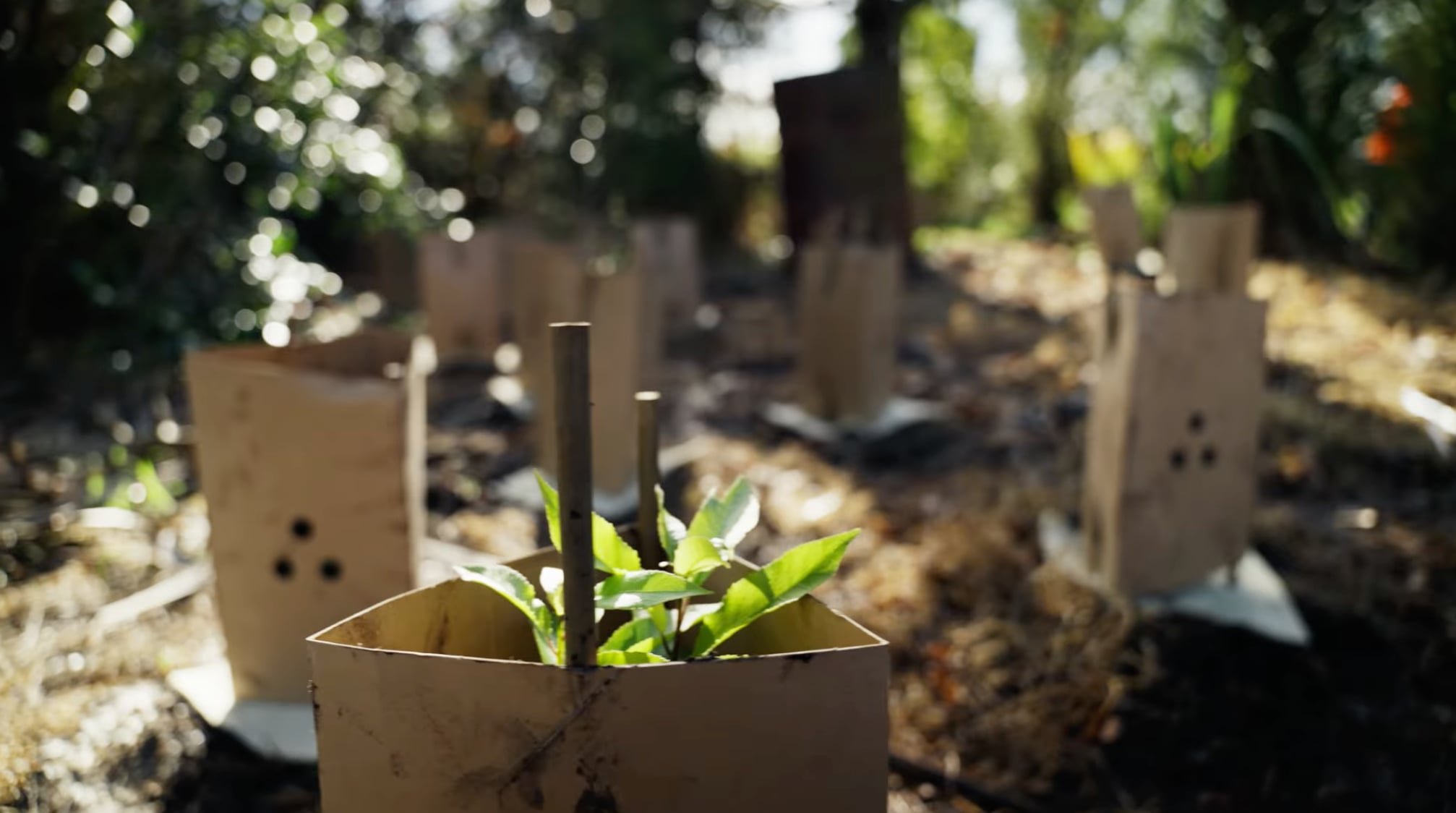
Plant the riparian margin
Native planting filters runoff, traps sediment, binds the banks and shades the water. Species choice and density matter.
-
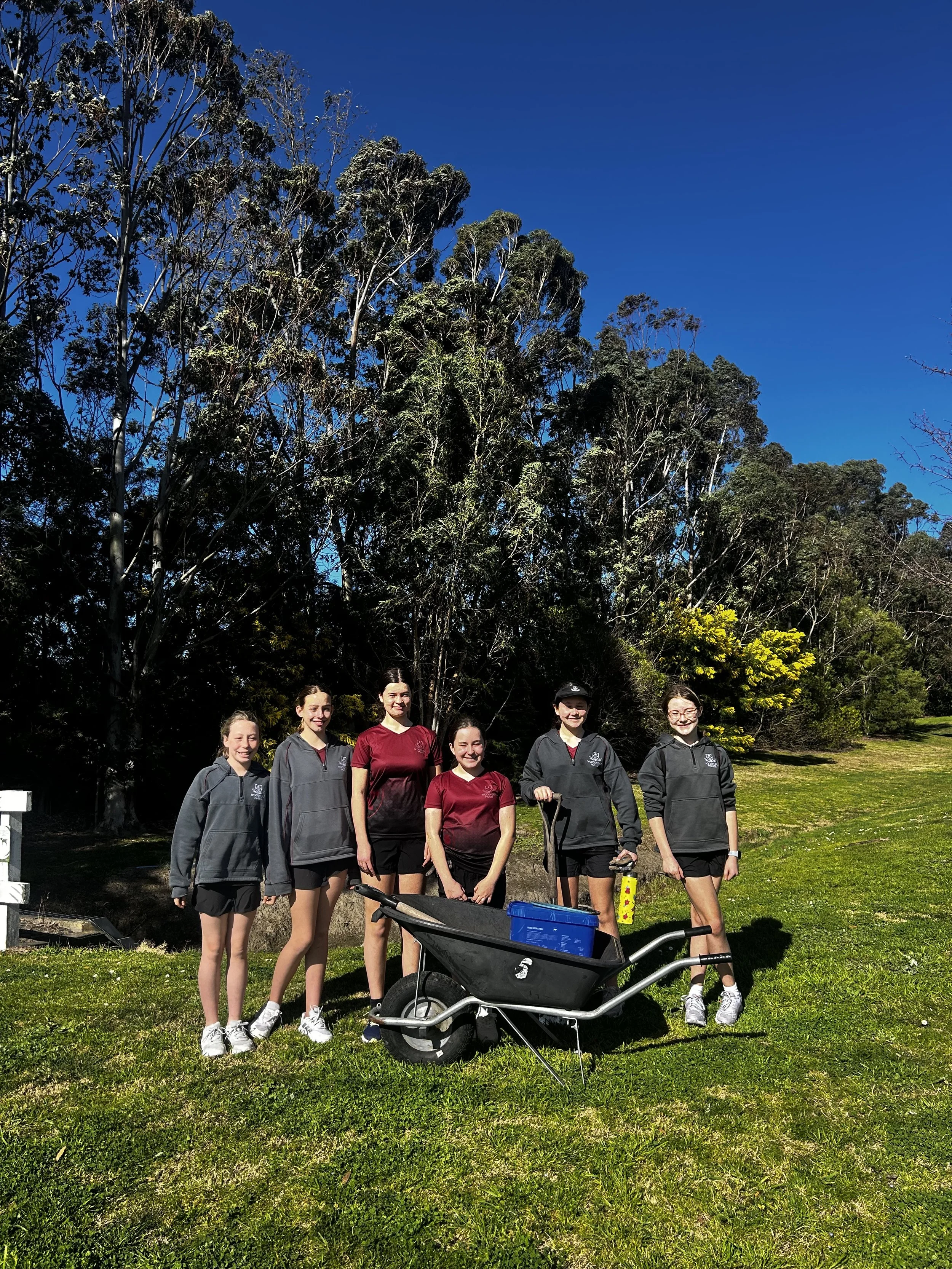
Clear debris and obstructions
Keeping waterways clear of fallen trees and build-up helps water move freely and reduces the risk of blockages.
-
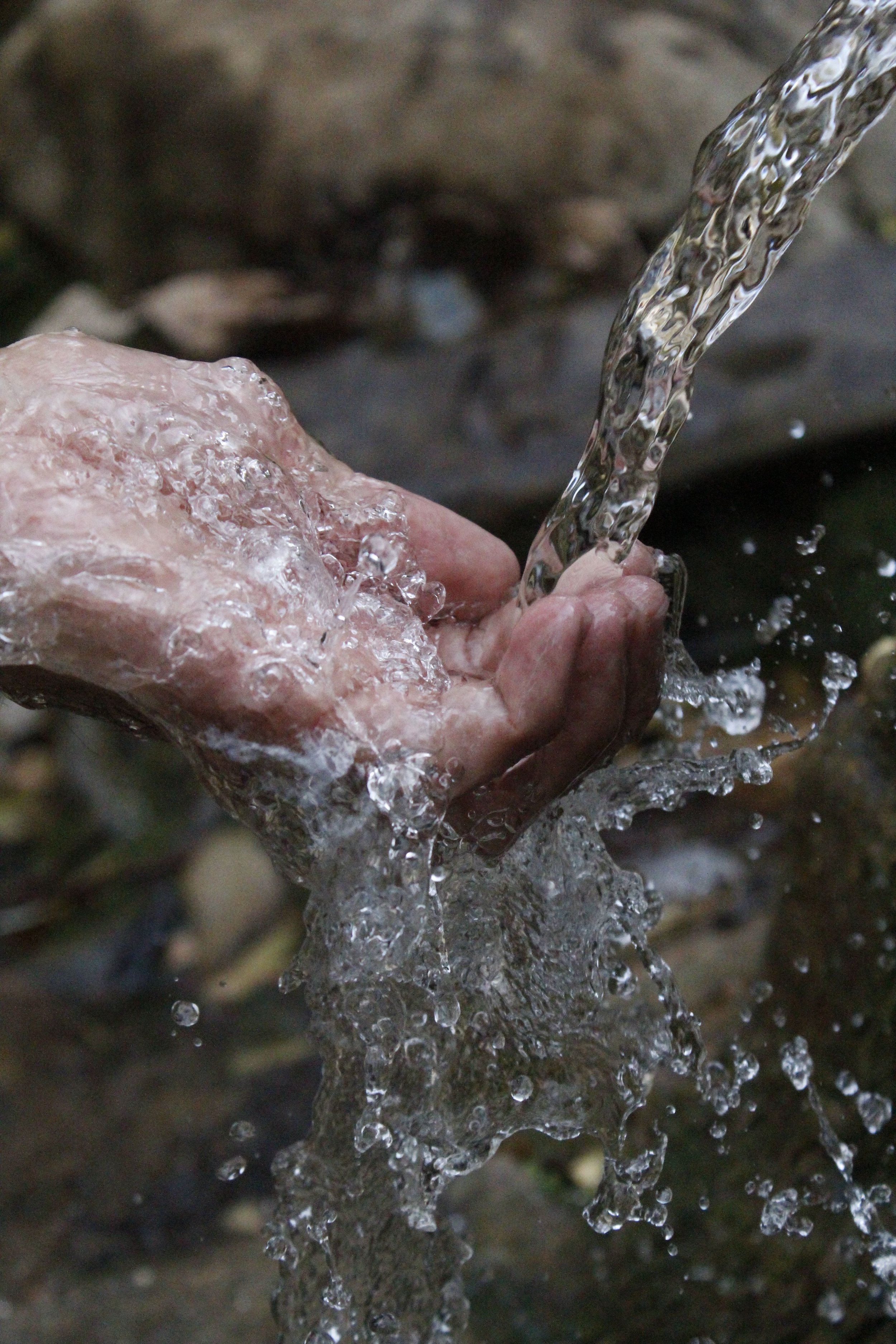
Let the waterway meander
Allowing a stream the space to move naturally is often cheaper and more durable than fighting it.
How do I check how my stream is doing?
Regular monitoring builds a picture of how your waterway is changing over time, and whether restoration is making a difference
From a quick look over the fence to full laboratory testing.
-
SHMAK, the Stream Health Monitoring and Assessment Kit
A hands-on kit developed by NIWA for landowners, community groups and schools. It assesses water clarity, temperature, water bugs, stream habitat and the condition of the streambed. A good way into citizen science, and easy to repeat.

-
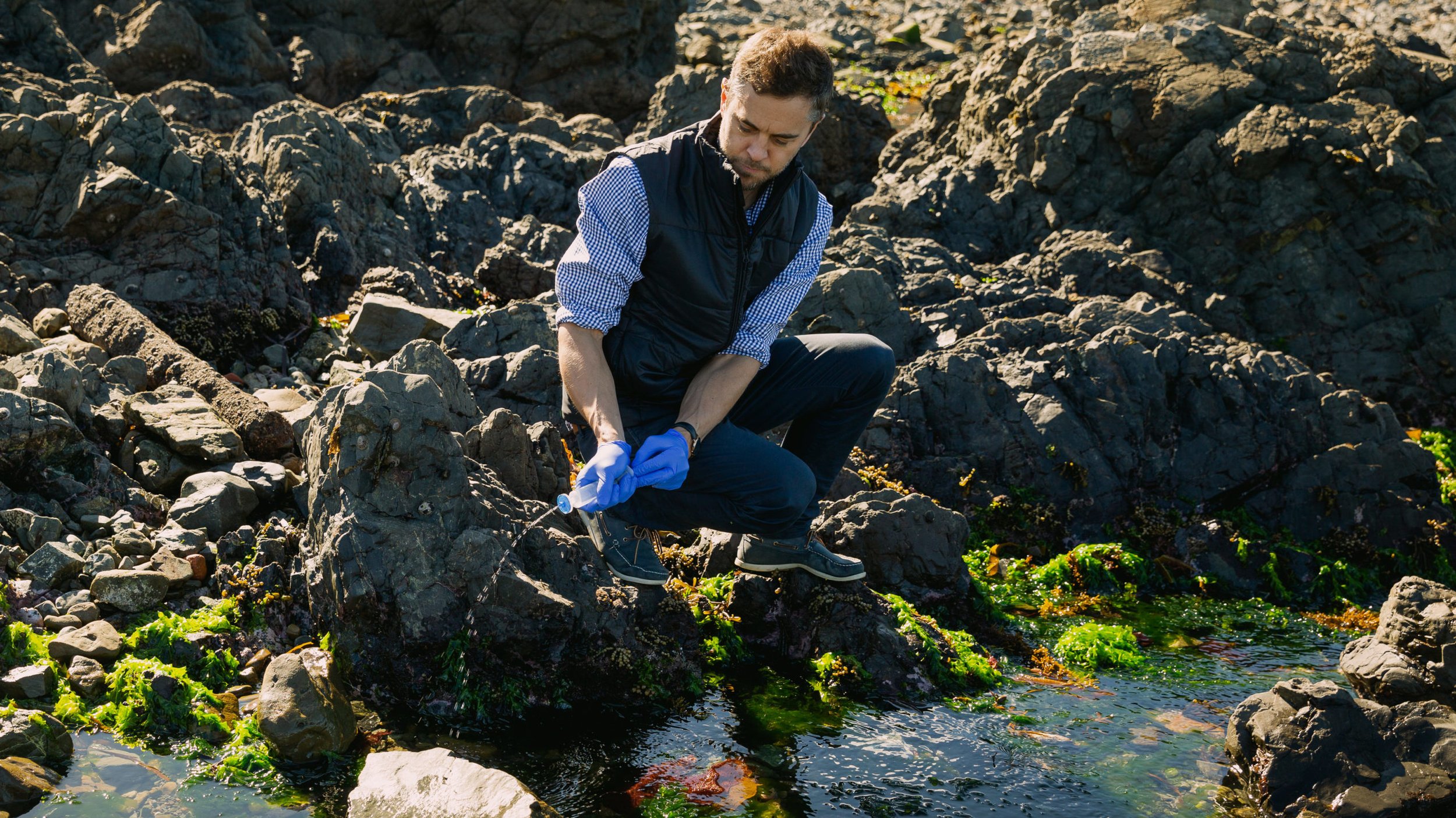
eDNA, environmental DNA
Testing for genetic traces left behind in the water. From one sample, a lab can identify which species have been present, including native fish, kākahi and other aquatic life, without needing to catch or see them.
-
Visual stream checks
No equipment needed. Watch for changes in water clarity, unusual discolouration, sediment build-up, bank erosion, aquatic plant growth, rubbish, and signs of native fish or wildlife. Photograph the same spots over time.
-
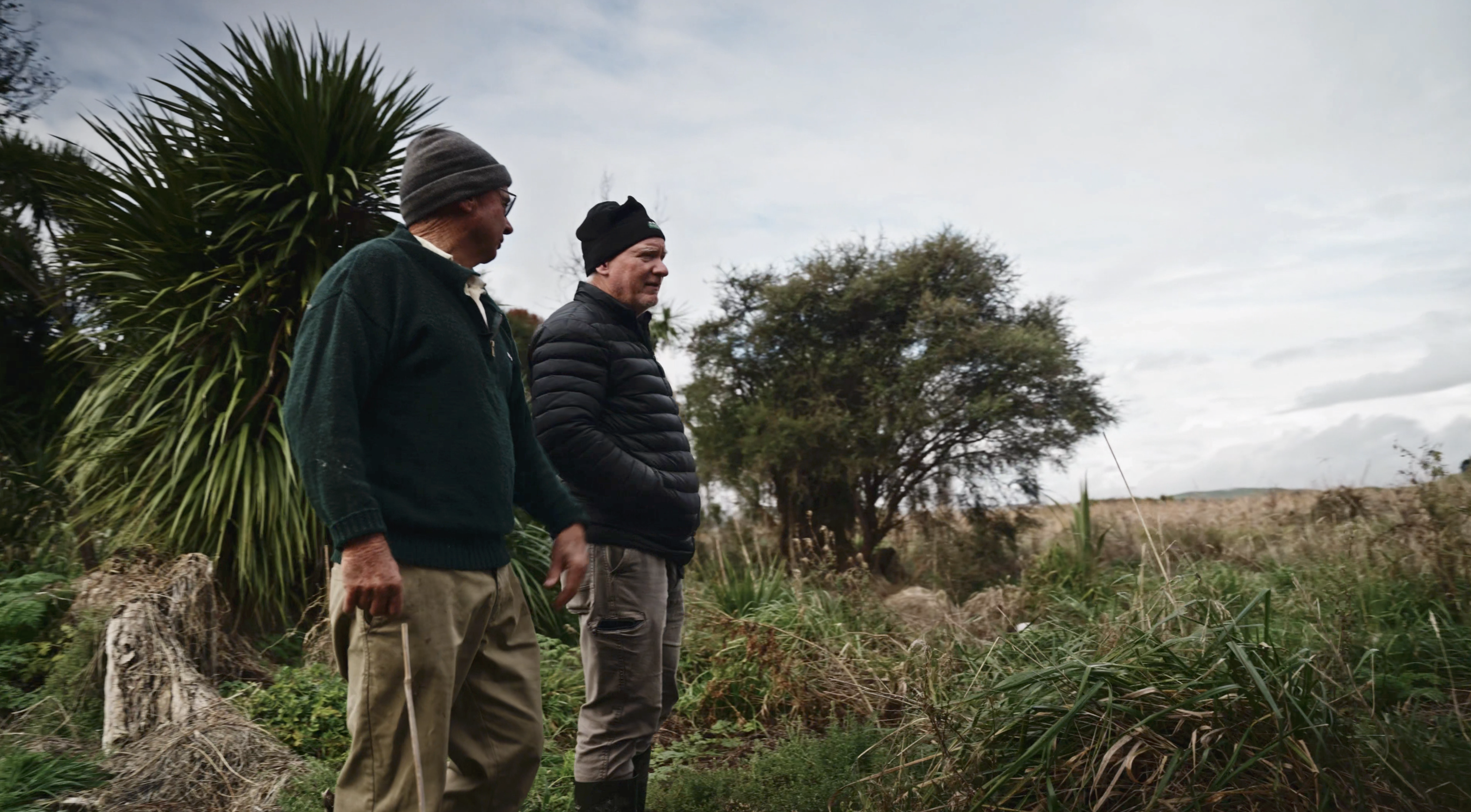
Community monitoring
Community monitoring
Working alongside catchment groups, schools, council teams and freshwater specialists gives you access to more tools and expertise. We can connect you with monitoring opportunities and the people who can help.
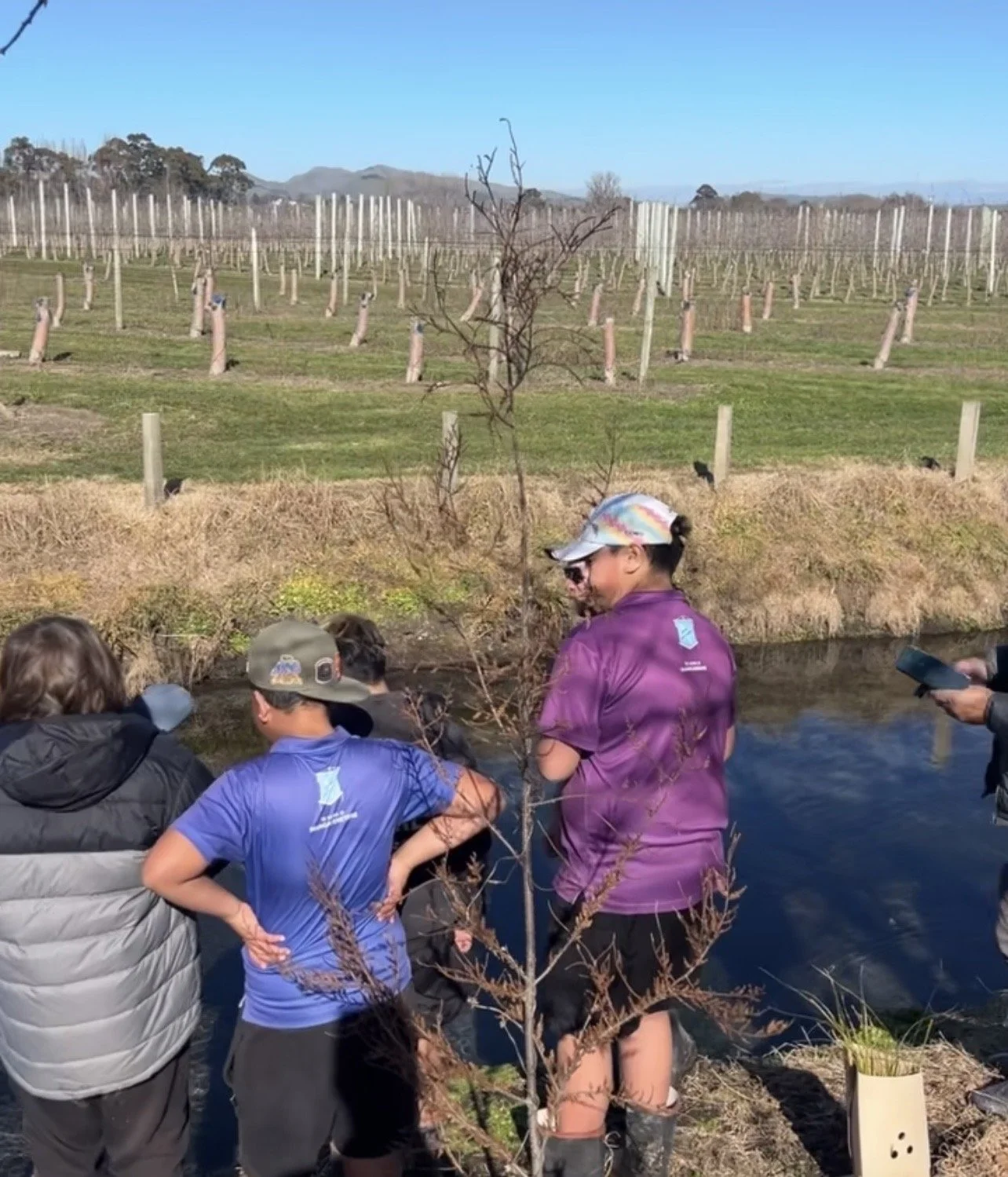
A good place to start.
Choose one section of stream and monitor it regularly, at the same spot and in similar conditions. Over time those observations tell the story of your waterway and show where restoration is needed most.
Who can help, and what's allowed.
Most streams in the catchment run through privately owned land, so supporting landowners is a big part of this work. We encourage natural streambank stabilisation through native planting, and support the ongoing care of restored waterways.
Hastings District Council
Manages the Karamū-Heretaunga Network streams, part of the urban stormwater and flood management system, including five flood detention dams. HDC also carries out improvement works to enhance stream environments and manage the effects of urban development on water quality and quantity.

Hawke's Bay Regional Council
Holds regional regulatory responsibilities under the Resource Management Act 1991, covering water takes, discharges, earthworks, vegetation clearance and activities in or around waterways. HBRC also assesses significant flood hazards.
Healthy waterways rely on landowners, mana whenua, community and councils working together.
Karamū Collective
That’s us
A community-led, not-for-profit connecting people, knowledge and resources. We bring people together, identify opportunities, support restoration and help secure funding and expertise. Our role is to bridge the gap between strategy and action.
What am I responsible for?
As a landowner, you are generally responsible for routine maintenance of drains, streams and waterways running through or alongside your property. That includes keeping them clear of obstructions that could restrict flow, such as fallen trees or accumulated debris.
If you come across something you cannot safely or practically resolve yourself, contact your local council for advice as soon as possible.
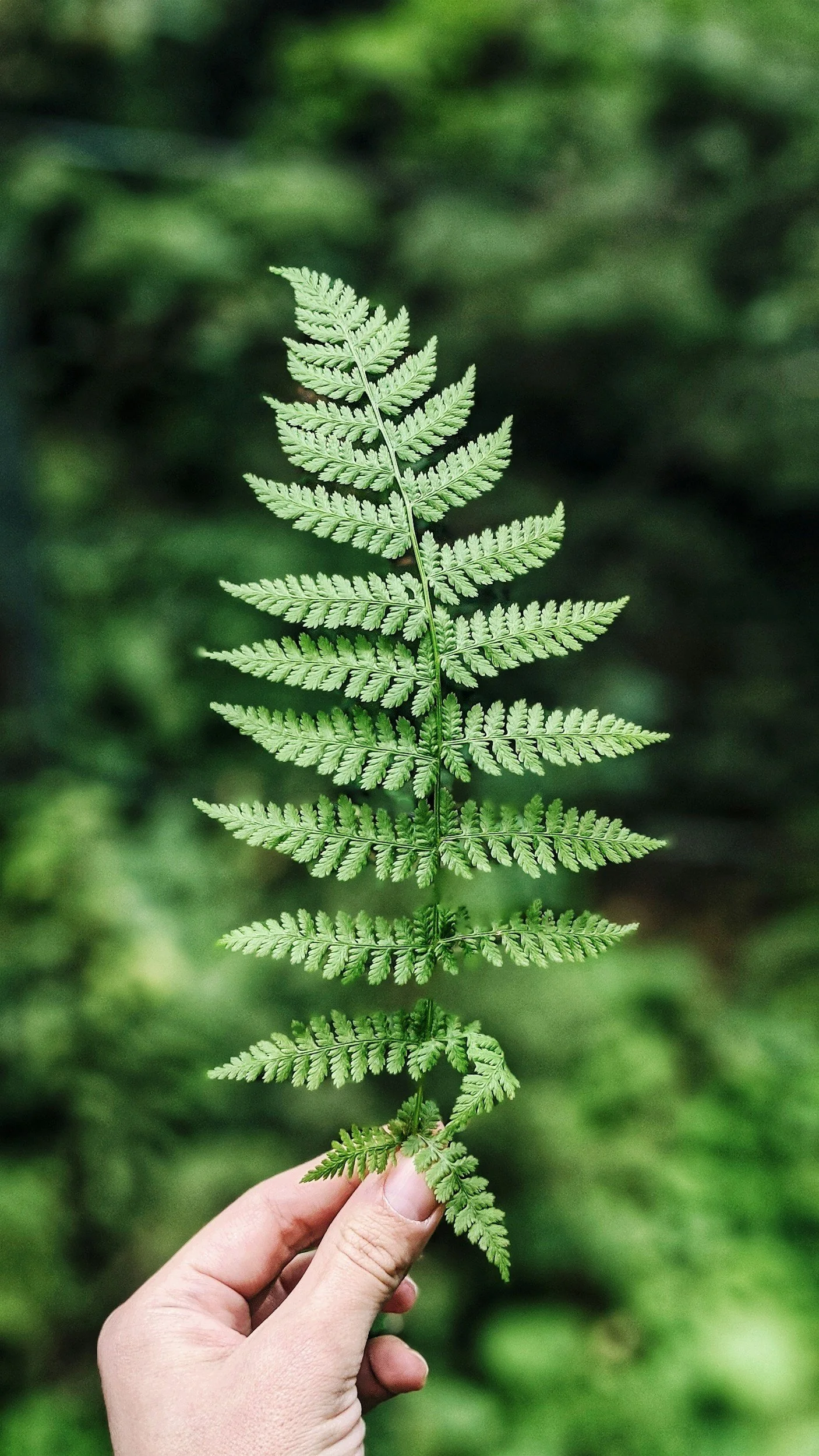
Who to call when you're doing the work
Nurseries, fencing contractors, eDNA labs, planting crews and freshwater specialists. The suppliers our members actually use.
Watch and learn about Freshwater in Hawkes Bay
Short videos from people who do this work every day.
Guides to download
Freshwater FAQs
-
Small, practical changes make a meaningful difference. Depending on your property and the condition of your waterway, consider excluding stock, fencing stream margins, establishing appropriate native riparian planting, controlling pest plants and animals, maintaining wetlands and protecting existing native vegetation.
Every waterway is different, so the best approach depends on your site conditions, land use and restoration goals.
-
Riparian planting means establishing vegetation along the margins of streams, rivers and wetlands. Those planted areas filter runoff, trap sediment, stabilise banks, provide shade and create habitat for native birds, insects and freshwater species. Well-designed corridors also connect isolated areas of native vegetation, creating pathways for wildlife across the landscape.
Species choice and planting density matter. Overplanting or choosing unsuitable species can affect stream flow, shading and bank stability, so a planting plan should consider the natural characteristics of the waterway.
-
Environmental DNA is genetic material that organisms leave behind in their environment, including in water. By collecting a sample and analysing it in a laboratory, scientists can detect evidence of species living in or passing through a waterway.
It can identify native fish, introduced species and other aquatic life that are hard to observe directly. It is a useful monitoring tool, though detecting DNA does not tell us how many individuals are present or whether a population is established.
-
If you notice unusual discolouration, an oily film, significant sediment, chemical smells, dead fish or an unexpected discharge, report it promptly. Hawke's Bay Regional Council responds to many freshwater pollution and environmental incidents. If there is an immediate risk to people, contact emergency services.Where it is safe to do so, record the location, time and what you saw. Photographs help with an initial assessment. Avoid entering or disturbing potentially contaminated water.
-
You don't have to work it all out yourself. We can connect you with practical advice, local expertise, restoration opportunities and potential funding support.
Whether you're considering fencing a stream, restoring a wetland, undertaking riparian planting or simply wanting to understand the health of your waterway, we're happy to help you work out where to start.
-
A catchment is an area of land where rainfall collects and drains into a shared network of streams, rivers, wetlands and other waterways. Everything that happens on the land can influence the health of the water flowing through it.
The Karamū catchment covers approximately 96,920 hectares across the Heretaunga Plains and surrounding landscapes, made up of [14] sub-catchments. From rural properties and wetlands to urban streets and waterways, we're all connected through the same freshwater system.
-
Freshwater management here is guided by national legislation, regional rules and district council requirements. Nationally, the Resource Management Act 1991 and the National Policy Statement for Freshwater Management provide the overarching framework, and the National Environmental Standards for Freshwater set requirements for certain activities affecting wetlands, rivers and other freshwater environments.
In this catchment, HBRC is responsible for regional freshwater management, including rules on water takes, discharges, earthworks, vegetation clearance and activities in or around waterways. HDC has responsibilities for land use, stormwater infrastructure, drainage and flood management.
Rules vary by waterway, location, activity and property. Some activities are permitted subject to conditions, others need resource consent. If you're planning work near a stream, wetland or river, check the rules before you start. That includes fencing, planting, removing vegetation, earthworks, diverting water and maintenance.
Not sure where to start?
Tell us about your waterway and we'll point you to the right advice, people and funding.