For landowners
Support for farmers, growers and landowners.
You know your land better than anyone. We help you do more with it, with funding, advice and people who have done it before.
What we do for landowners & Farmers
We're a locally led network across the 14 sub-catchments of Te Karamū. For farmers, growers and landowners, that means three practical things.
We help you find and secure funding, so the upfront cost of fencing, planting or wetland work isn't what stops you. We connect you to council ecologists and technical experts, so the work is done once and done right. And we put you alongside other landowners doing the same thing, so you learn from their mistakes rather than repeating them.
Membership is free. There's no obligation attached, and nothing you share with us is passed to a regulator.
The catchment you farm in
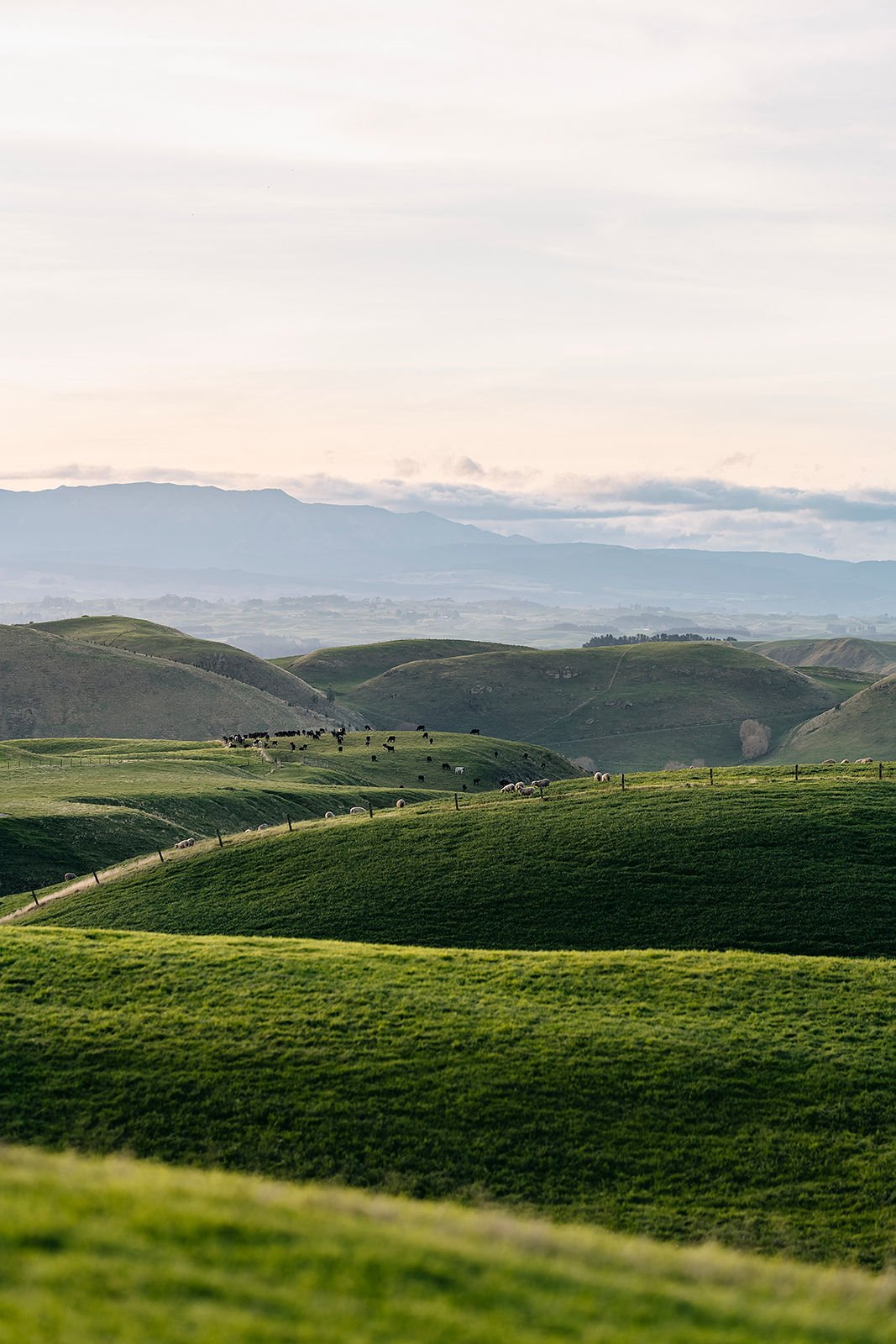
The Greater Karamū covers 96,920 hectares. Sheep and beef is the single largest land use at 18,368 hectares, followed by orchards, vineyards and other perennial crops at 7,418 hectares, and short-rotation cropland at 6,026 hectares.
In other words, this catchment is farmed. Any environmental gain here has to work on productive land, which is exactly why the projects we back are designed with growers and farmers rather than for them.
Support available to you
-
Help finding and applying for funding
We know which funds are open, what they'll cover and what a strong application looks like. We'll help you write it, and we'll tell you honestly if your project isn't a fit for a particular fund.
-
Co-investment in the work
On many projects we co-invest alongside funders and landowners, which lowers the share you carry. The Waipuna wetland, for example, was funded 50% by Hawke's Bay Regional Council and 50% by the Collective
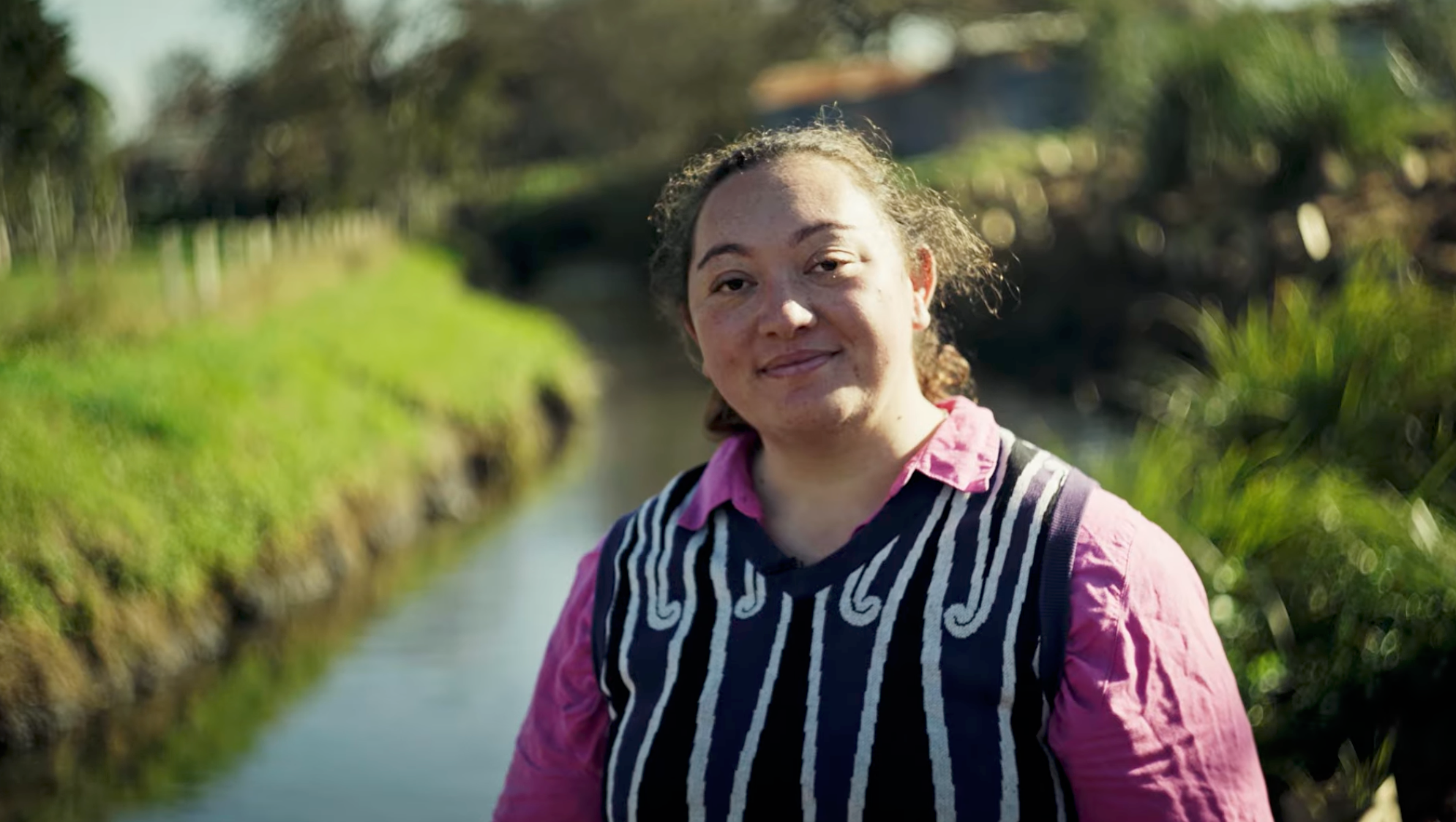
-
Technical and ecological advice
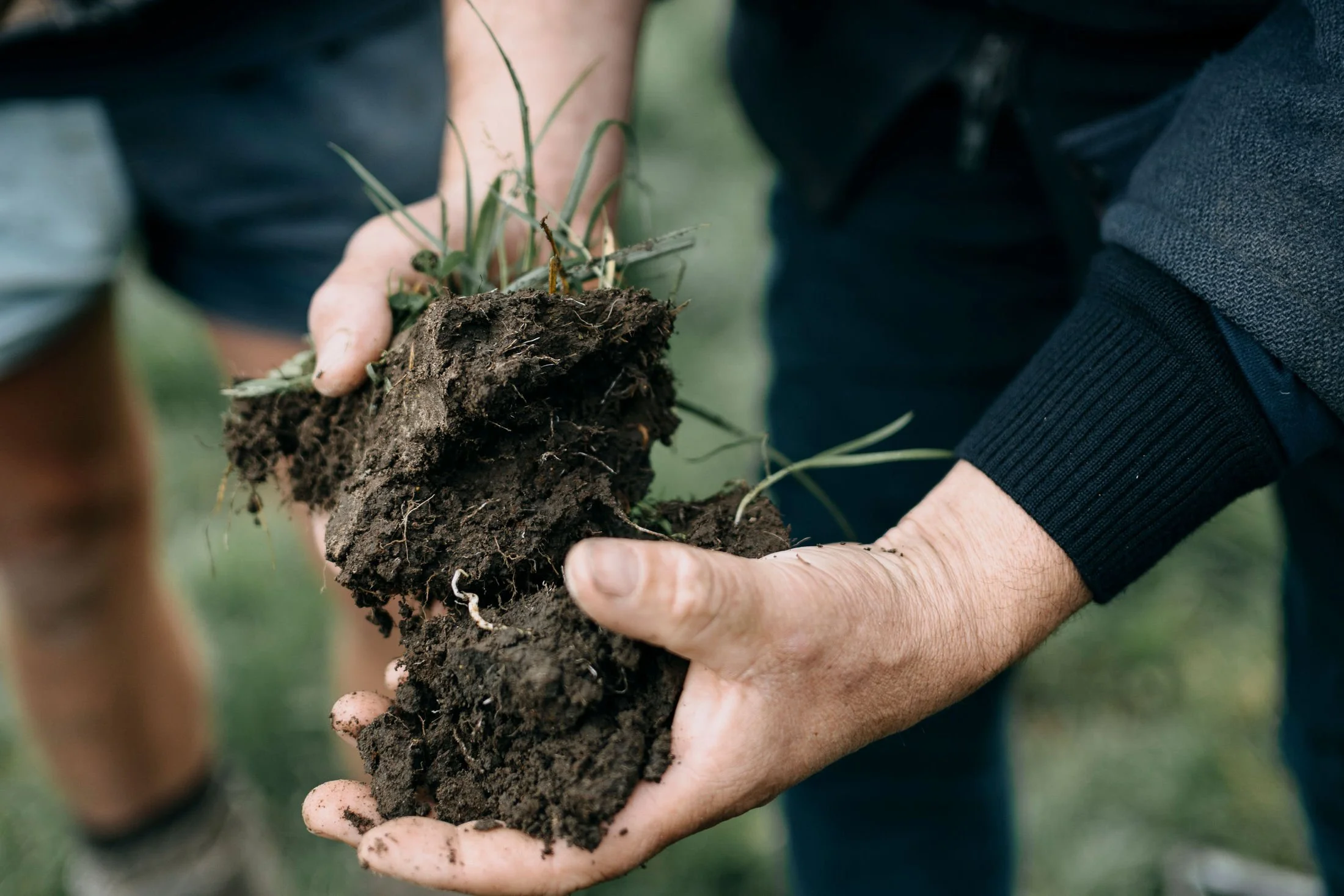
Access to council ecologists and technical experts on planting lists, wetland design, fencing setbacks and what will actually survive on your site.
-
Field days and farmer-led workshops
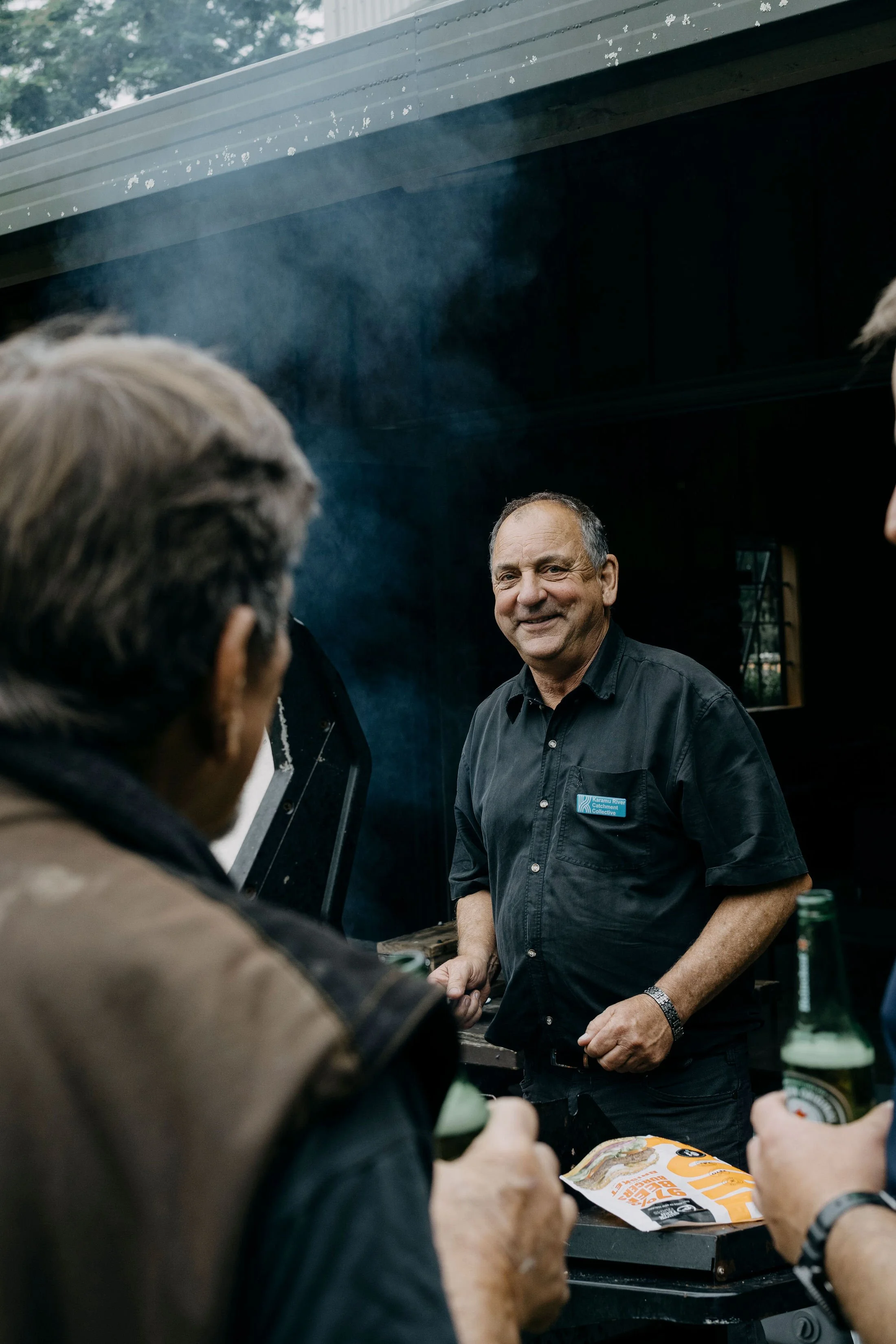
On real properties, with the people who did the work. What it cost, what went wrong, what they'd do differently.
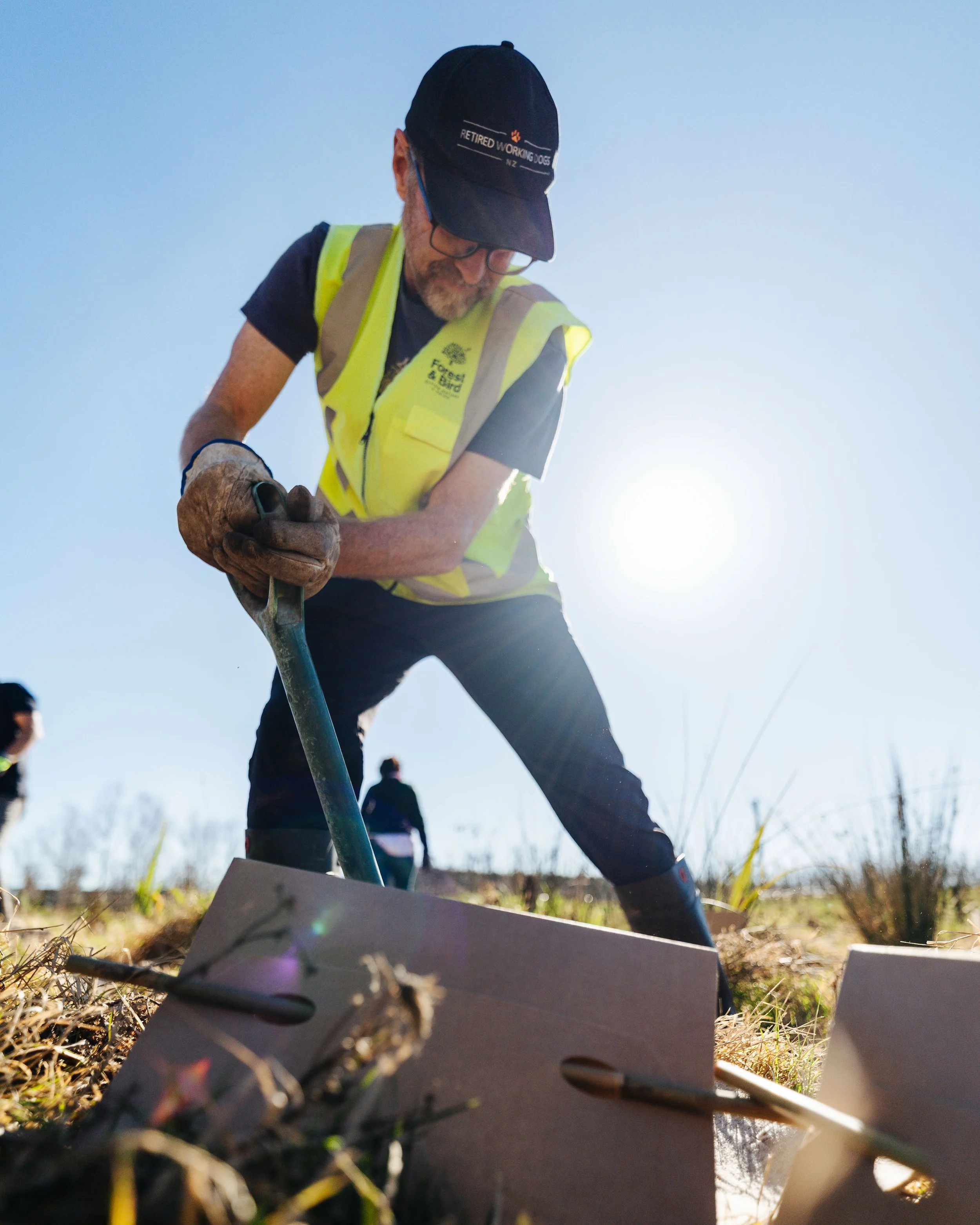
-
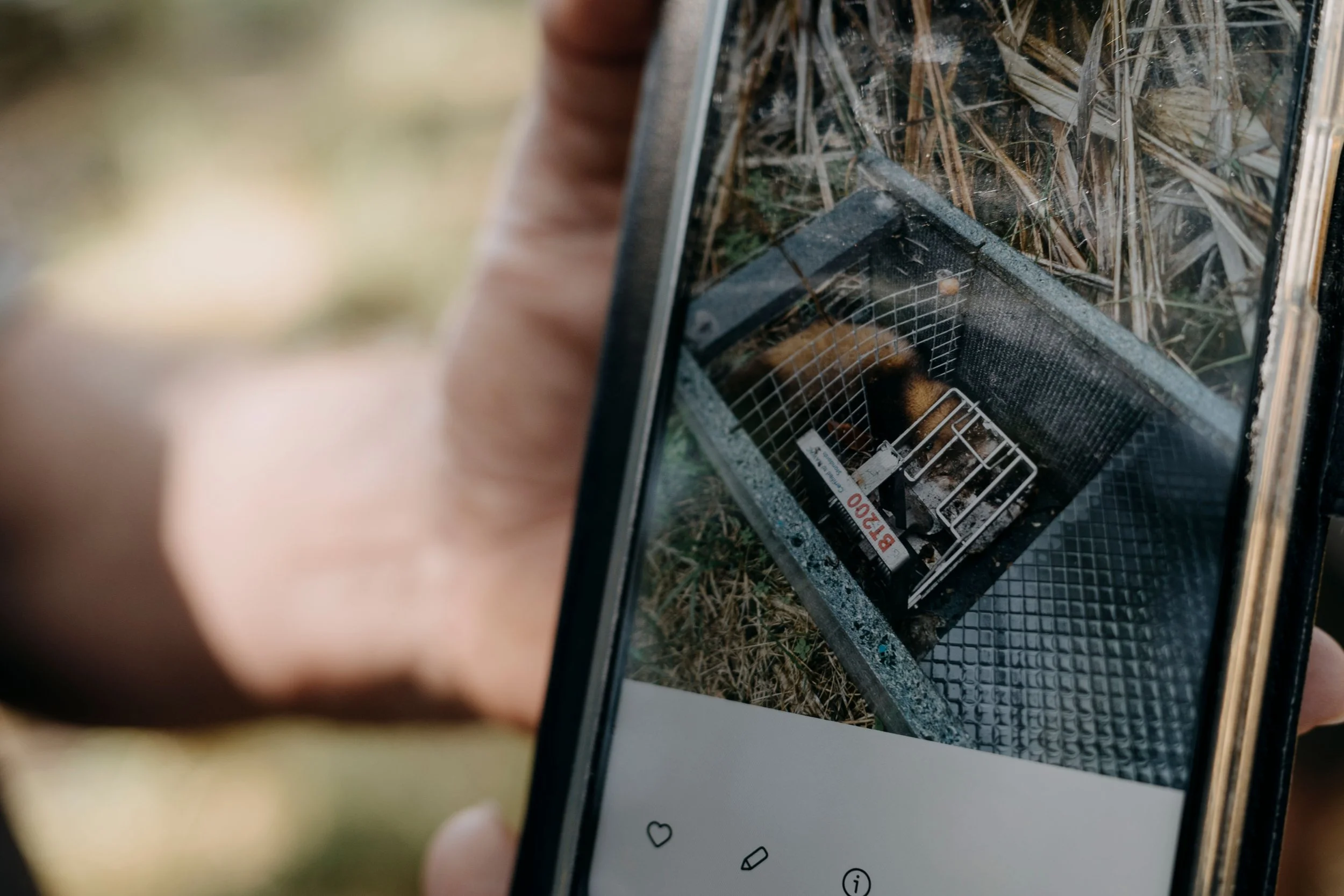
Monitoring and data for your place
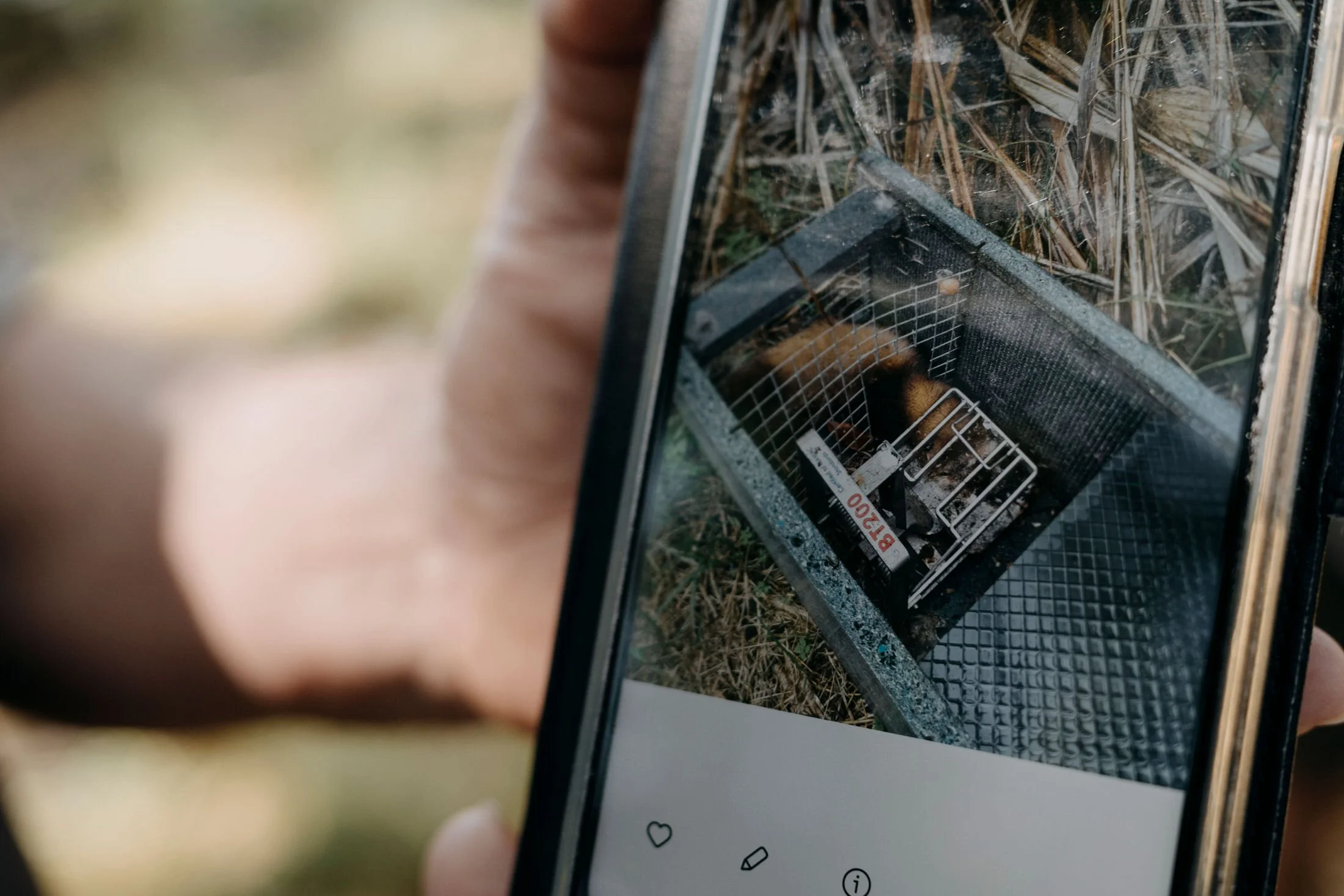
Water quality results, eDNA, bird and trap records, so you can see whether what you're doing is working rather than hoping it is.
-
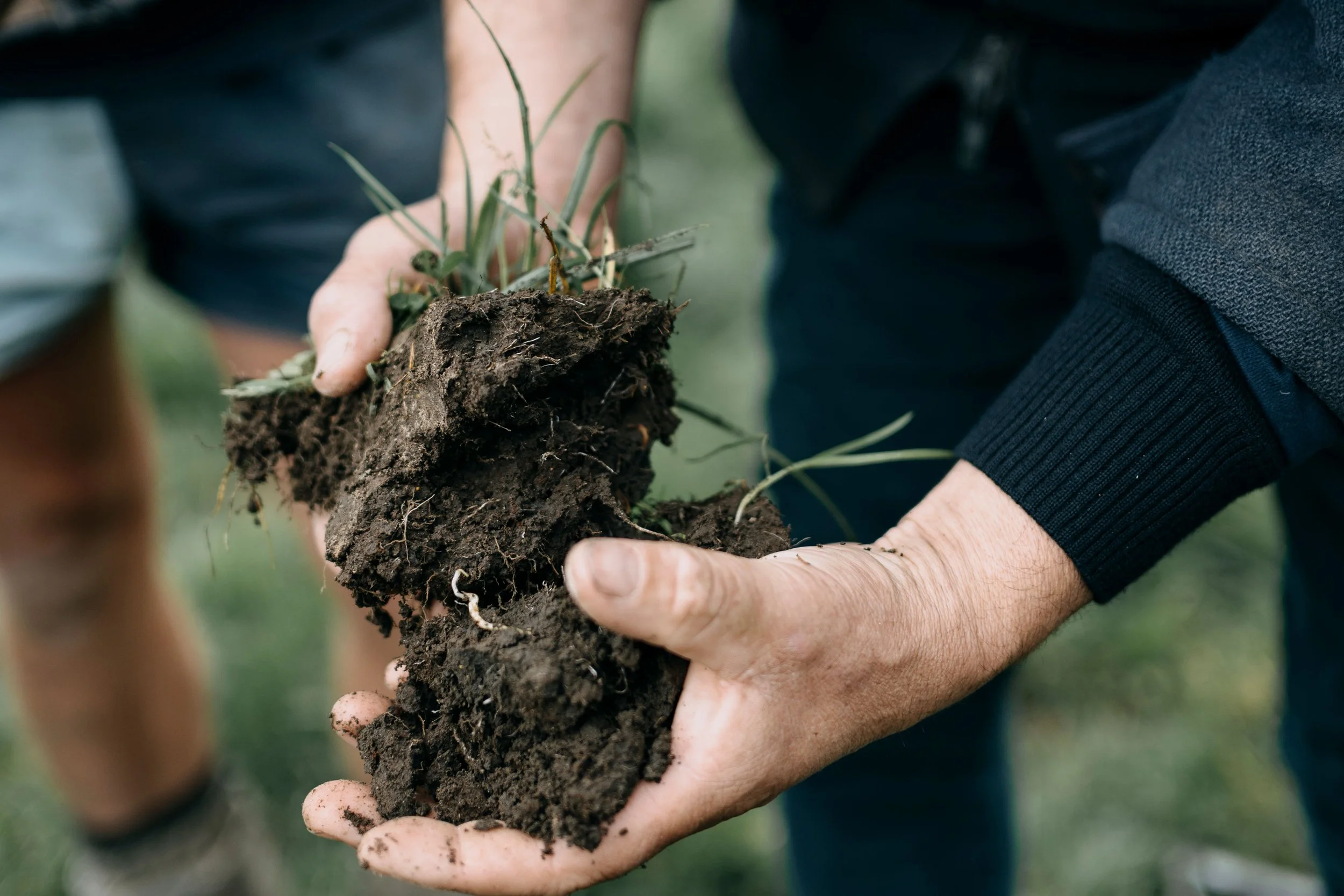
Connection to your local group
Every sub-catchment has its own group and priorities. Your neighbours may already be working on the same stream.
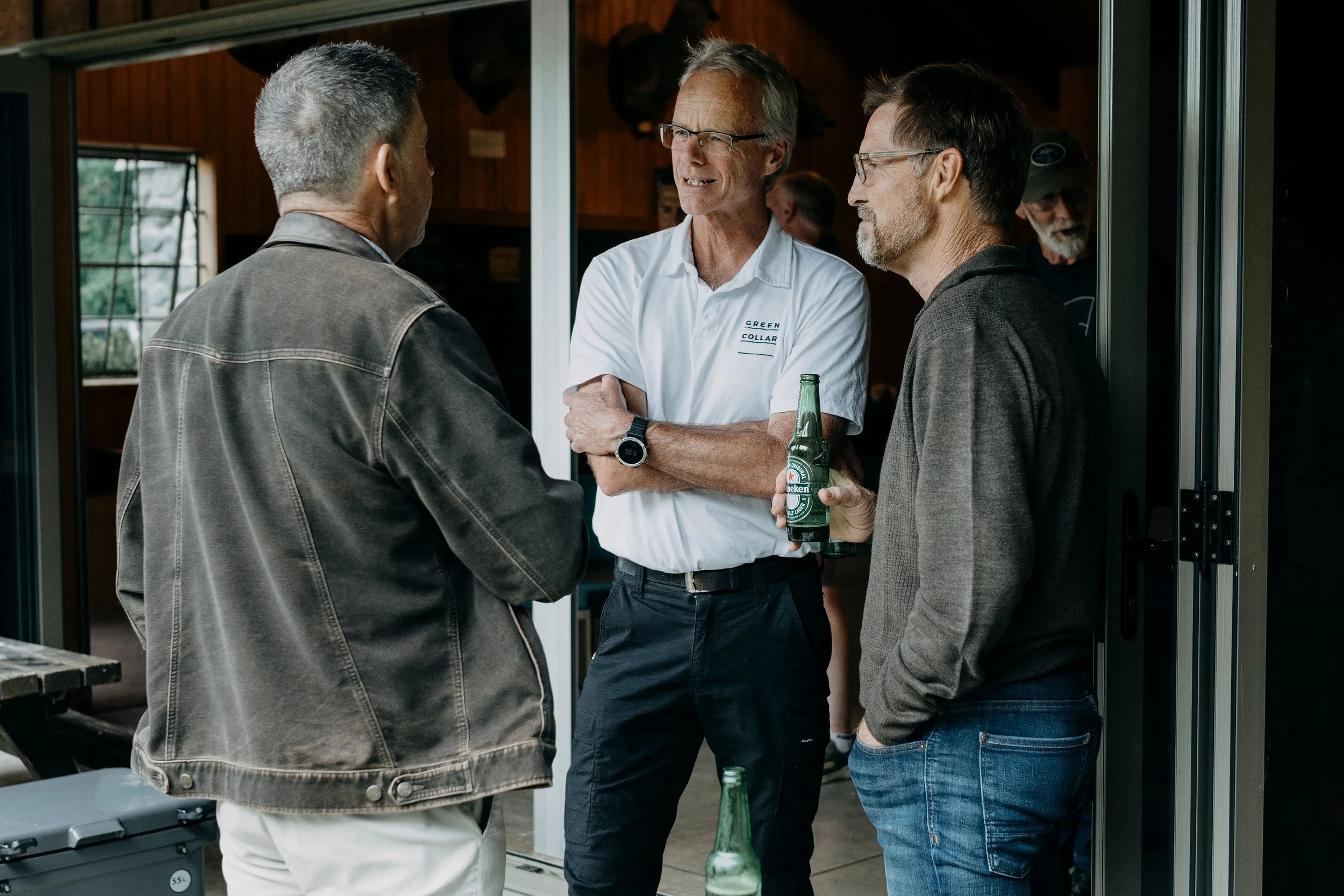
Have a chat.
Tell us what you're thinking about, or what's been bugging you about a paddock for years. No commitment, no cost.

How it works
We help you plan it.
We bring in the technical advice, work out a realistic scope and identify the funding that fits.
We help you do it.
Applications, contractors, planting days, volunteers and monitoring once it's in. You're not left holding it alone.
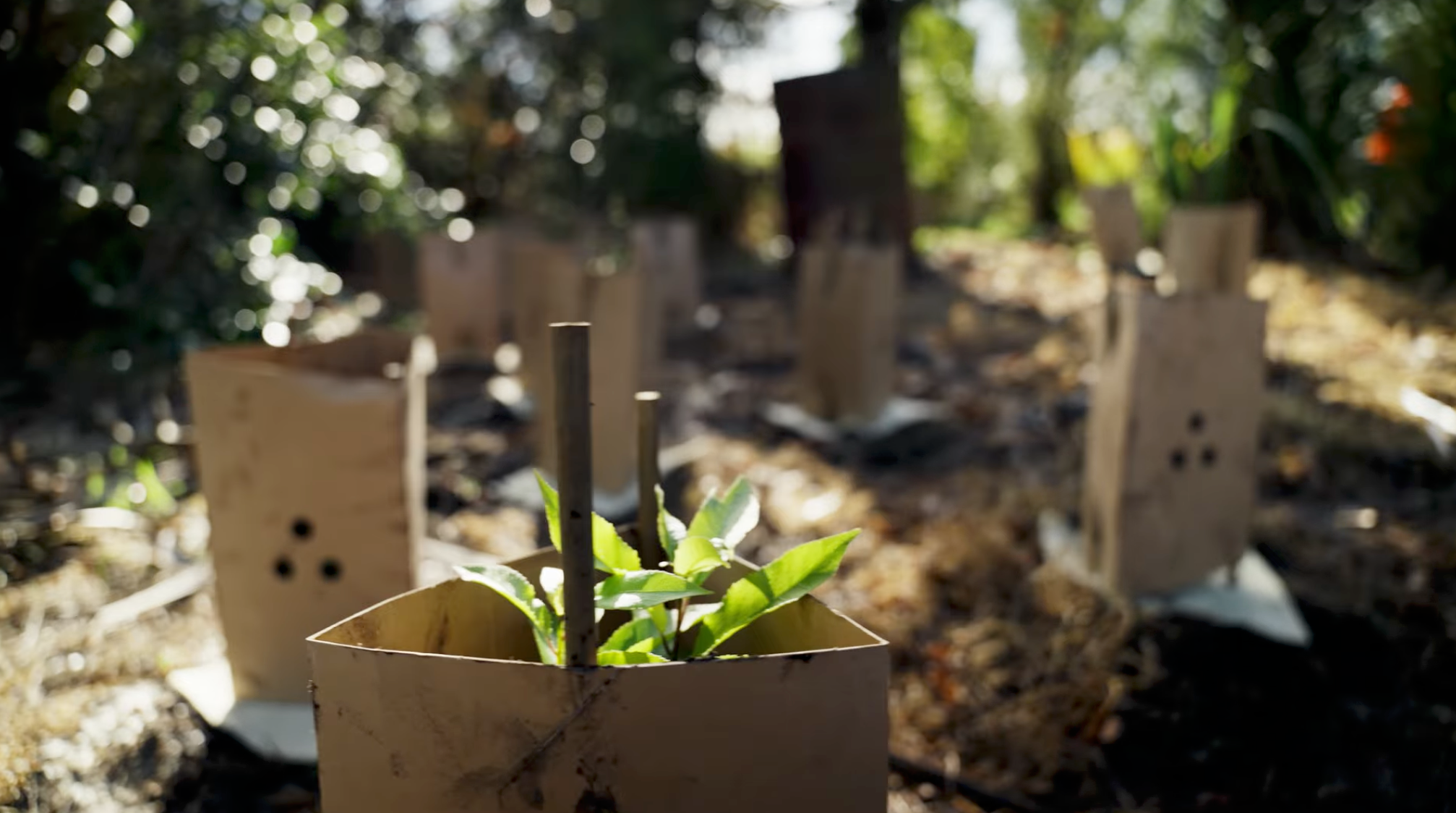
Recent Projects
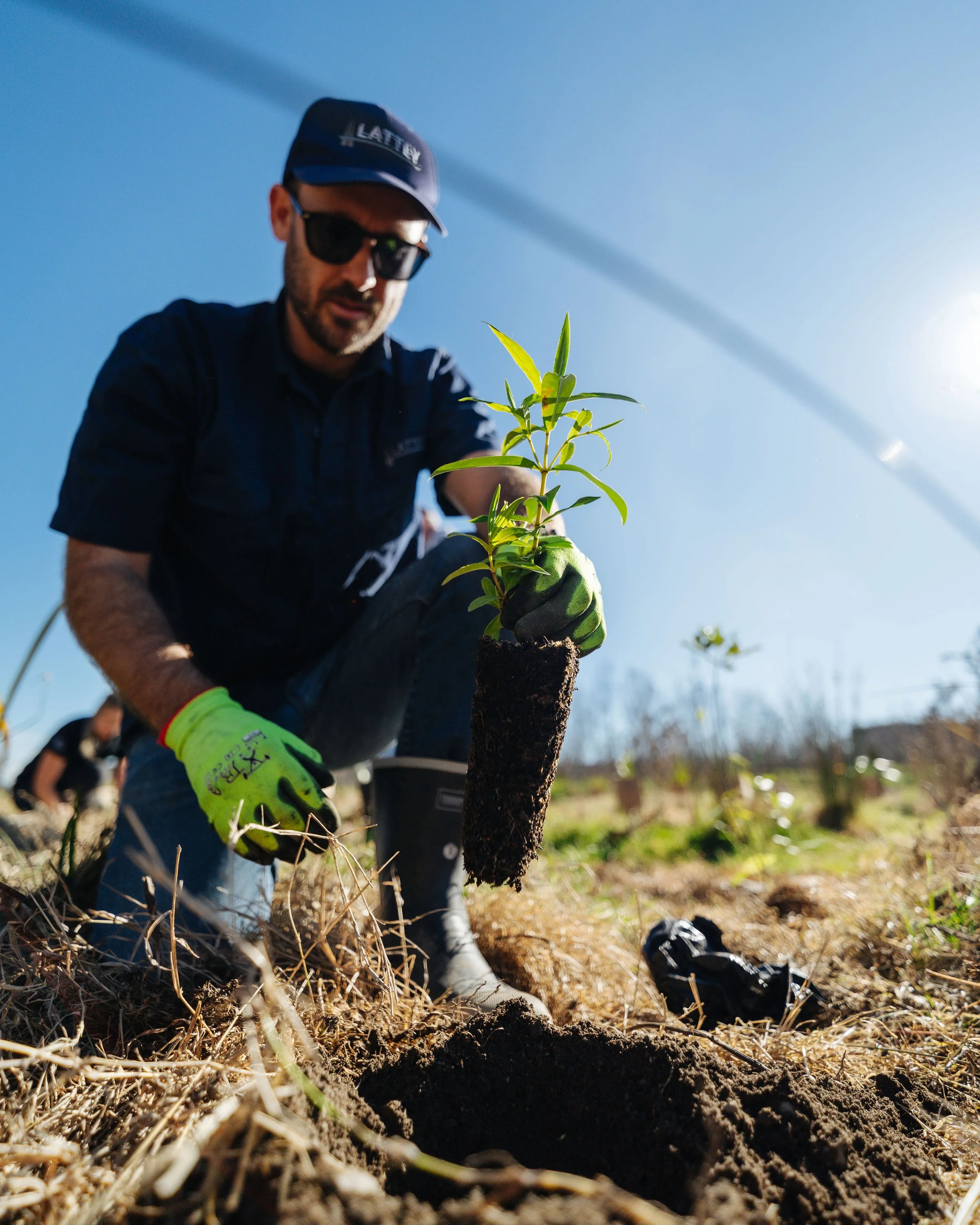
Recent work with landowners
Freshwater & Wetlands
Waipuna Wetland Restoration, Havelock North

Predator Free Te Karamū
Karamū Trapping Collective
Local Businesses
Irongate Collective
Questions landowners ask us
-
Nothing. Membership is free, and it gives you access to resources, funding opportunities, workshops and field-based learning.
-
No. Plenty of members join to keep an eye on what's happening and come to the odd field day. You take part in what's useful to you.
-
It depends on the work. Our own funding comes through MPI, grants, sponsorship and project co-funding, and we also help members access regional and national funds for fencing, planting, wetlands and biodiversity. The best first step is a conversation about what you want to do.
-
That varies by project and fund. On some projects we co-invest directly. At Waipuna, for example, the work was funded 50% by Hawke's Bay Regional Council and 50% by the Collective, with in-kind labour from the community on top.
-
Yes. A catchment is the sum of a lot of small actions, and small sites are often where the quickest gains are. Lifestyle blocks, one wet corner and a single stream margin all count.
Working together with