Project
Karamu Trap Library
Repurposing orchard posts for deer fencing a QEII wetland covenant
At a glance
-
Awanui
-
Karamū Collective
-
Underway
-
MPI & Freshco
-
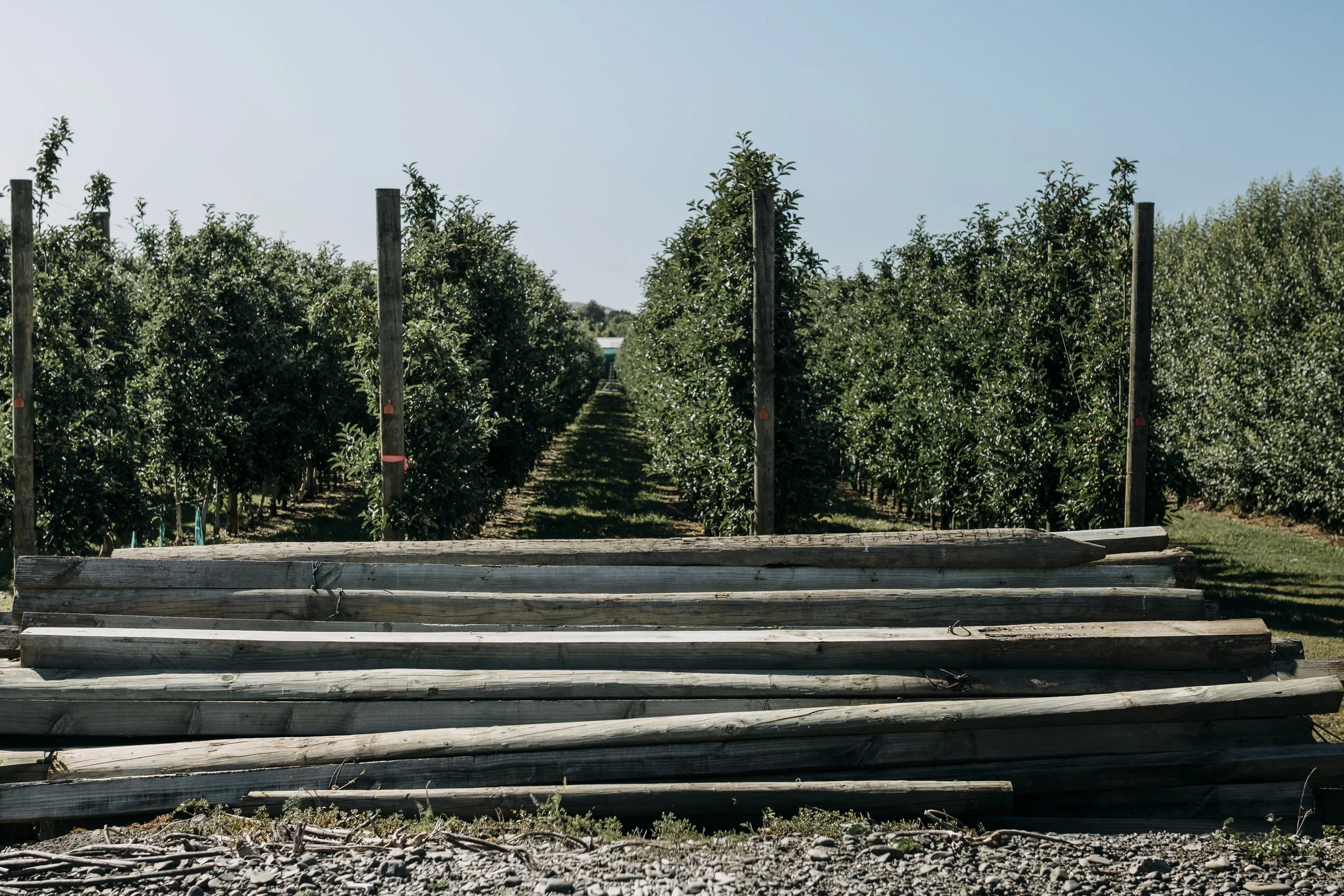
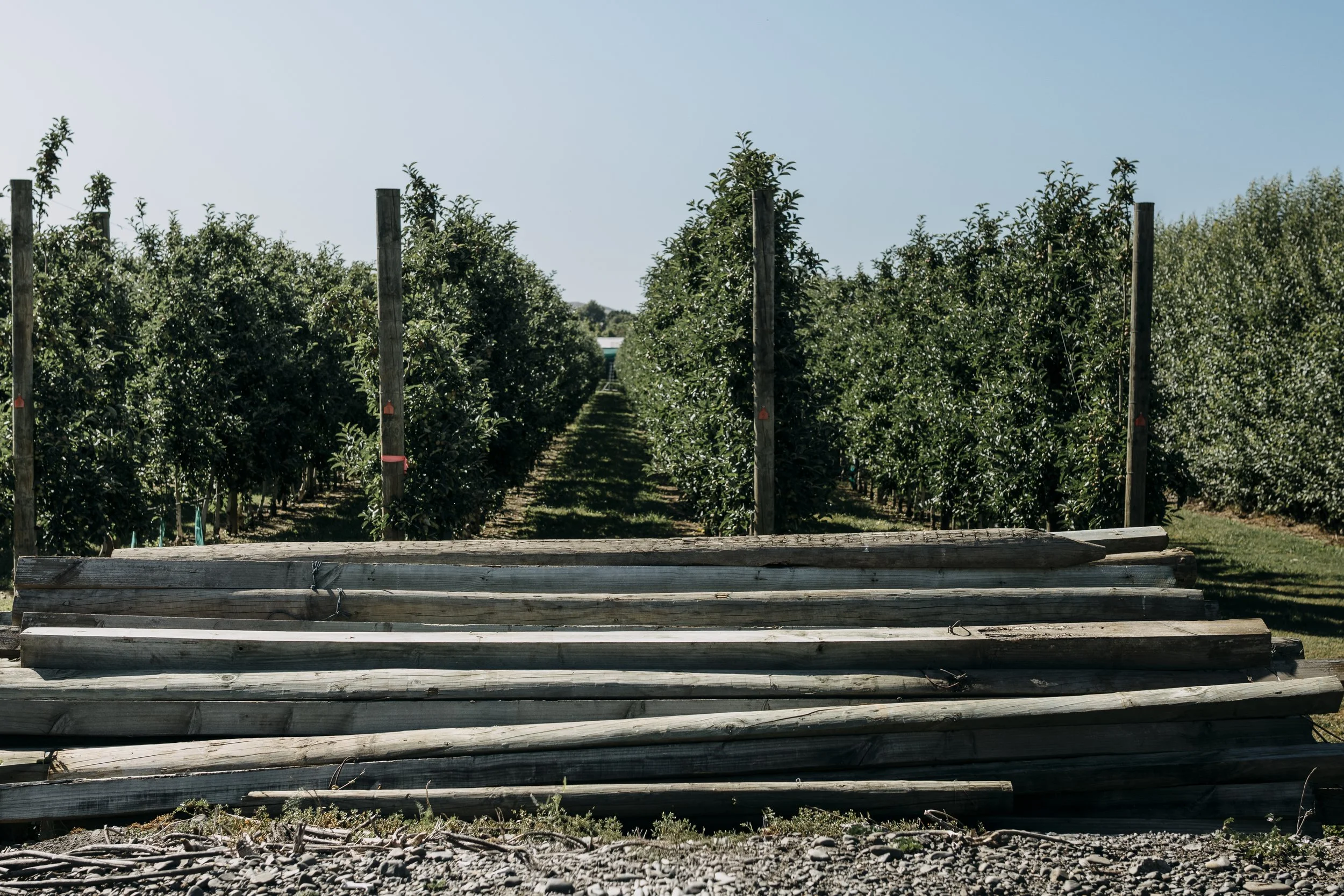
Across the Karamū catchment, thousands of orchard and vineyard posts eventually reach the end of their productive life. While they are no longer suitable for horticultural use, many still have decades of structural life remaining. Instead of becoming waste, these materials are an untapped resource that could help solve one of the biggest challenges facing ecological restoration: cost.
As restoration efforts expand across productive landscapes, the cost of protecting biodiversity continues to rise. Deer exclusion fencing is one of the most effective ways to protect native vegetation from browsing ungulates, but the infrastructure required can place restoration out of reach for many landowners and community groups.
This project asks what if yesterday's orchard posts could become tomorrow's conservation infrastructure?
By repurposing retired orchard and vineyard posts into affordable deer exclusion fencing, we're testing a practical circular economy solution that keeps valuable materials in use while reducing the cost of restoration. If successful, this approach could make biodiversity protection more affordable, scalable and accessible for everyone.
It's an opportunity to turn a local waste stream into a local conservation solution reducing environmental impact, lowering costs, and helping more restoration projects happen where they are needed most.
-
This project is about proving that innovation and collaboration can make ecological restoration more accessible, more affordable, and ultimately more achievable.
If we can reduce the cost of protecting restoration sites without compromising ecological outcomes, the benefits extend far beyond a single property. Every dollar saved on infrastructure is a dollar that can be reinvested into native planting, weed control, predator management, and the long-term stewardship that healthy ecosystems require.
It also demonstrates how productive landscapes and environmental restoration can work hand in hand. By giving retired orchard and vineyard posts a second life, we're embracing a circular economy keeping valuable resources in use, reducing waste, and creating solutions that benefit both the environment and the local economy.
Most importantly, this project has the potential to become a model for others. If successful, the approach could be adopted by landowners, catchment groups, councils, and restoration organisations across New Zealand, helping stretch limited conservation funding further while accelerating biodiversity restoration where it is needed most.
Sometimes the biggest environmental gains don't come from spending more, they come from thinking differently.
-
This project aims to better understand whether reused orchard posts can provide an affordable and scalable alternative to conventional deer exclusion fencing for biodiversity protection. Expected learnings will include:
Whether recycled materials can achieve comparable biodiversity protection outcomes to conventional QEII-standard fencing systems
The extent to which this model is financially viable and replicable for other landowners, catchment groups, councils, and biodiversity restoration projects
Genuine insights into installation methods, labour costs, construction challenges, durability, and ongoing maintenance needs
How material reuse can contribute to reducing waste and supporting lower-carbon restoration approaches within rural landscapes
The project will assess whether the fencing system can deliver the same level of protection as conventional deer fencing while reducing material costs and environmental footprint. Alongside this, we'll evaluate its practicality and long-term viability on farm.
-
Success looks like a fencing solution that makes environmental improvements more achievable for farmers while delivering measurable benefits for freshwater and biodiversity.
It looks like clear evidence showing whether repurposed horticultural materials can provide affordable and scalable alternative to conventional fencing systems.
It also looks like a better understanding of farmer experiences and identifying what support, tools, and approaches can help increase adoption of stock exclusion practices across the catchment.
Ultimately, success is a practical, farmer-led model that can be shared beyond the Karamū catchment, helping other rural communities overcome similar barriers and accelerate freshwater and nature-based outcomes across the landscape.
By combining innovation, research, and collaboration, this project aims to demonstrate that environmental progress is possible when solutions are designed alongside the people delivering them.
-
This project is funded by the Karamū River Catchment Collective with support from the Ministry for Primary Industries (MPI) enabling delivery, testing, and evaluation of this innovative restoration approach.