
.
.
A striking native plant with a fight for survival
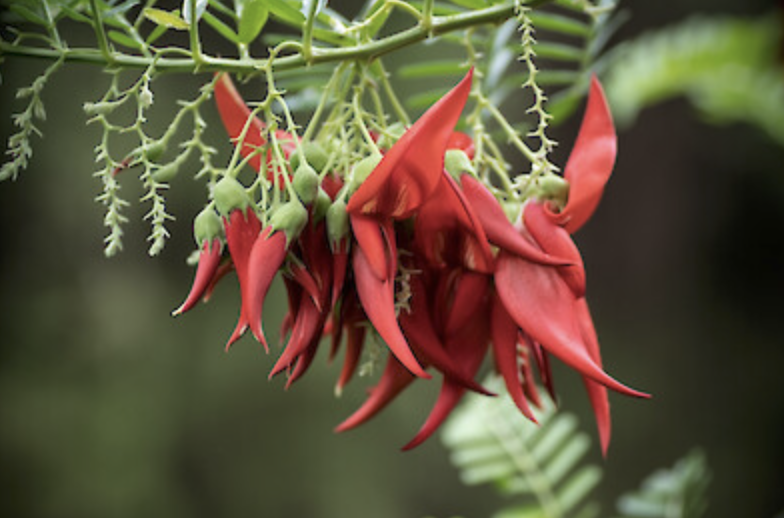
Kākābeak, also known as Ngutukākā (Clianthus maximus), is a plant of special significance in Aotearoa. With beautiful red, pink or, more rarely, white flowers shaped like the beak of a kākā, it is one of our most distinctive native plants. Māori traditionally used Kākābeak for gifting and trading, adornment and as a food source.
Despite its beauty and cultural significance, Ngutukākā is nationally critical and seriously threatened with extinction in the wild. Only around 100 known wild plants remain.
Wild Ngutukākā grows in open, sunny, steep places, often on rocky outcrops, slips, cliff bases and the edges of lakes and streams. It can grow up to 2–3 metres tall and typically lives for 15–20 years. As a member of the pea family, it fixes nitrogen, allowing it to grow in relatively infertile sites.
Kākābeak has been widely grown in gardens and nurseries for more than a century. However, there are concerns about the genetic diversity of cultivated plants and whether nursery-bred plants can successfully survive if reintroduced into the wild.
The Urban Kākābeak Project
The Urban Kākābeak Project is helping secure a future for Ngutukākā by building a protected urban population. Its work focuses on:
Collecting and propagating wild-sourced genetics and establishing them in secure locations for the future.
Encouraging more Kākābeak enthusiasts, growers and volunteers to propagate and distribute the plant.
Raising awareness of the importance of preserving wild-sourced genetics rather than relying solely on nursery-bred stock.
Maintaining the genetic integrity of the plant so it is better equipped for eventual reintroduction into the wild.
The project has received funding and support from Pan Pac Environmental Trust, Plant Hawke's Bay Nursery, Ngāti Pāhauwera Development Trust, Biodiversity Hawke's Bay, DOC, Forest Lifeforce Restoration Trust, RedAxe Forestry Intelligence and Rockwell Automation. Hawke's Bay Regional Council and Napier City Council are also involved.
Only around 100 known wild Ngutukākā remain. Protecting the genetic diversity of this remarkable plant is vital to giving it a future in the wild.
Why is Ngutukākā disappearing?
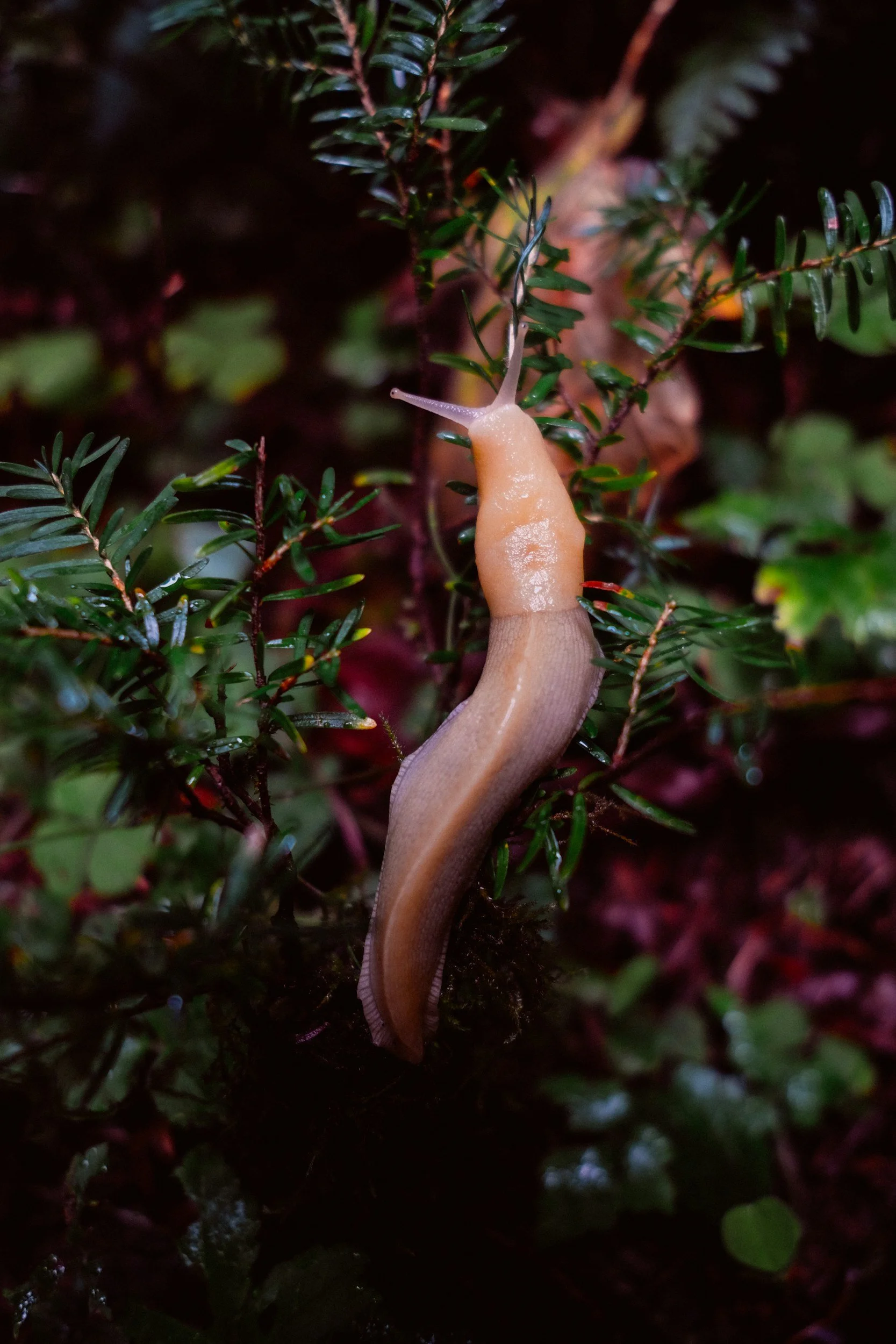
One of the biggest challenges facing Ngutukākā is that it is highly palatable. Its nutritious foliage makes it vulnerable to browsing by deer, goats, pigs, hares and livestock. Slugs and introduced garden snails also pose a significant threat. Thankfully, possums do not browse the plant.
The Ngutukākā Recovery Group, led by the Department of Conservation (DOC), works to protect known wild plants, find and strengthen new populations, and ultimately re-establish Ngutukākā in its natural habitat.
Establishing secure populations of wild-sourced plants in protected locations, including urban areas free from goats and deer, is an important part of preserving the plant's genetic diversity.
The Urban Kākābeak Project
The Urban Kākābeak Project is helping secure a future for Ngutukākā by building a protected urban population. Its work focuses on:
Collecting and propagating wild-sourced genetics and establishing them in secure locations for the future.
Encouraging more Kākābeak enthusiasts, growers and volunteers to propagate and distribute the plant.
Raising awareness of the importance of preserving wild-sourced genetics rather than relying solely on nursery-bred stock.
Maintaining the genetic integrity of the plant so it is better equipped for eventual reintroduction into the wild.
The project has received funding and support from Pan Pac Environmental Trust, Plant Hawke's Bay Nursery, Ngāti Pāhauwera Development Trust, Biodiversity Hawke's Bay, DOC, Forest Lifeforce Restoration Trust, RedAxe Forestry Intelligence and Rockwell Automation. Hawke's Bay Regional Council and Napier City Council are also involved.
Growing and caring for Kākābeak
Kākābeak prefers a sheltered position with part shade, rather than full, blazing sun. It often grows well against a fence or along the edge of other plantings, but still needs plenty of light.
Slug and snail control is essential. Regular slug baiting and night-time checks can help protect plants from browsing damage.
Collecting and returning seed
Wild-sourced seed is precious to the project. Seed pods are ready for collection when they dry out, turn brownish-black and split open, revealing two rows of seeds.
The project welcomes labelled wild-sourced seed, with the parent plant identified where possible (for example, Shines, Falls or Murphy Road).
Seed can be returned to:
Urban Kākābeak Project
64 Waghorne Street
Napier 4110
How you can help
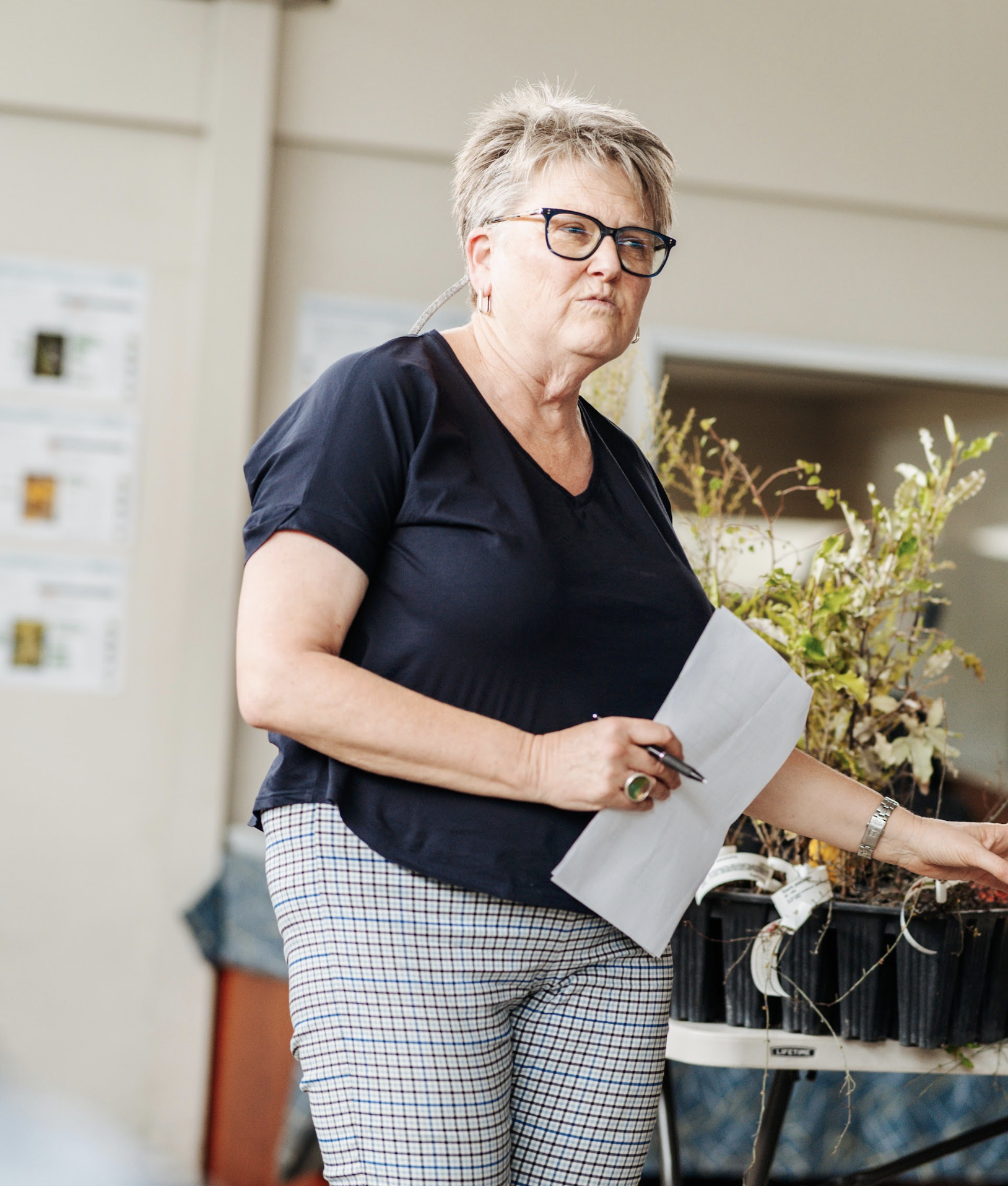
There are ways for everyone to contribute to the recovery of Ngutukākā. Whether you're interested in growing the plant, volunteering or learning more about its conservation, members of the Ngutukākā Recovery Group are happy to share advice on getting involved.
Join the Urban Kākābeak Project Group on Facebook or contact the project at redaxenz@gmail.com
