Trap Library
COMING OCTOBER 2026

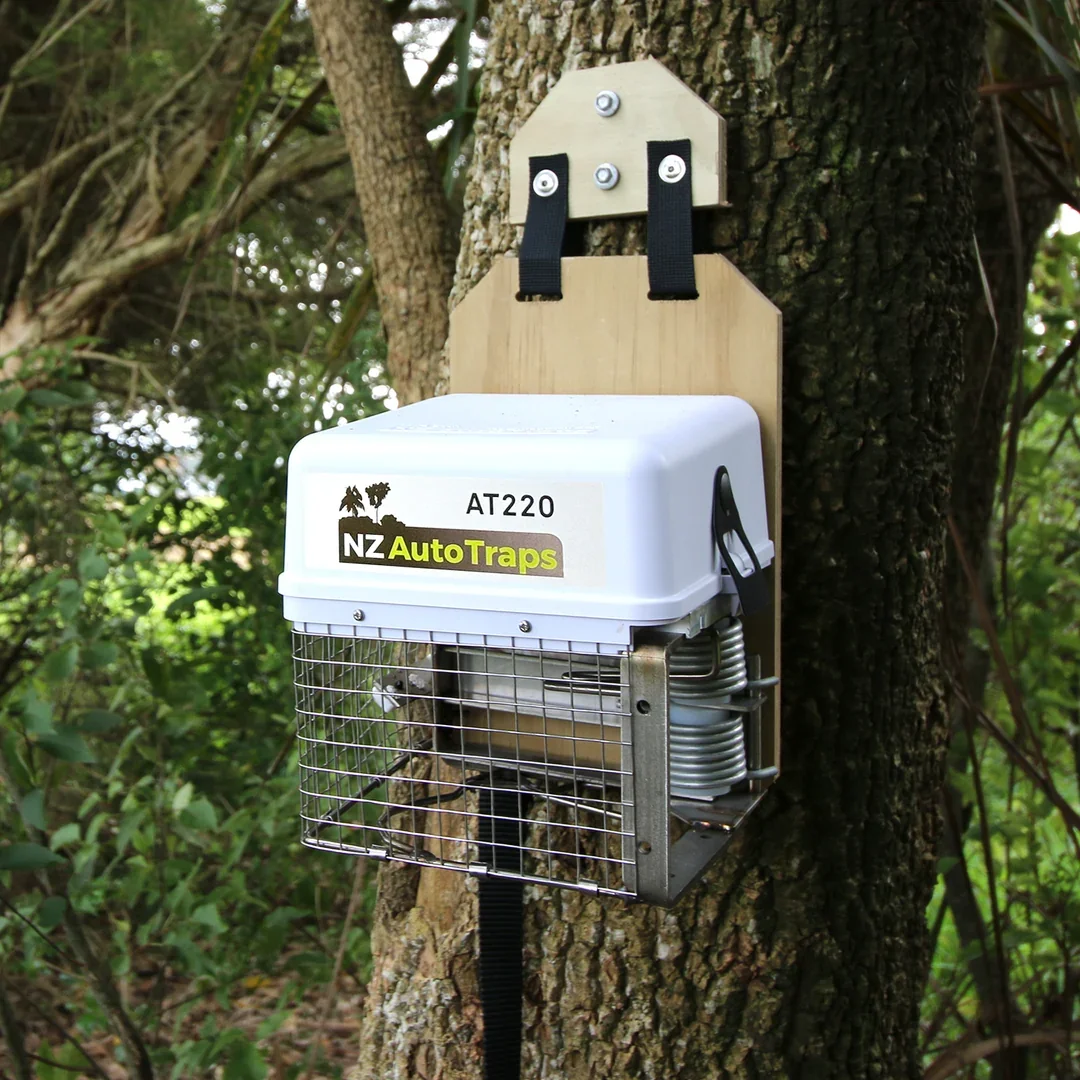
AT220
Best for: Possums & Rats with the occasional feral cat or mouse
Our set and nearly forget option. The AT220 is a self-resetting, self- rebaiting kill trap. It can run up to 100 cycles and needs checking only about every six months. It has passed NAWAC humane testing guidelines for possums and ship rats. It only operates at night, and its sensor switches it off if a microchipped domestic cat approaches.
How to use it
Screw it to an established tree and add a ramp so possums can reach it. Then insert the lure tube and connect the battery. Place it where pests already travel and feed, like fence lines, gullies and shelterbelts.
Safety first: never put your hand inside the trap body while the kill bar is raised, and carry it by the backboard. Treat it as live until it has been fired and the battery removed.
Batteries recharge overnight with a USB charger.
Expect carcasses to drop beneath the trap. Clear them regularly.
Resources:
Supplier: NZ Auto Traps
DOC200
Best for: Stoats, weasels, rats and hedgehogs
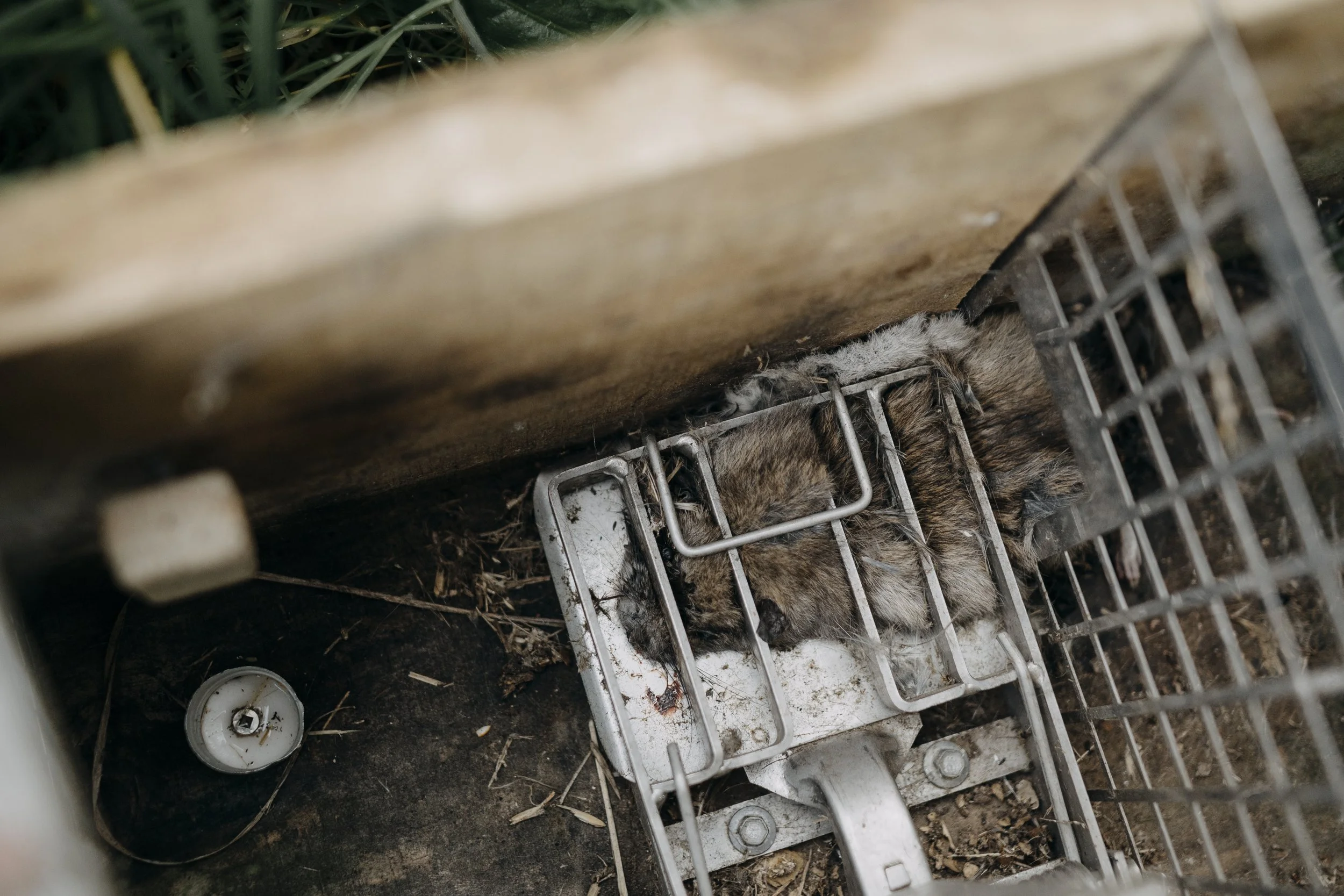
The trusted workhorse of NZ predator control. The DOC 200 has passed draft NAWAC guidelines as a humane kill trap for stoats, rats and hedgehogs. It lives inside a purpose-built wooden tunnel that guides target predators in and keeps native birds, pets and people out.
How to use it
Always wear gloves when setting traps and handling catches.
Bait with fresh eggs for stoats and hedgehogs, or peanut butter for rats. Fresh rabbit and salted rabbit also work for stoats.
Set traps along natural travel routes such as waterways, fence lines, tracks and habitat edges.
Number each trap and keep a record of where and when you set it. Check regularly, re-bait at every visit and make sure the trap is still working.
Always use the safety catch when setting, testing or cleaning.
Resources:
Supplier: The Pa
Live Cat Trap Tunnel
Best for: Cats
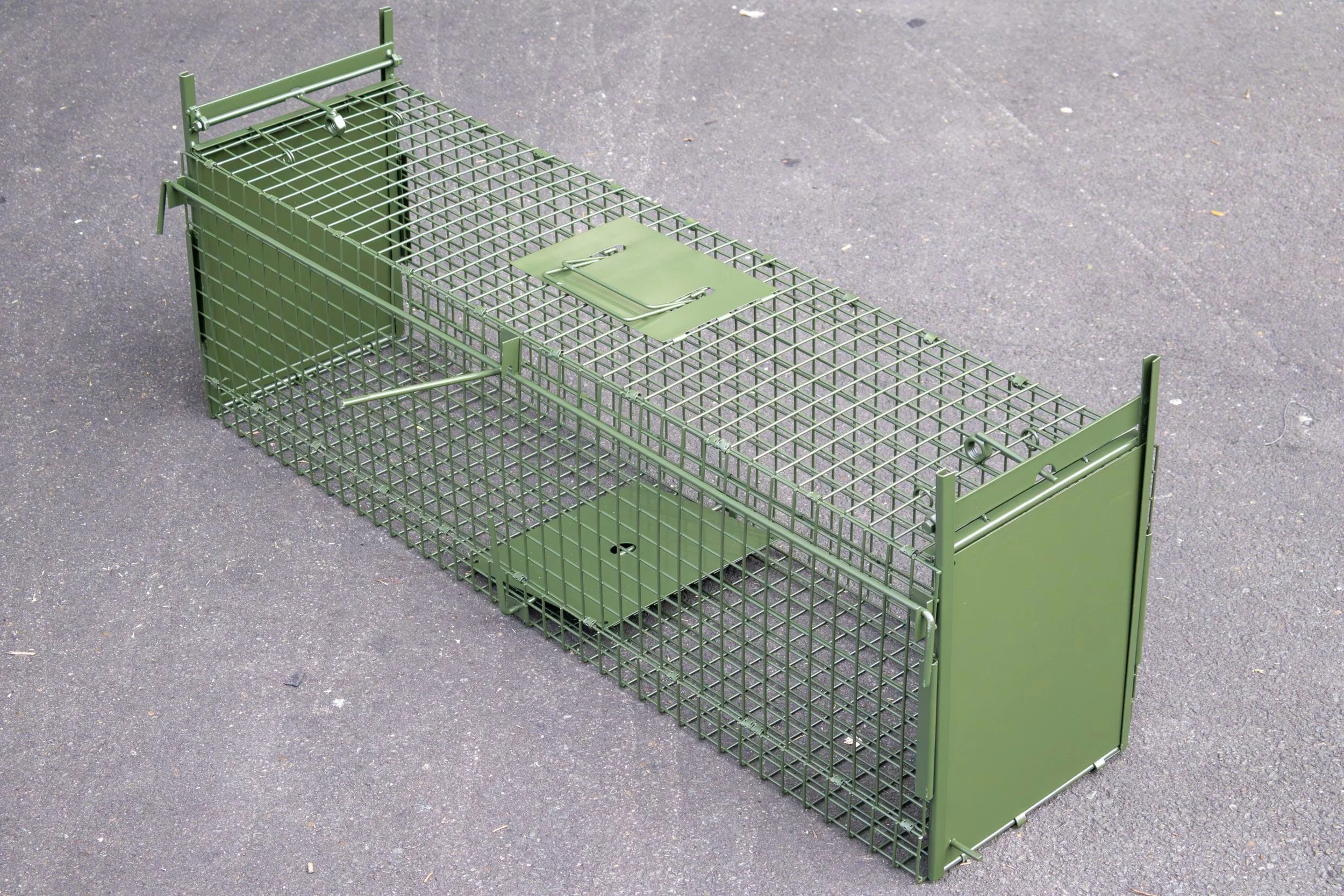
A collapsible, double-ended live-capture cage. The two entry doors let animals see a clear way through, which makes them far more willing to walk in. That's why it works so well on cautious, trap-shy individuals that avoid conventional single-door traps. It's designed mainly for feral cats, but it also catches possums, rats, ferrets and stoats. Its small mesh and robust door locks hold animals securely and humanely until you arrive.
How to use it
Some light assembly is needed before use. Follow the setup video below.
Place it directly on trails, tracks or run-lines that pests already use. When an animal steps on the trigger plate, both doors close together.
Hang the lure from the top mesh with a wire hook, about 8 to 10cm above the trigger plate. This draws the animal's eyes upward and encourages it to step further in. It also keeps the lure cleaner and reduces ant access.
Good lures include fresh or dried rabbit, bacon, chicken and sardines.
Check every day. Live capture traps must be inspected within 12 hours after sunrise on every day they're set.
If you catch a pet cat, release it unharmed. If you catch a cat you think is feral, take it to a vet or the SPCA.
Keep the trigger mechanism working, refresh the lure often and clean the cage when needed. It folds flat for easy carrying and cleaning.
Resources:
Supplier: Connovation
Tunnel Rat Traps TREX
Best for: Rats and mice
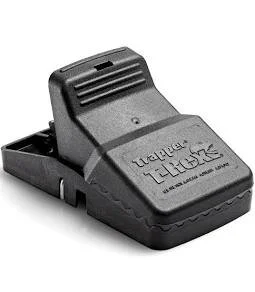
A T-Rex snap trap housed in a long wooden tunnel box. The T-Rex is affordable and easy to use, and the box keeps it safe for children and pets. It targets rats and mice, sets easily by hand or foot, and has a removable bait cup so you can re-bait without setting it off. It's a great fit for sheds, woodpiles, compost bins, orchards and farm buildings.
How to use it
Always wear gloves when handling the trap or catches.
Twist the bait cup on the underside to the left to unlock it, fill it, then twist it right to lock it back in. Peanut butter, chocolate, nuts or mayonnaise all work. Refresh the bait often and remove any that has gone off.
To set the trap, squeeze the back end until it clicks and the jaws stay open. Then slide it, bait-end first, into the tunnel. Keep your fingers away from the jaws.
Set it as far from the tunnel entrance as possible.
Put the tunnel in a stable spot near rat hotspots like compost bins and woodpiles.
Check every couple of days at first, then every two to three weeks once catch rates drop.
To release a catch, squeeze the back end to open the jaws. Log catches on the Trap.NZ app.
If it isn't catching
Trigger sensitivity can't be adjusted on a T-Rex. If bait keeps disappearing without the trap firing, you're usually using too much bait in the cup.
Mice or insects may be eating the bait. A mouse trap set behind the T-Rex can catch them.
Rats are wary of new food. Try leaving the trap baited but unset for a few days, and put some free bait at the entrance.
Move the trap to a new spot if nothing turns up.
Resources:
Supplier: The Pa
Keen to get trapping?
Get your library card
Pop your details into our form and we will be in touch as soon as the Trap Library is ready to launch. Tell us what you are hoping to catch and we'll help you choose the right trap.
Your backyard could be a predator’s worst day
Stoats, rats, hedgehogs, ferrets, possums and feral cats take a toll on our native birds, lizards, bats and insects. They also damage our wetlands and bush we are working to restore. Every predator caught helps our natives hold on and our plantings thrive.
Our Trap Library makes it easy to get involved. From October 2026, members will be able to borrow traps for free, so cost is never the reason a trap doesn't go out.
How it will work
1. Book. Tell us where you'd like to trap and what you're aiming to catch. We'll help you choose the right trap for the job.
2. Borrow. Pick up your traps for three months. If demand allows, you can renew.
3. Check and clear. Visit your traps at least twice a month. Regular checks keep traps working and catches humane.
4. Record. Log your traps and catches on the Trap.NZ app. Your data shows us what's working and adds to the wider picture of predator control across the catchment. Records can also be emailed to pest@karamucollective.nz and we can record on your behalf.
5. Return. Bring your traps back clean, as directed by Alice, so the next person can put them straight to work.
Whats in the Trap Library? Free traps to borrow
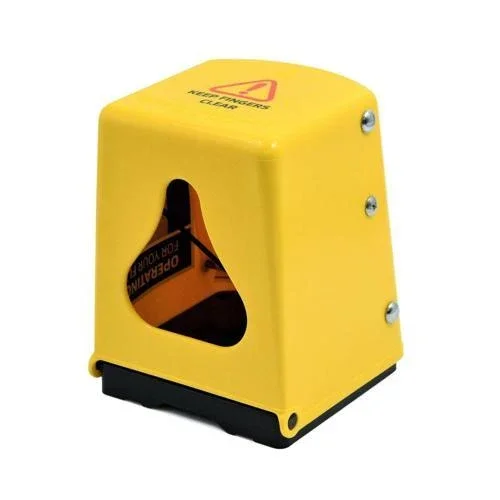
Whether you're a first-timer with a few rats in the woodshed or a seasoned trapper chasing stoats along a waterway, we have a trap for you. Our five traps cover everything from possums in the shelterbelt to feral cats on the prowl. Every one is free to borrow and comes with Predator Free NZ how-to videos and setup tips, so you can start with confidence. Not sure which suits your patch? Email info@karamucollective.nz and we'll point you in the right direction. Traps on offer are:
Flipping Timmy
AT220
DOC200
Tunnell Rat Traps T-REX
Live Cat Trap Tunnel
Flipping Timmy
Best for: Possums
A tree-mounted possum trap that sits at a comfortable height, so there's no bending over and no mess on the ground. It's easy to use and designed for all ages and abilities. It's been independently tested and meets NAWAC humane guidelines for possums.
How to use it
Fix it to a tree or post, in full view, and always wear gloves when handling the trap or catches.
A slice of apple works as bait, and you can smear icing sugar or lure paste beneath the trap as a visual lure.
A ramp at 45 to 50 degrees, with a 30 to 40cm gap below the trap, helps possums reach the entrance.
If bait is disappearing but the trap isn't firing, adjust its sensitivity. Rats may be stealing the bait, so put a rat trap nearby, at least five metres away.
Keep it clean, since clean traps catch best, and loosen the mounting screws about once a year to allow for tree growth
Resources:
Supplier: EnviroTools