Project
Karamu Trap Library
Connecting people, Traps and Data to drive collective predator control
At a glance
-
Whole catchment
-
Karamū Collective
-
In development
-
TrapNZ and GroundTruth
-
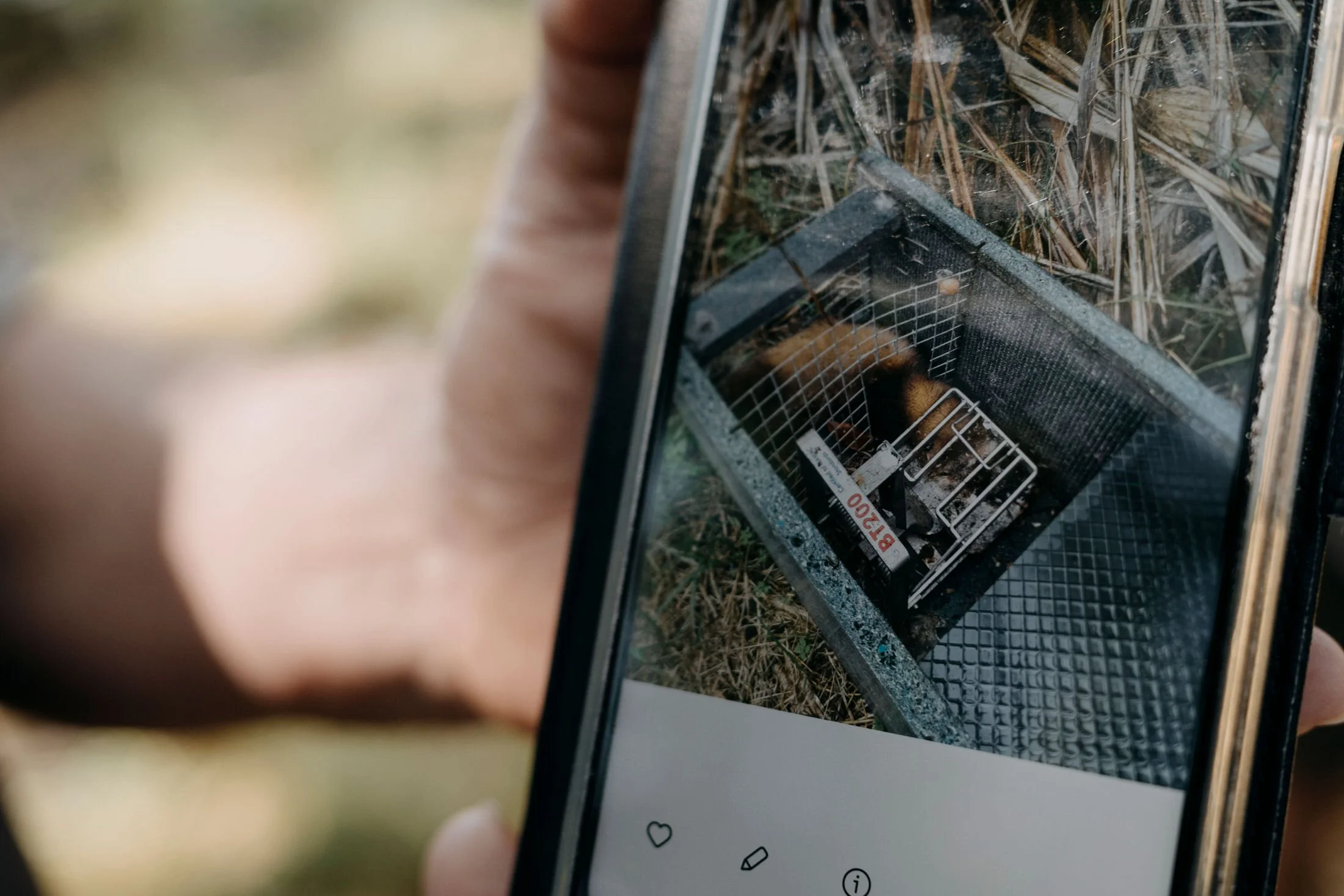
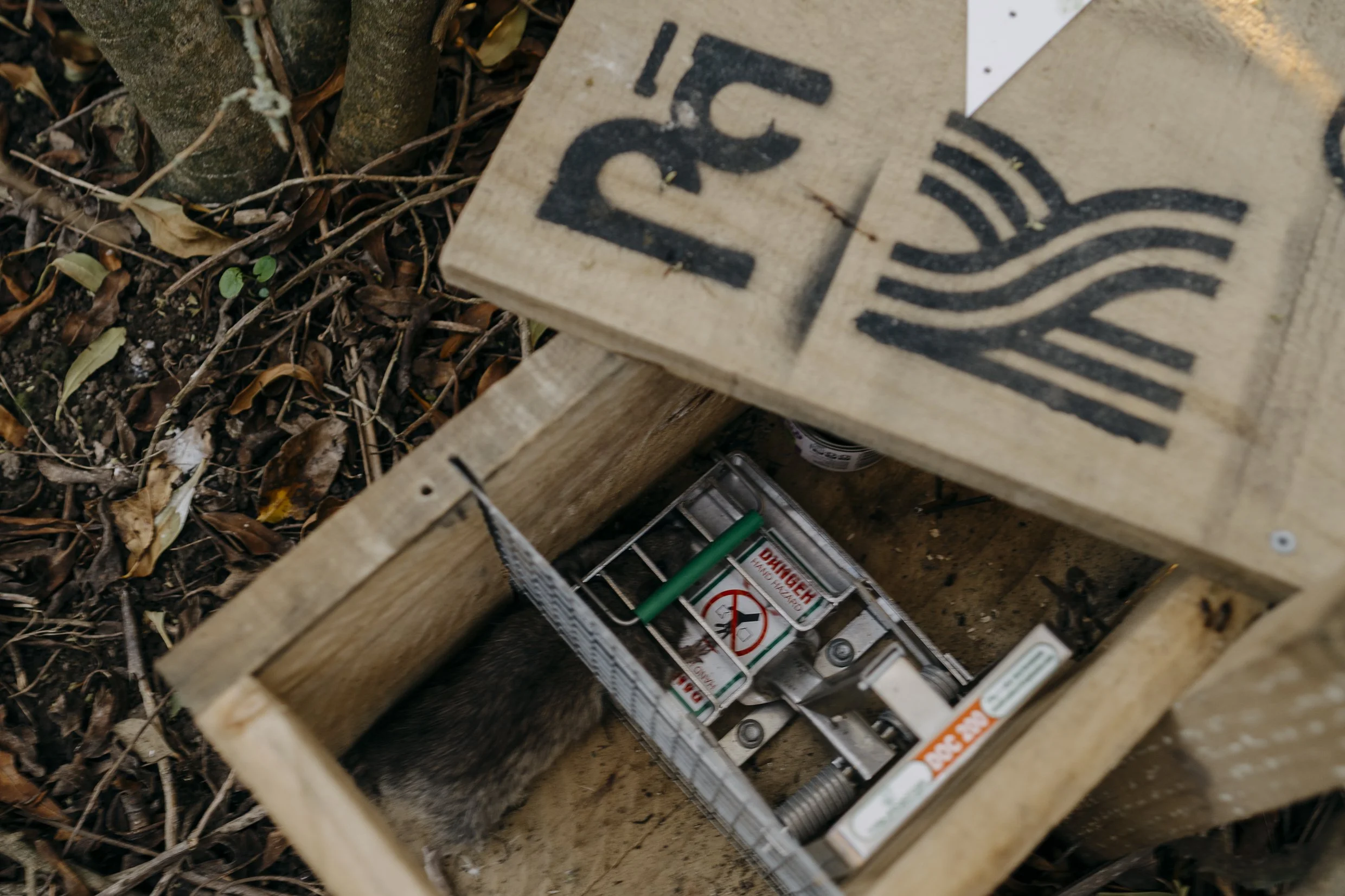
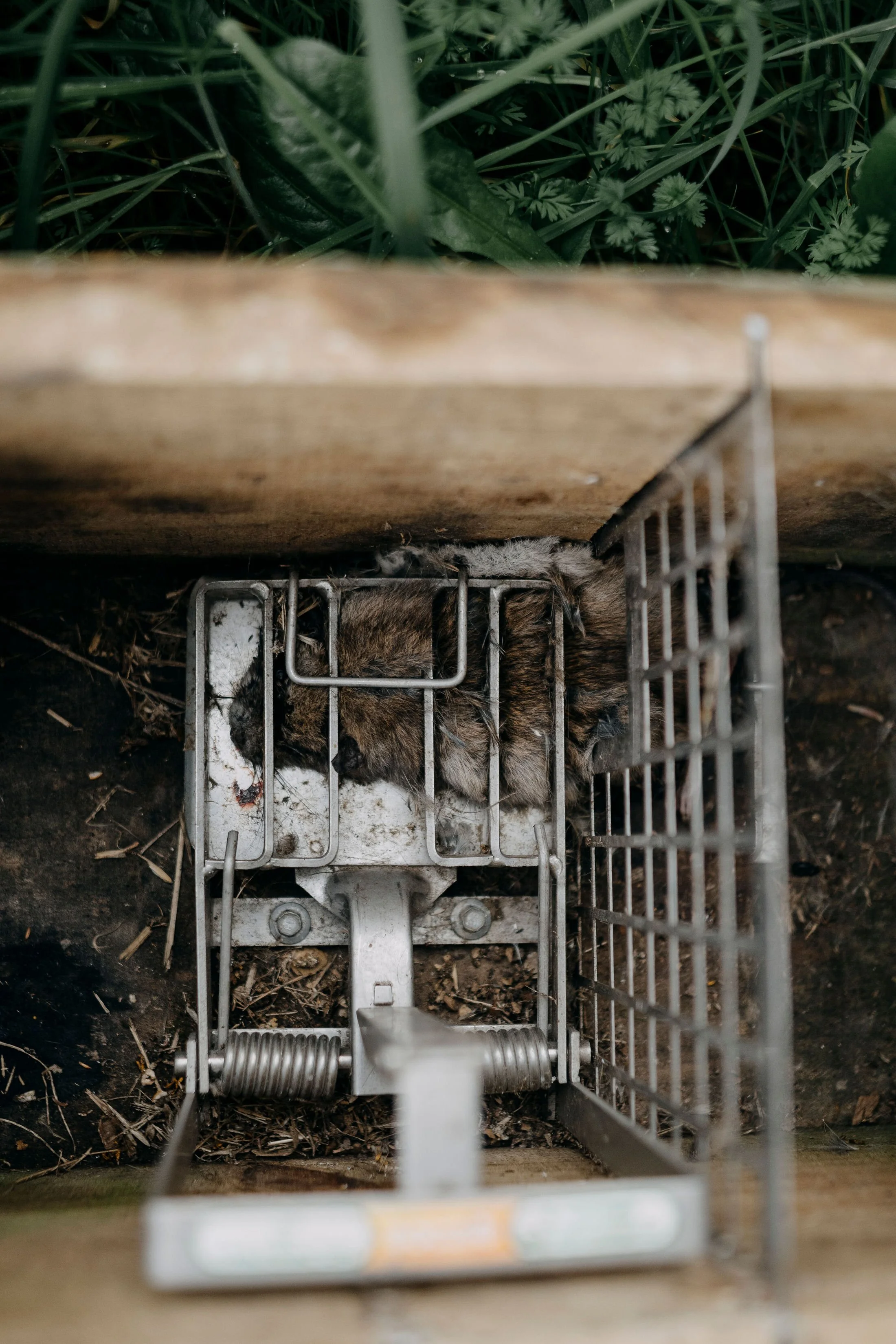
Predator control is already happening across the Karamū catchment, with landowners, community groups and volunteers independently managing traps and other predator control initiatives. However, these efforts are not currently connected through a single catchment wide network, making it difficult to see where control is happening, where gaps exist, and what collective impact is being achieved.
Without a coordinated view, opportunities to support existing projects, connect volunteers, encourage new participation and direct resources towards priority areas can be missed.
There is also no consistent catchment level picture of trapping activity and outcomes that can demonstrate the scale and value of community led predator control.
-
The Karamū catchment provides habitat for threatened native species including the nationally critical Australasian bittern and nationally vulnerable long-tailed bat. Introduced predatorsare a threat to these and many other native birds, reptiles and invertebrates.
Connecting existing predator control efforts will help build a more coordinated approach across the catchment, while supporting the people already doing the work.
A shared network will also create a clearer picture of where predator control is occurring, where further action could make a difference, and a view on what neighbouring efforts look like.
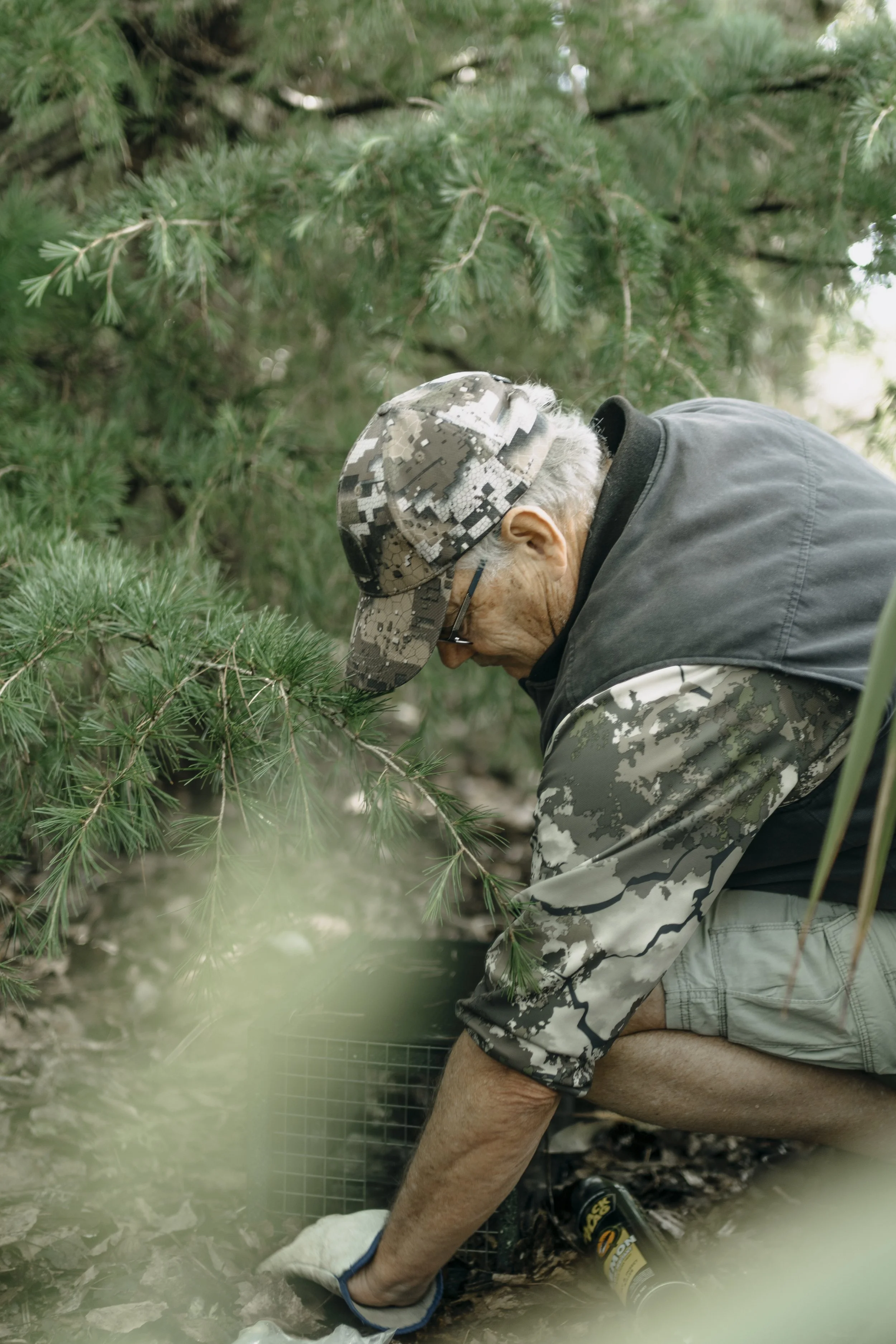
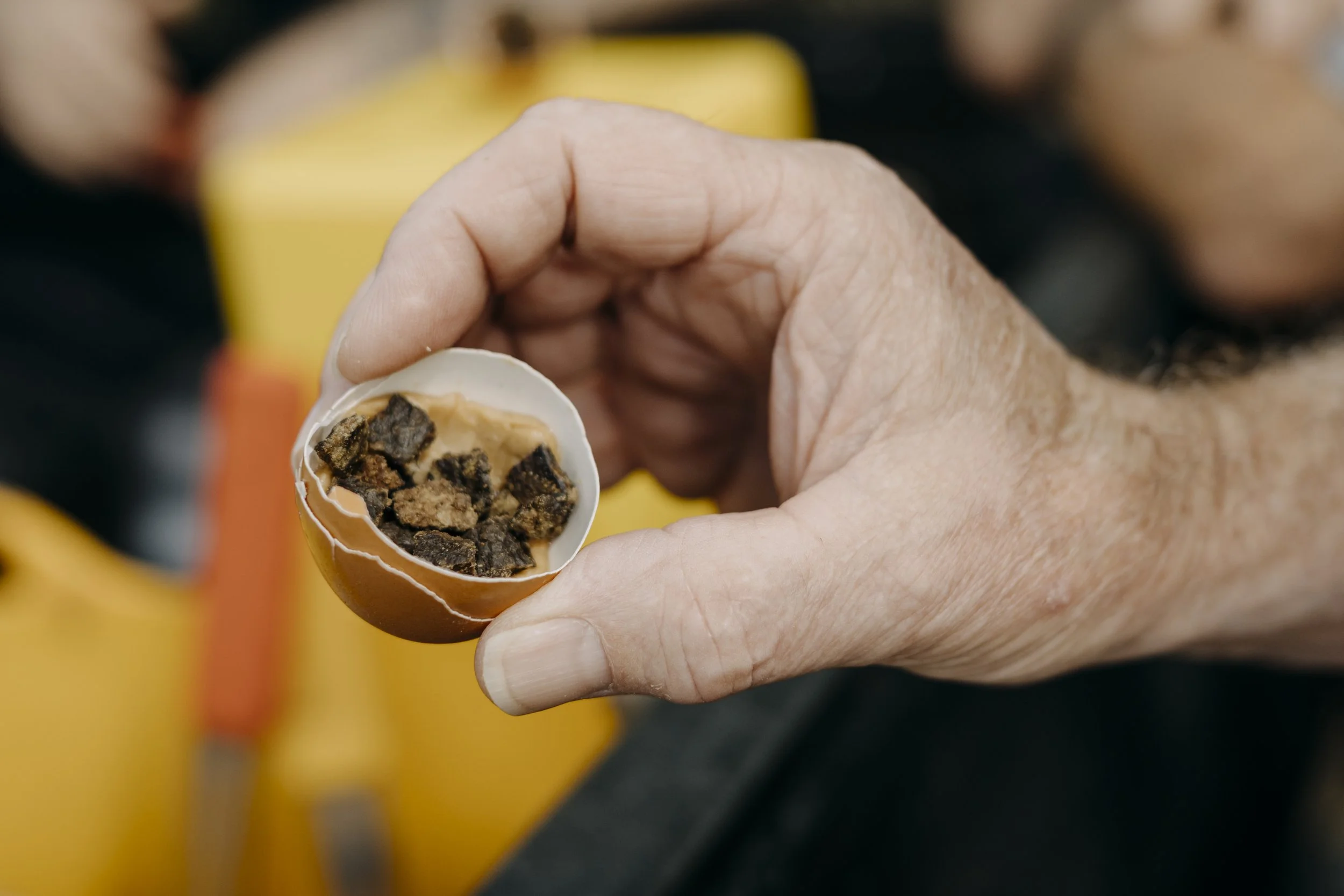
Trapping is also a fun way for people to participate in environmental restoration, connect with nature and contribute to the health of their local environment.
-
Karamū Collective is developing the Toward Predator Free Karamū network, connecting existing independent trapping projects into a coordinated, catchment wide programme through Trap.NZ.
The project will:
Map existing predator control projects across the full Karamū catchment.
Identify areas where predator control is already active and where gaps exist.
Connect existing projects and offer practical support where needed.
Encourage new landowners, volunteers and community groups to participate.
Develop catchment-level reporting to show collective trapping activity and outcomes.
Build a stronger evidence base for future predator control funding and expansion.
The first stage will involve developing a dedicated Trap.NZ platform for our catchment including data rich maps, project dashboards and catchment level reports.
The second stage will focus on connecting with individual projects, understanding what each group or landowner needs, and identifying how Karamū Collective can support them.
-
Building the catchment picture
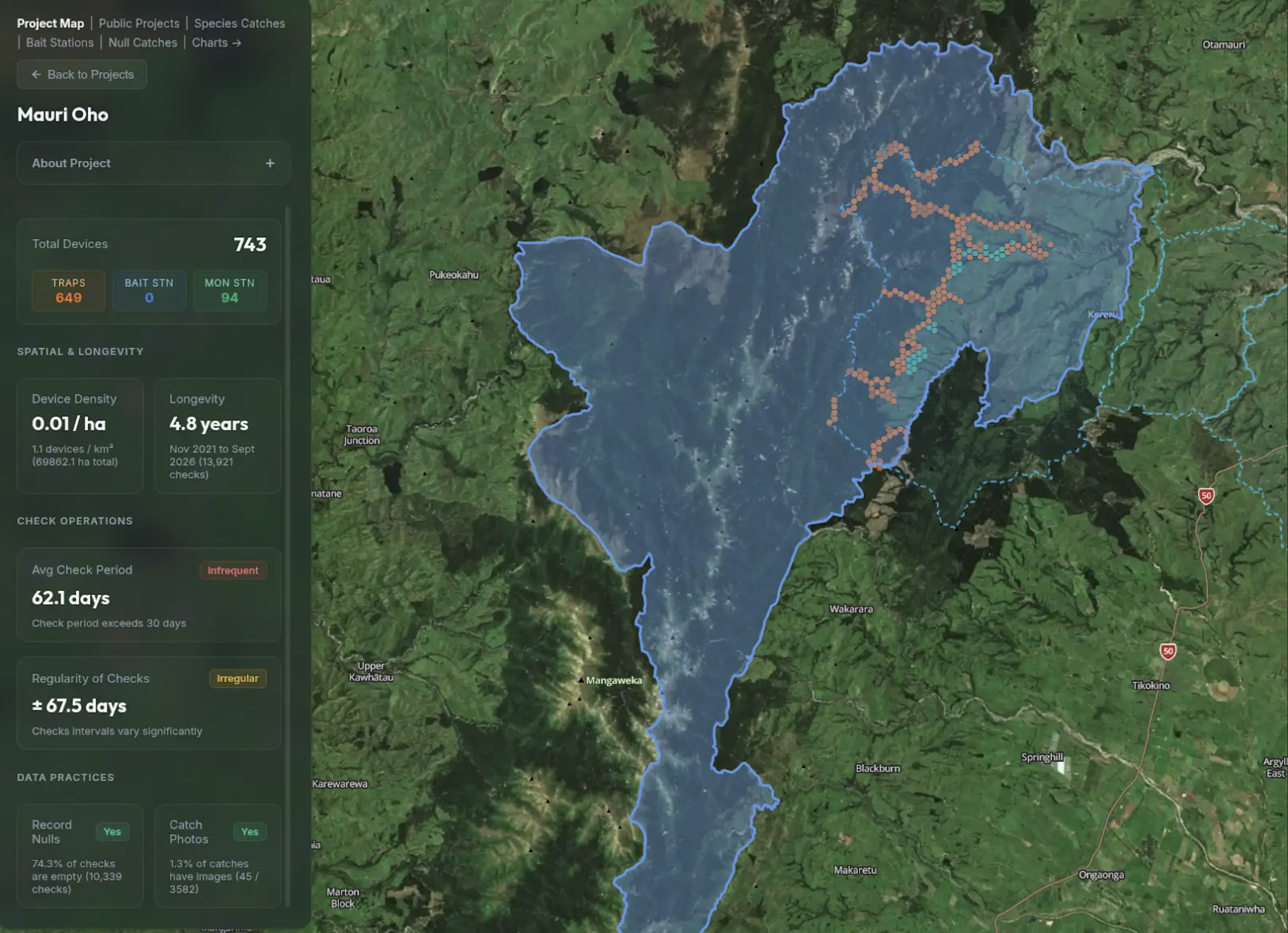
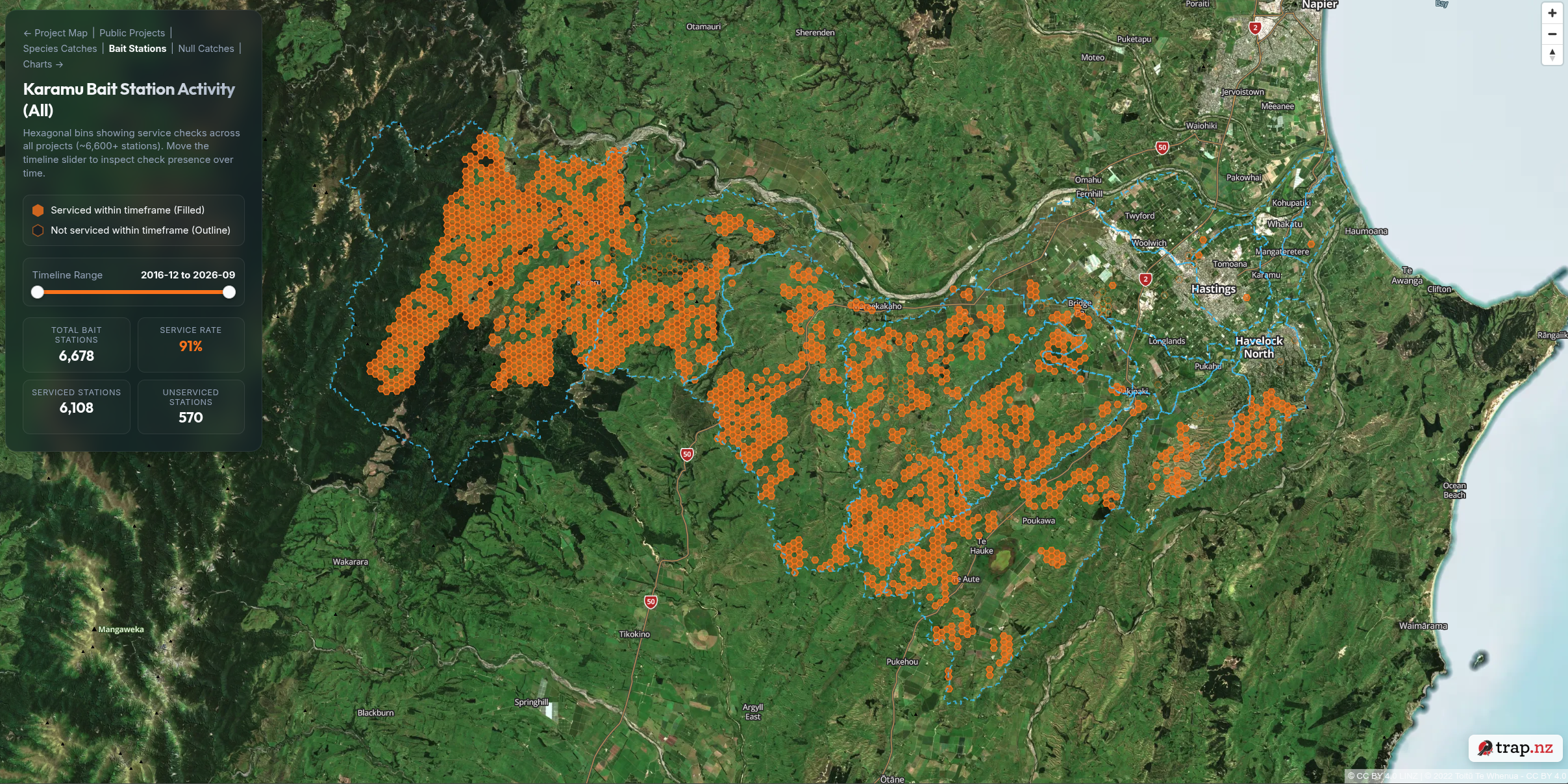
Trap.NZ will be developed to bring existing predator control activity together in one catchment-wide view. Interactive maps will show the location of projects, traps, bait stations and monitoring devices.
A project dashboard will provide information on the activity and data quality of individual projects, including project duration, device density, service frequency and volunteer effort.
At the catchment level, additional maps and reports will show:
Total predator control projects
Total traps and devices
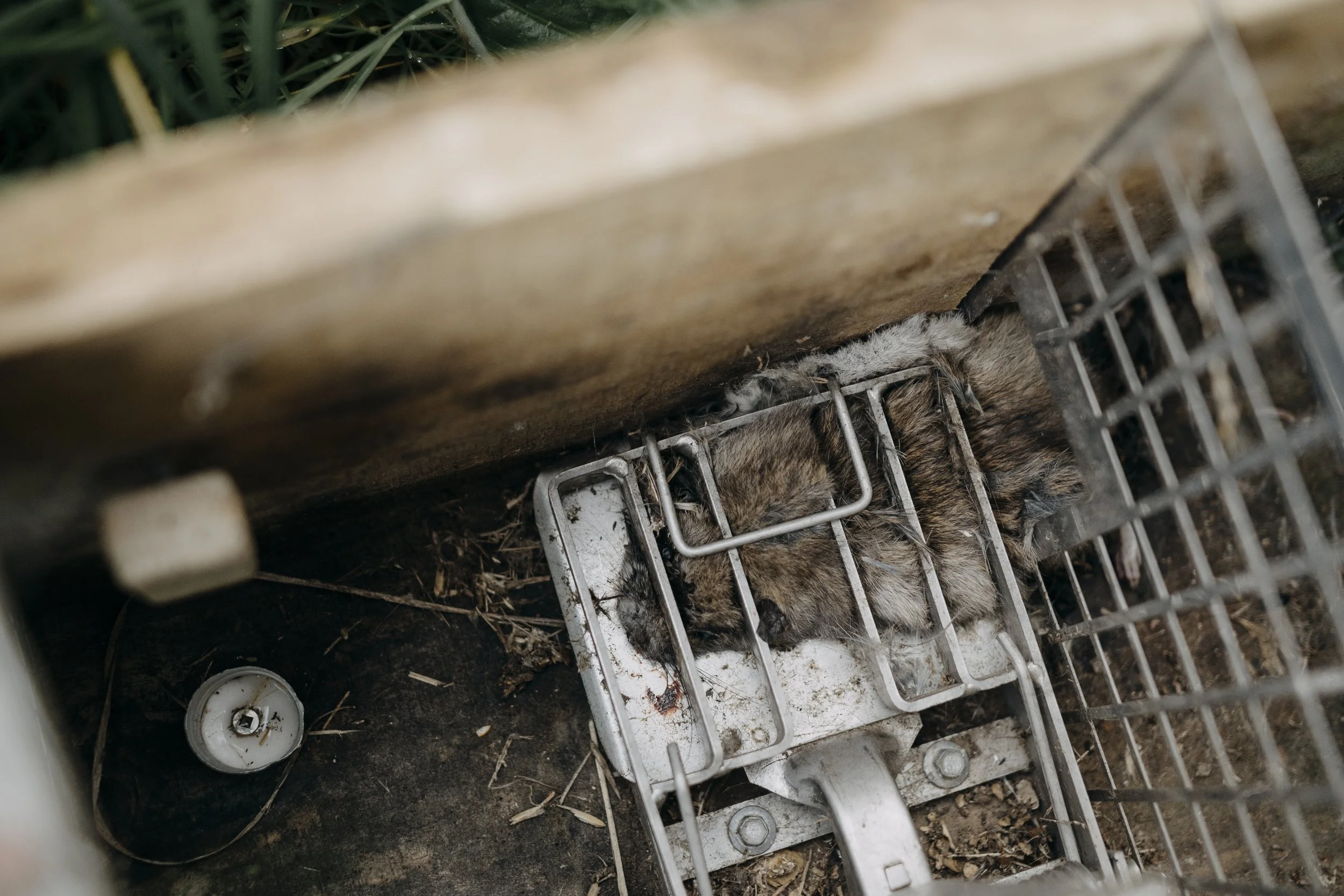
Species caught and total catches
Predator control hotspots
Areas with limited or no trapping activity
Inactive projects
Collective volunteer effort and project activity
Connecting and supporting projects
KRCC will make contact with existing trapping projects across the catchment to introduce the network, check in on their progress and understand what support they need.
This could include helping projects use Trap.NZ, connecting groups with resources or volunteers, identifying opportunities for expansion, and supporting projects to become part of the wider catchment network.
Measuring Collective Action
Monthly catchment wide reporting will provide an ongoing picture of predator control activity and outcomes. This will allow us, and participating projects to see how individual efforts contribute to a larger catchment wide programme, while building evidence to support future investment.
-
Success will be a connected predator control network spanning the Karamū catchment, with existing projects visible, supported and contributing to a shared picture of predator control activity.
Over time, the network will help KRCC identify priority areas for new trapping, increase participation, strengthen existing projects and demonstrate the collective contribution being made by landowners, volunteers and community groups.
The long-term vision is a predator-free Karamū catchment where native biodiversity can thrive through coordinated community action.
-
Trap.NZ
Platform development and catchment-level data, mapping and reporting.Landowners, community groups and volunteers
Existing and emerging predator control projects across the Karamū catchment.Karamū River Catchment Collective
Coordinating the network, connecting projects, identifying opportunities and supporting catchment-wide predator control.